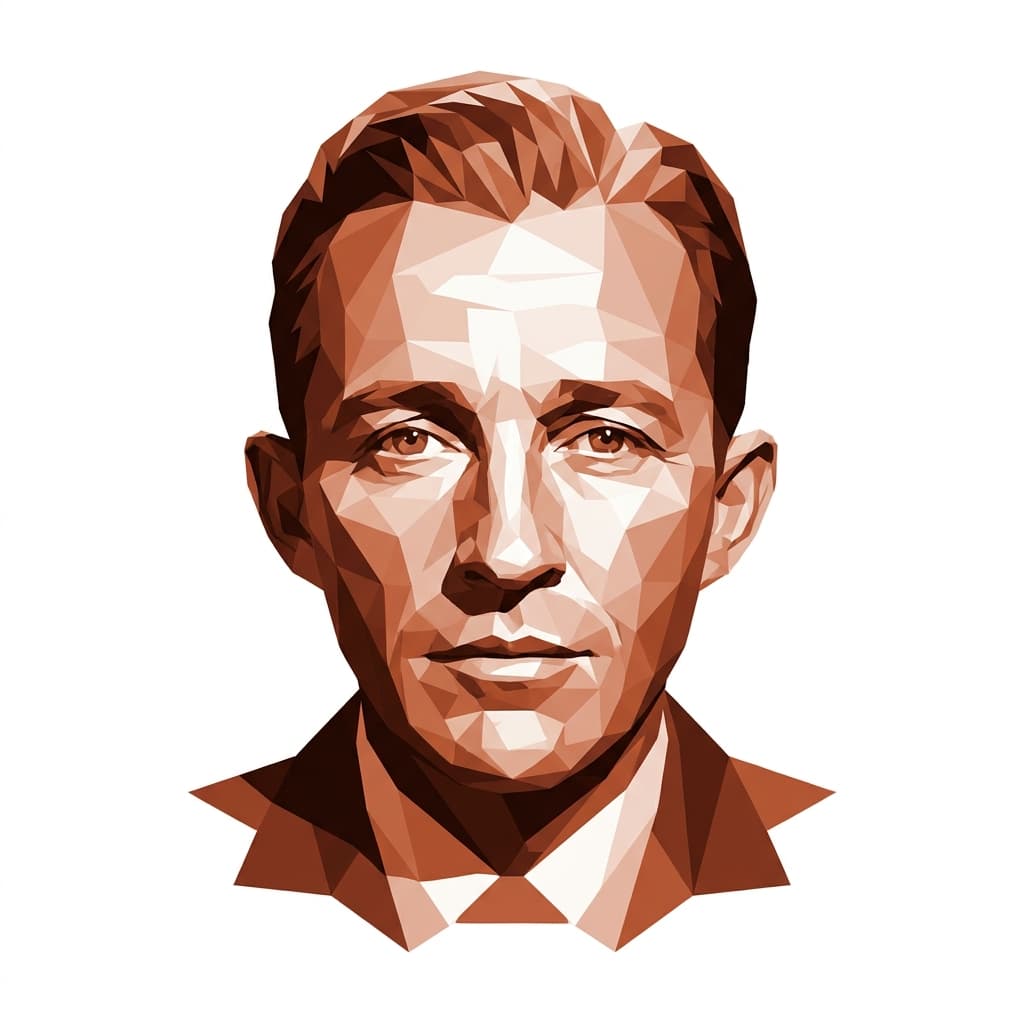
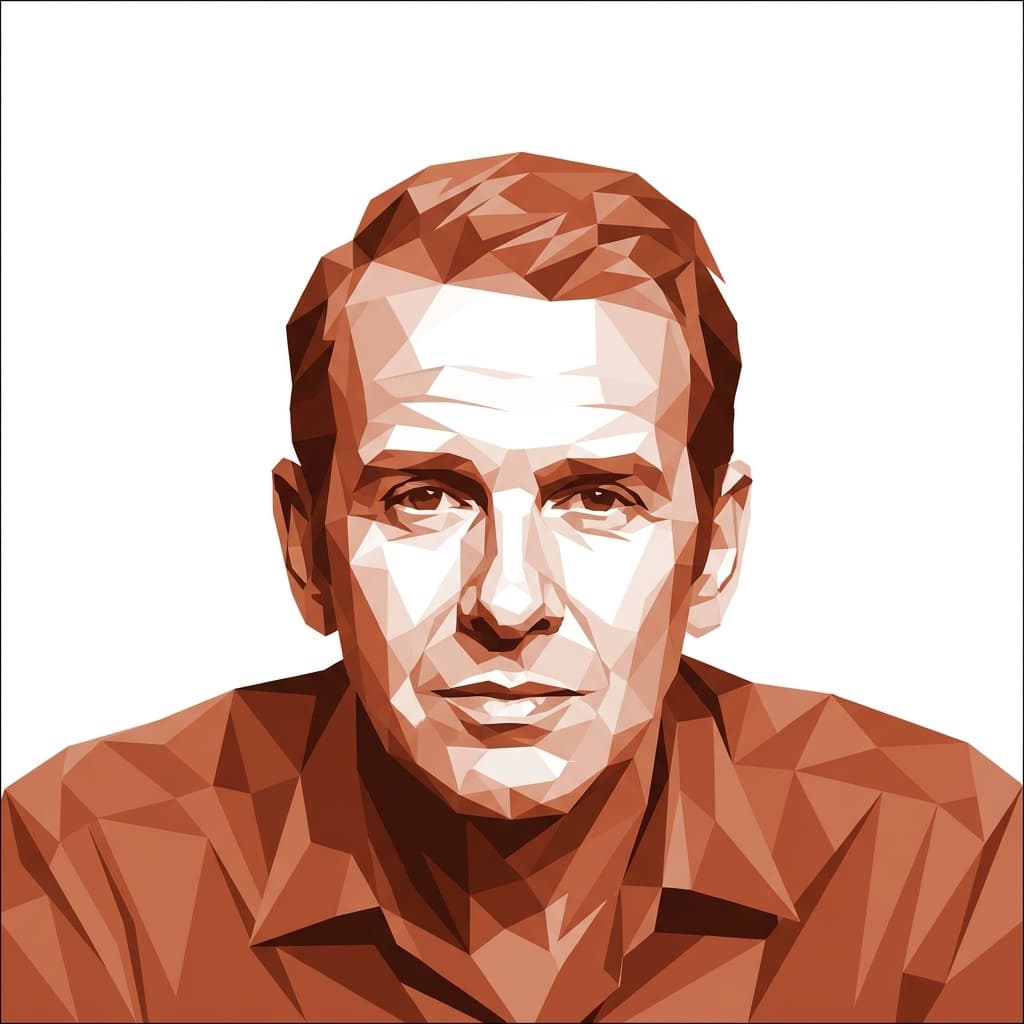
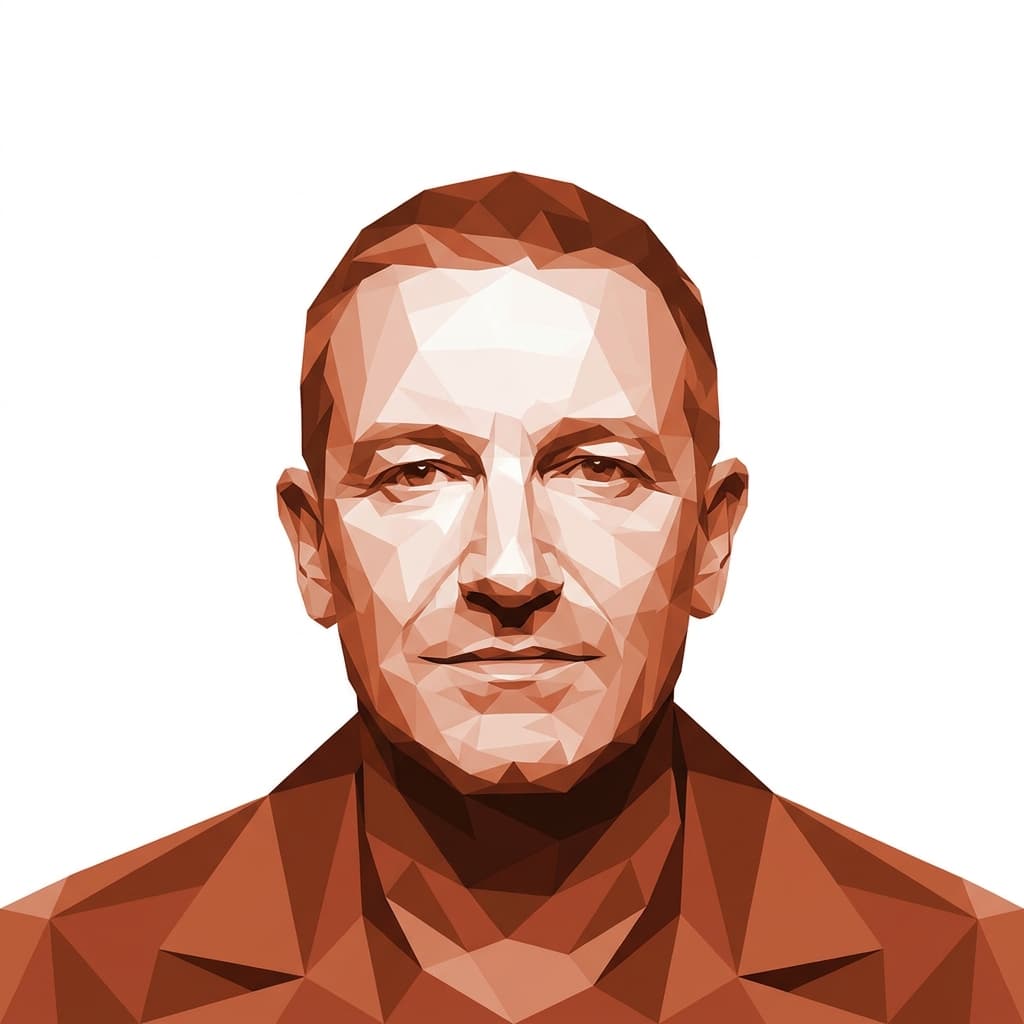
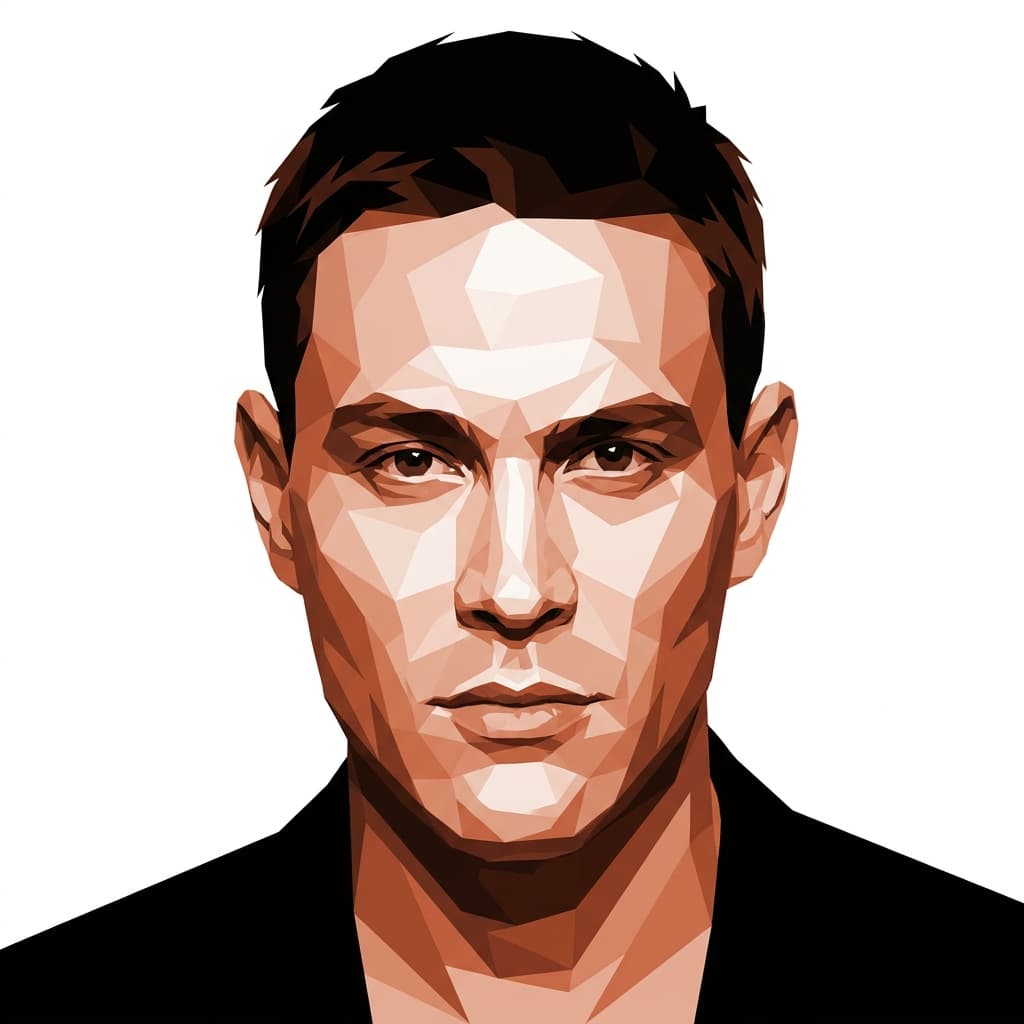
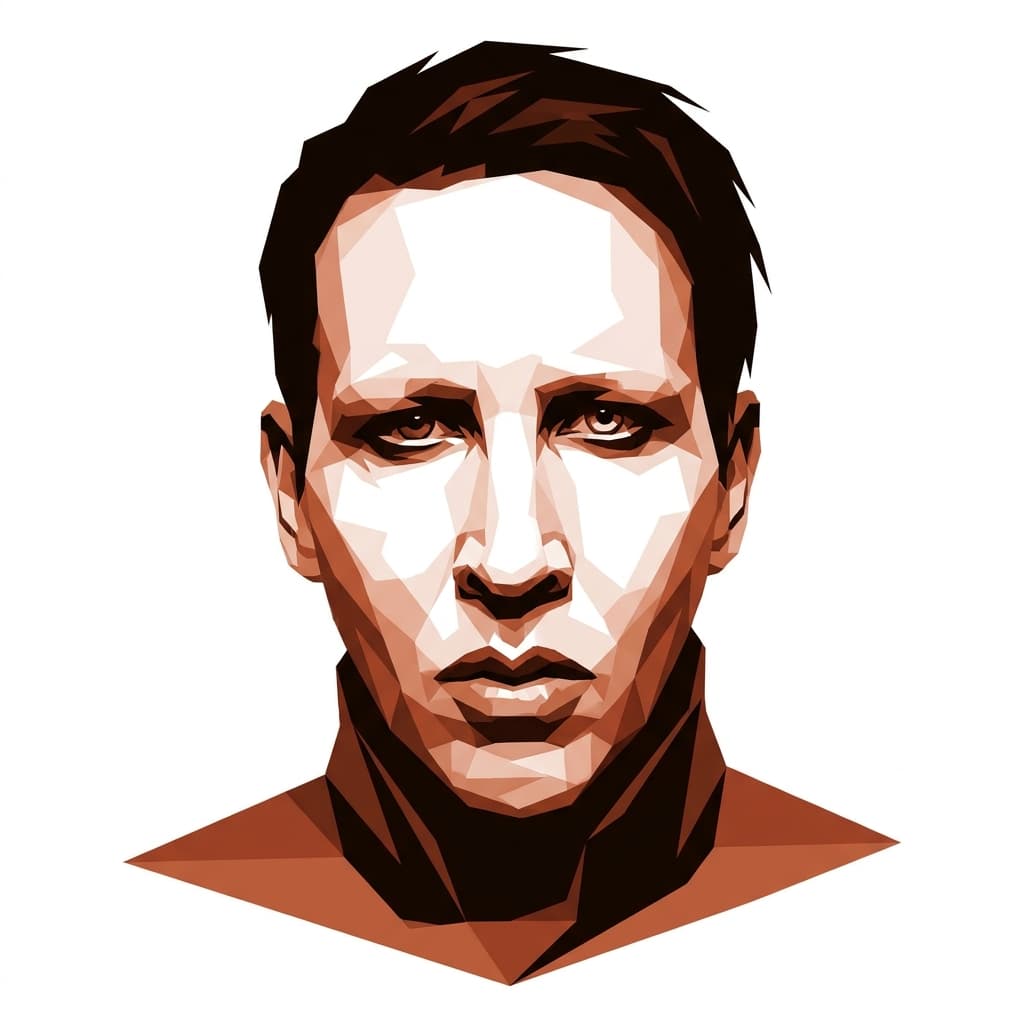
American shock rock musician, provocateur, and visual artist behind Antichrist Superstar and Mechanical Animals.
Design
- Q57.3
- h51.3
- R16.1
- g21.1
- i48.1
- S50.2
- T1.5
- U64.1
- V6.1
- W42.2
- X46.3
- Y14.1
- Z6.2
Personality
- Q54.1
- h53.1
- R33.4
- g25.6
- i46.6
- S41.1
- T55.2
- U28.3
- V18.2
- W51.5
- X18.1
- Y14.4
- Z6.3
Marilyn Manson — born Brian Hugh Warner in Canton, Ohio — is a Generator whose entire career runs on the fuel of doing the thing that lights him up, no matter how much it scandalizes the room. He built a persona by welding the name of a Hollywood sex symbol to the name of a mass murderer, then spent three decades using that persona to poke at American pieties. The energy underneath is deeply generative: album after album, tour after tour, painting after painting, a body of work made by someone with the stamina to keep going.
He was a music journalist in Fort Lauderdale before he was a rock star, interviewing the bands he wanted to be in until Trent Reznor eventually signed him. That arc — reporter, observer, then participant — is very 1/3 profile: investigate the foundation, then learn the rest by getting bloody in the experiment. Portrait of an American Family flopped, Smells Like Children caught fire on a Eurythmics cover, and by Antichrist Superstar he had figured out through pure trial and error what actually landed as cultural provocation versus what just looked like costume.
Antichrist Superstar in 1996 was the record where the concept clicked. He shaved his eyebrows, wore one contact lens, and constructed a full mythology of a worm becoming a messianic dictator — an act of pure originality staged as spectacle that made him the most-protested musician in America. Two years later Mechanical Animals arrived in a completely different skin: glam, androgynous, red-haired, alien. That reinvention was the kind of restlessness that needs a new form every cycle, and it separated him from the shock-rock peers who stayed frozen in one look.
After Columbine, when politicians and pundits blamed his music for the shooting, he did the counter-intuitive thing: he sat down with Michael Moore in Bowling for Columbine and answered quietly. Asked what he'd say to the kids, he said he'd listen — an unexpectedly composed answer from someone the country had cast as a monster. He'd been wrestling publicly with what was actually worth fighting for his whole career, and that moment showed the difference between the persona and the person underneath it.
He runs his projects with tight control — writing, art-directing, producing, painting the watercolors that accompany the records — and has cycled through band members with a bluntness that comes from gut-level yeses and gut-level nos with no committee vote. The pattern only works when he waits for the material to actually move him; when he chases a moment instead of letting the next record show up and pull him in, the results feel forced, and he seems to know it.
The last decade has been harder — the Evan Rachel Wood allegations and multiple lawsuits reframed a great deal of the mythology, and the shock aesthetic that read as transgression in the nineties reads differently now. He kept recording (We Are Chaos, One Assassination Under God) and kept painting, still committed to seeing the long cycles through to whatever their end looks like. Whatever the verdict on the man, the through-line of the work is unmistakable: someone who built an identity out of refusing to look away from ugliness, for better and for worse.
Sources: biography · birth data
What do you and Marilyn Manson have in common?
Enter your birth details to find out