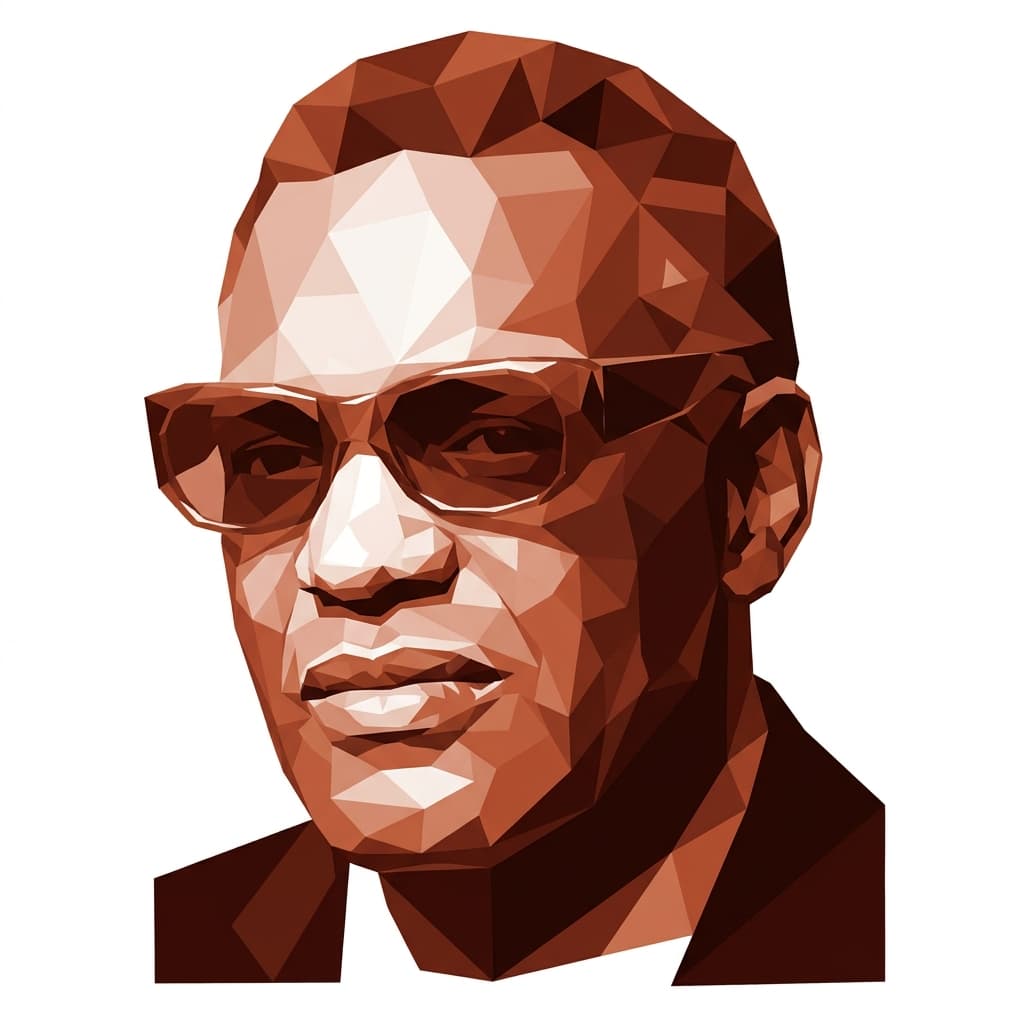
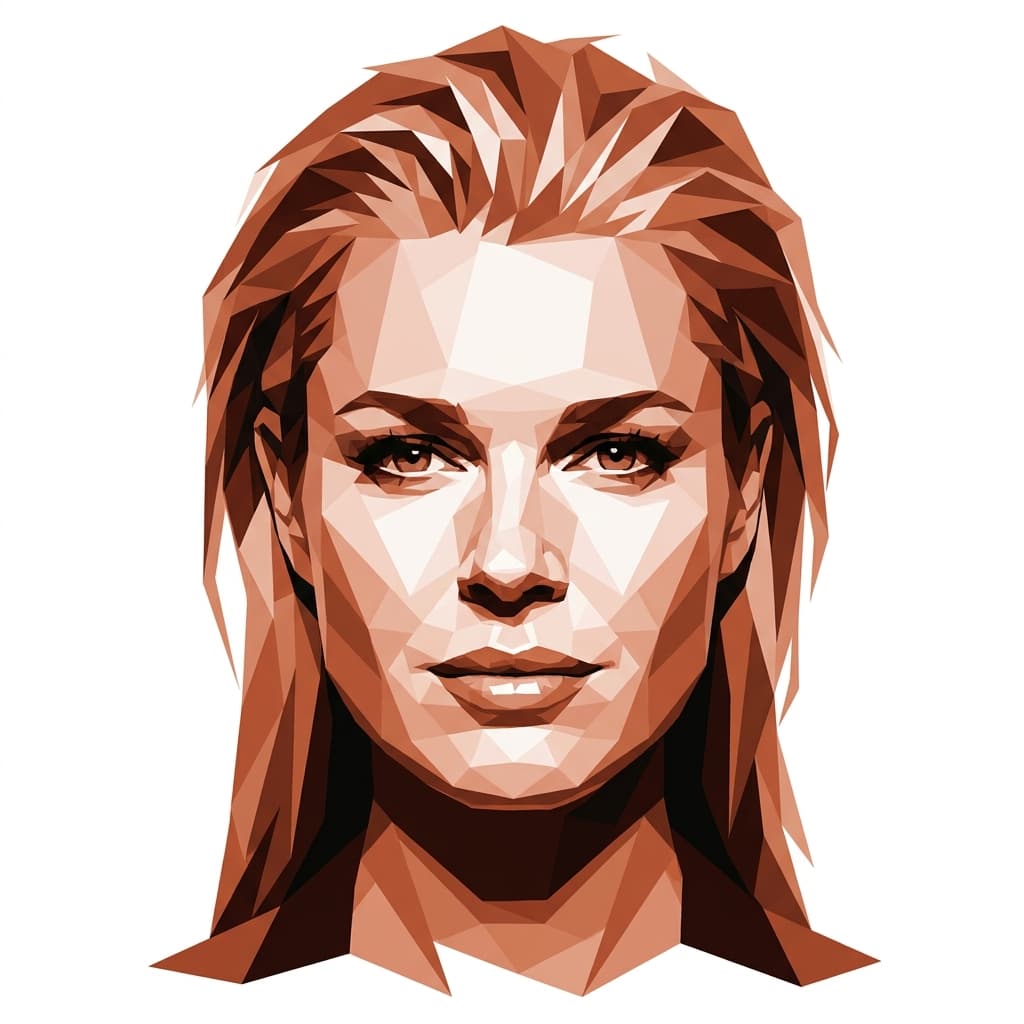
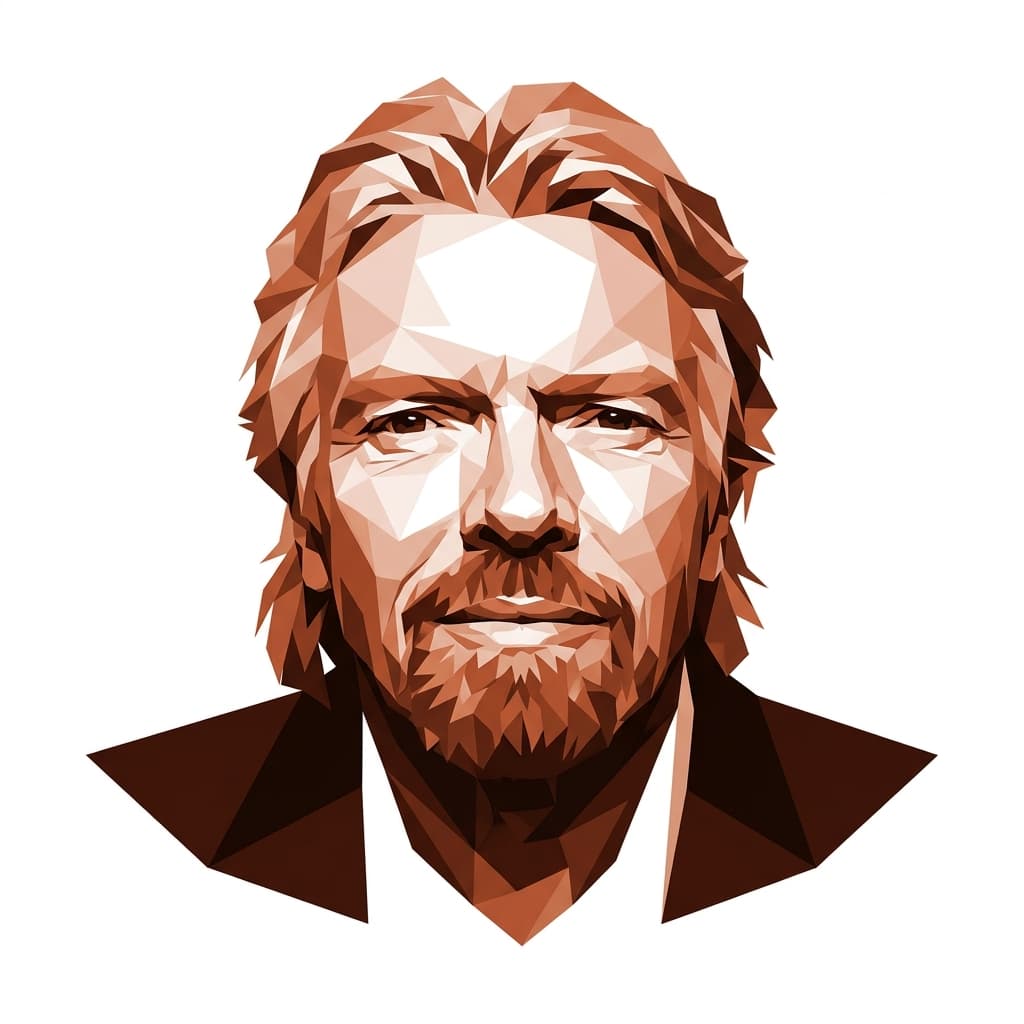
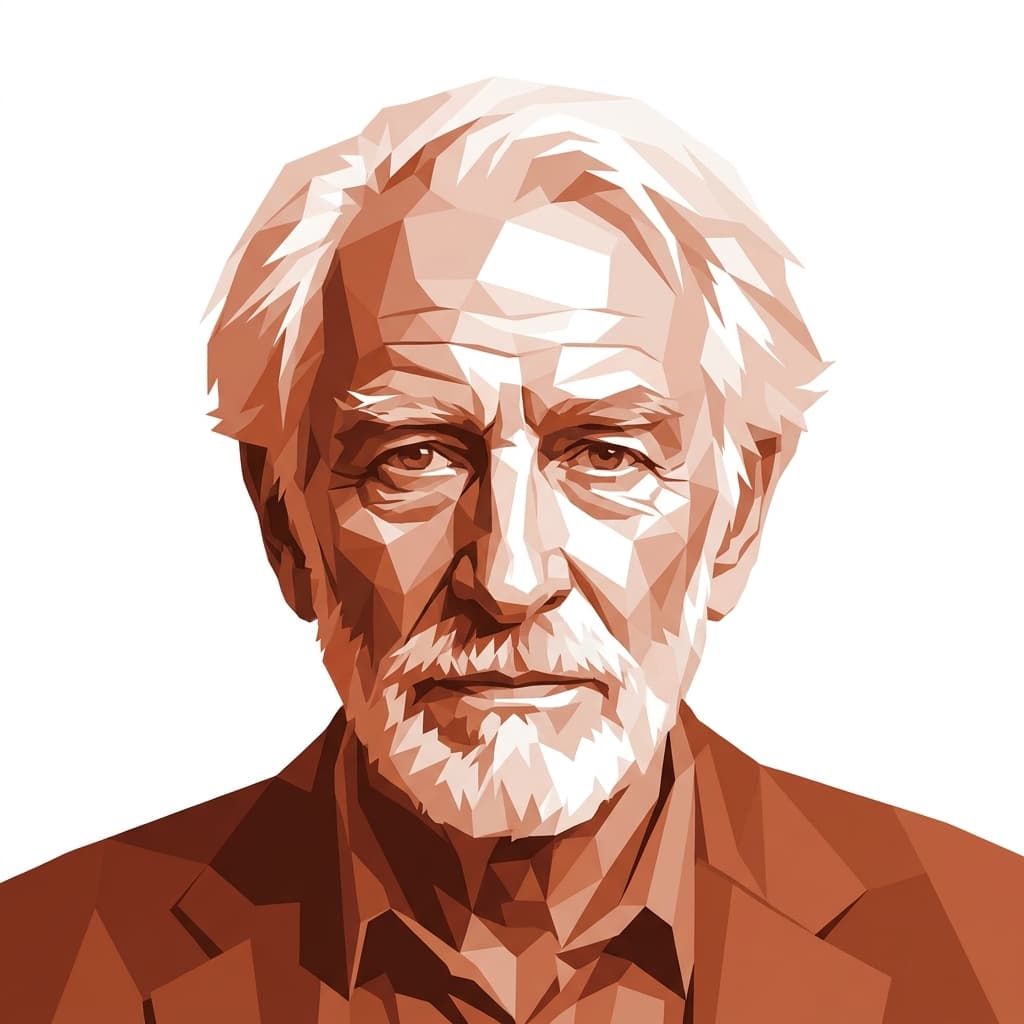
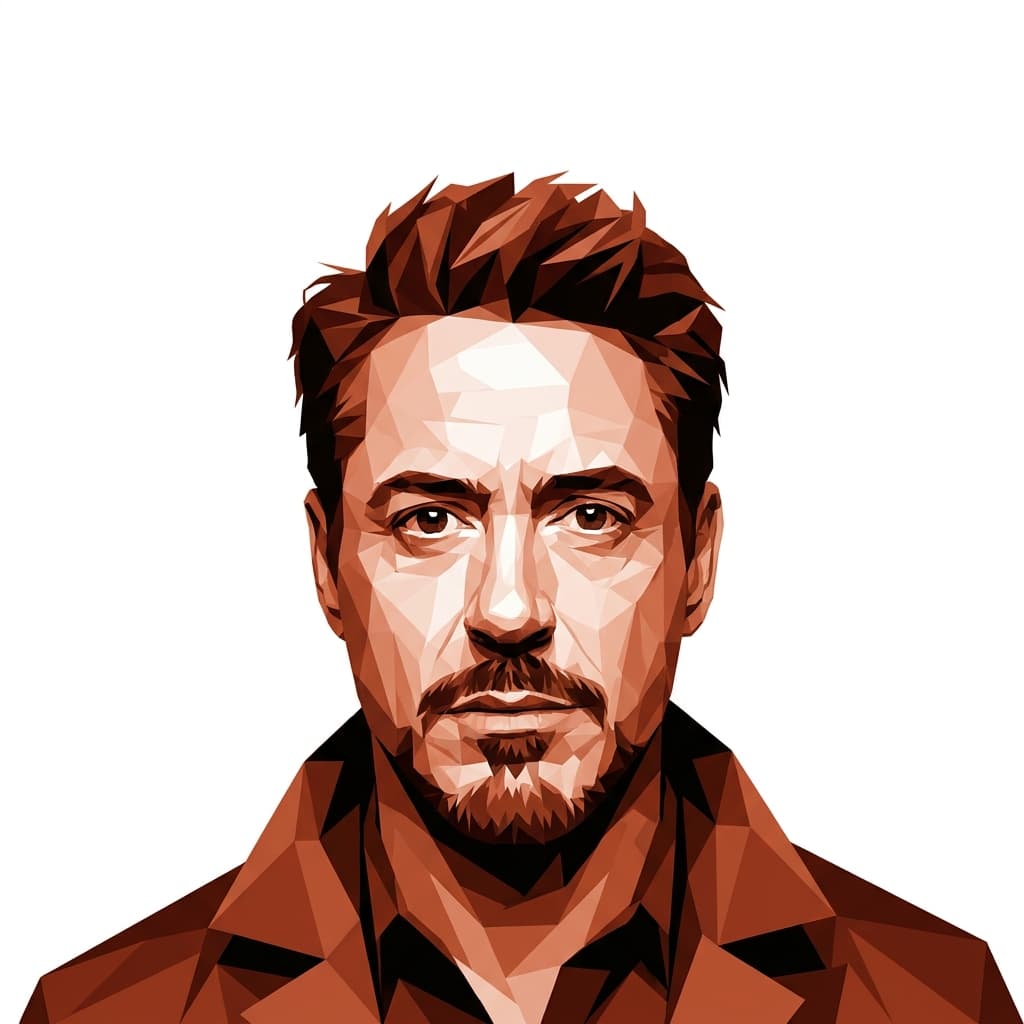
American actor and martial artist, son of Bruce Lee, best known for The Crow.
Design
- Q1.2
- h2.2
- R5.3
- g12.1
- i11.1
- S14.4
- T18.5
- U59.1
- V23.4
- W30.5
- X64.3
- Y1.5
- Z64.5
Personality
- Q19.6
- h33.6
- R19.4
- g45.6
- i26.6
- S60.1
- T61.5
- U6.6
- V2.4
- W55.5
- X64.3
- Y43.2
- Z64.5
Brandon Lee was a Generator — built with the deep, sustainable stamina to train, act, and refine a craft for years before it clicked publicly, and his short career carried exactly that texture of long apprenticeship and sudden readiness. Born in Oakland to Bruce Lee and Linda Emery, he grew up between Los Angeles and Hong Kong, and after his father's death in 1973 the family settled in Rolling Hills. He was expelled from Chadwick School just before graduation, drifted into Emerson College's theater program, and eventually studied acting at Lee Strasberg — a winding early path that fits a 6/2 profile's messy experimental first act.
He resisted the obvious move for a long time. Producers wanted him to be his father; he wanted to be an actor who happened to know martial arts, and the distinction mattered to him. His early credits — Kung Fu: The Movie (1986), the Hong Kong feature Legacy of Rage (1986), Laser Mission — were journeyman work in a genre he was trying to outgrow. He turned down bigger martial-arts vehicles that would have locked him in, waiting for the project that actually lit him up rather than accepting every offer that leveraged the surname.
Friends and directors described him as thoughtful, funny, and unusually deliberate about decisions — the kind of person who needed a day or three to know how he really felt about a script. He read voraciously, quoted poetry on set, and spoke openly in interviews about not wanting to be defined by his father's shadow. That instinct to step back, absorb, and only then commit shaped how he chose Showdown in Little Tokyo and Rapid Fire — the latter his first real Hollywood lead, taken specifically because it gave him space to build a character rather than perform choreography.
The Crow was the project that finally aligned everything. He connected immediately to Eric Draven's mix of grief, romance, and gothic revenge — a role that asked for emotional depth rather than tough-guy restraint and let him work in the register of longing and intensity that had always been more natural to him than action posturing. He'd just gotten engaged to Eliza Hutton, was talking publicly about wanting kids, and treated the film as the breakthrough that would let him step into his own voice as an actor. Alex Proyas later said Brandon brought a specificity to Draven that no rewrite could have produced.
On March 31, 1993, during a night shoot in Wilmington, North Carolina, a prop .44 Magnum discharged a bullet fragment lodged in its barrel from a previous scene. He was 28. The film was completed with doubles and digital compositing and released a year later, and the performance held — audiences responded to something quiet and specific underneath the makeup, the kind of understated presence that says only what needs saying.
His legacy is unusual: a small body of work, a single iconic role, and a durable influence on how Hollywood handles firearms on set. The wisdom of an unfinished life tends to be shaped by the people it leaves behind, and Brandon's — through Eliza Hutton's stewardship, through the Bruce and Brandon Lee Foundation — has been carried forward with unusual care.
Sources: biography · birth data
What do you and Brandon Lee have in common?
Enter your birth details to find out