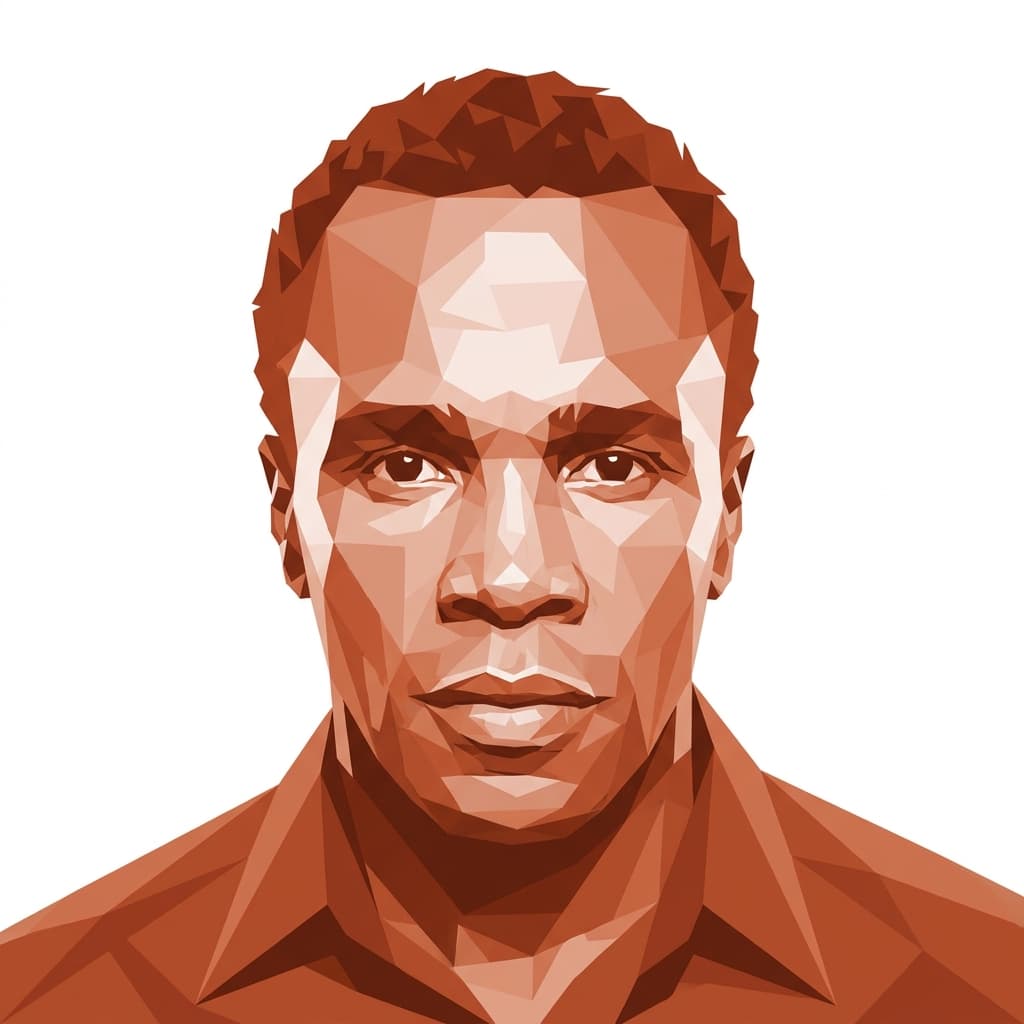
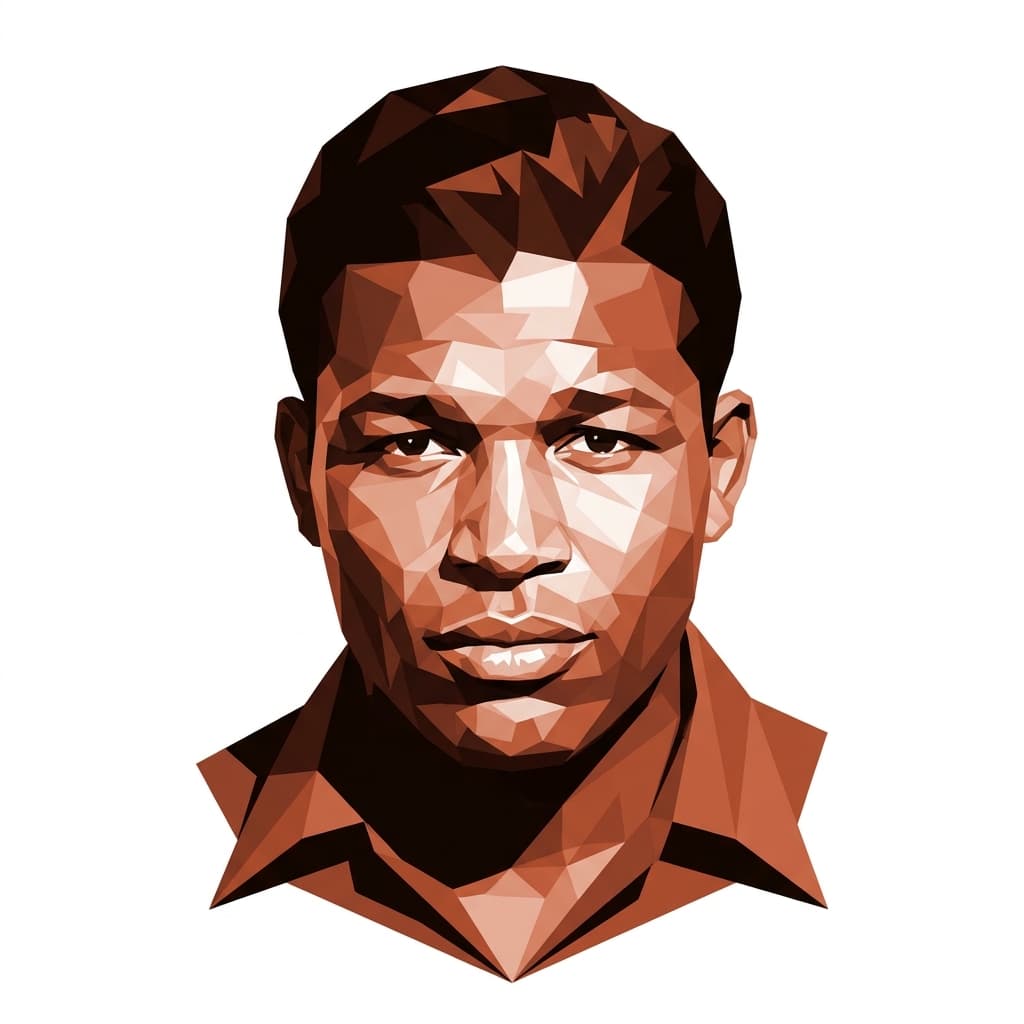
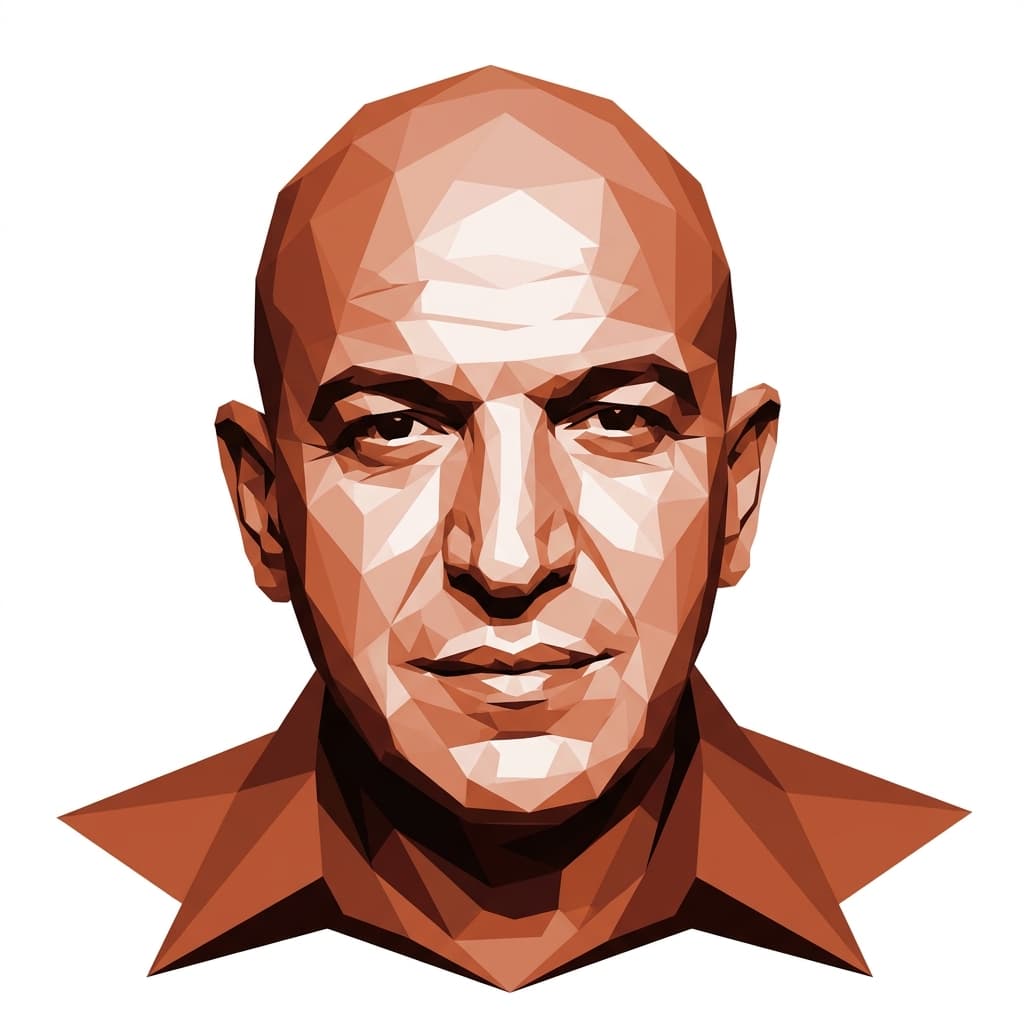
Irish rock frontman of U2, activist, and one of music's most recognizable voices and consciences.
Design
- Q49.3
- h4.3
- R31.1
- g6.3
- i36.3
- S55.4
- T54.4
- U61.1
- V11.5
- W38.5
- X4.1
- Y44.2
- Z59.6
Personality
- Q23.1
- h43.1
- R28.2
- g6.1
- i36.1
- S24.4
- T24.1
- U25.1
- V10.6
- W54.4
- X7.5
- Y28.6
- Z59.4
Paul David Hewson — Bono — is a Generator built for the long haul, and U2's forty-plus years of consistent output is the proof. He answered a now-famous handwritten notice on a Mount Temple Comprehensive School noticeboard in 1976 from a fourteen-year-old Larry Mullen Jr. looking to start a band. That response — not an initiation, but a yes to something already in motion — is the origin point of everything that followed. He didn't form U2; he showed up to it.
His 1/3 profile reads all over the catalog. The 1 is the autodidact who reads theology, Scripture, and Brendan Behan with equal appetite; the 3 is the experimenter who took the band from the post-punk earnestness of Boy through the gospel-blues pilgrimage of Rattle and Hum and then — when critics piled on — torched the whole sincere-rocker image with Zoo TV, MacPhisto, and the ironic excess of Achtung Baby and Pop. Some experiments landed, some emphatically didn't (see the 2014 Songs of Innocence iTunes auto-download), but each one built the next set of instincts. He learns by trying it in public and getting it wrong on a global scale.
The activism is where his emotional authority is most visible — and most occasionally costly. Jubilee 2000, DATA, the ONE Campaign, (RED), the lobbying of Jesse Helms and George W. Bush on AIDS funding: these are slow-burn commitments revisited from many emotional states, not heat-of-the-moment reactions. When he has moved from a charged place — the off-the-cuff political asides, the awkward Davos optics — the regret tends to follow. He's at his best riding the wave to a calm, settled clarity before speaking, and at his worst when a microphone arrives before the wave has passed.
As a frontman he carries a particular kind of reluctant, recognition-based leadership — the guy who never quite wanted to be the spokesman for a generation but kept being handed the role. His influence on stage works because audiences invited it: the white flag at Red Rocks, the "Sunday Bloody Sunday" speech in Denver after the Enniskillen bombing, the moment in Sarajevo. Push him into a room uninvited — a parliamentary hearing, a presidential photo op — and the same gifts can read as overreach. He knows this. He's written about it.
The songs themselves run on a few specific currents. "One," "With or Without You," and "All I Want Is You" come from the gate of deep intimacy and emotional selectivity, paired with a hunger for soul-bonding that borders on theological. The protest songs — "Bullet the Blue Sky," "Pride," "Walk On" — channel a fighter's energy aimed at causes that actually matter and a revolutionary insistence on what's just. And the constant lyrical wrestling with God, doubt, and meaning is pure contemplation of the mystery, translated into stadium-sized hooks anyone can sing.
What's most Bono about Bono is the refusal to choose between rock star, believer, and bureaucrat-whisperer. He has spent a career trying to stay innocent through experiences that should harden a person — losing his mother at fourteen, the Troubles, a glaucoma diagnosis, four decades of fame — and still walking out under the lights looking for the back row.
Sources: biography · birth data

What do you and Bono have in common?
Enter your birth details to find out