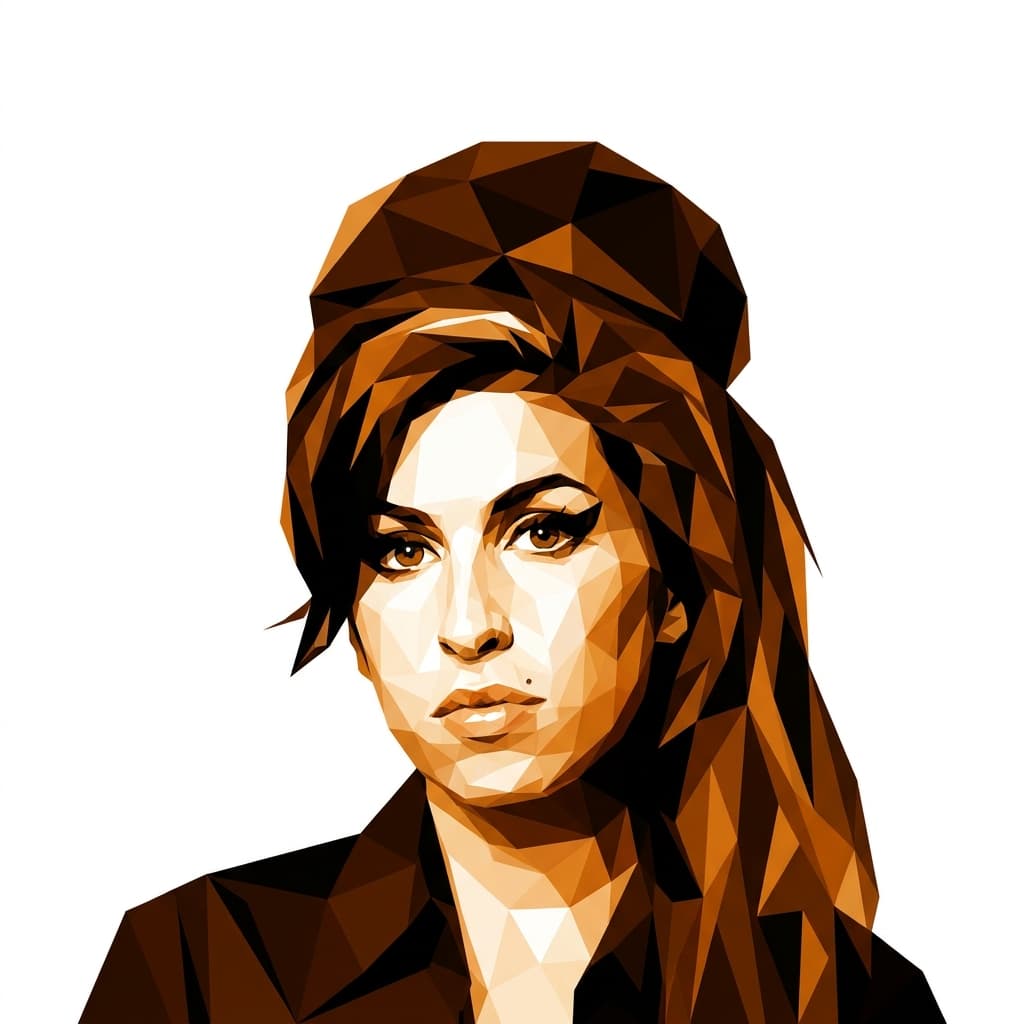
American pop-rock singer known for aerial performances, raw honesty, and a two-decade catalog of hits.
Design
- Q45.1
- h26.1
- R14.3
- g64.2
- i63.2
- S15.2
- T8.3
- U2.5
- V31.5
- W40.3
- X1.5
- Y26.3
- Z57.2
Personality
- Q64.5
- h63.5
- R51.4
- g40.3
- i37.3
- S64.1
- T47.3
- U53.6
- V29.2
- W47.1
- X1.5
- Y26.1
- Z57.3
Alecia Beth Moore — Pink — is a Manifesting Generator, wired to chase several things at once and burn through them fast, and her career has been exactly that: R&B girl group, pop provocateur, rock singer, arena acrobat, wife, mother, memoirist, all layered on top of each other instead of arriving in tidy sequence. She was kicked off her first label's development track, walked into LaFace at sixteen, and by nineteen had a debut album that already didn't sound like anyone else on the roster.
Her second album, M!ssundaztood, is the clearest case of her gut pulling her sideways from what the industry wanted. She was being groomed as an R&B singer; she called Linda Perry instead, made a rock-inflected confessional record, and outsold the debut many times over. That pivot is textbook permission to change lanes without guilt — and the restless appetite for radically different rhythms has kept surfacing ever since, from the punky Try This to the folk detour of Rose Ave. with Dallas Green.
Live, she's become something almost no other pop star attempts: the courage to be first and go where no one else has ventured, suspended from silks over stadiums, singing "So What" upside down while spinning. The aerial work isn't a gimmick, it's her insisting on physical stakes in an era of playback. Paired with that is a sharp business mind — she has always known how to sell what she genuinely believes in, pushing back on label suggestions, negotiating her own tour production, refusing songs she can't stand behind.
Her lyrics run hot and then, days later, land somewhere more settled — the mark of Emotional Authority, where the truest version of a feeling only shows up after the wave passes. "Family Portrait," "Who Knew," "F**kin' Perfect" all read as songs written after the crying, not during. She's also spoken about the long fuse on major decisions — marrying Carey Hart, leaving him, remarrying him, having kids — a pattern of circling back until the choice still feels right from a calm place. The 5/1 profile shows up in how the public keeps projecting onto her — the tough girl, the rebel, the mom — and how she keeps quietly correcting the record in interviews and documentaries.
She's fiercely protective of the community she's built: her band has been with her for years, her crew travels as family, and she's outspoken about showing up for the people who show up for her while holding hard lines about what she'll and won't give. Her Twitter fights with parents criticizing her kids, her open-letter responses, her willingness to use her platform as a voice for the collective on body image, LGBTQ rights, and politics — all of it comes from the same source. She's the original who couldn't fit in even when she tried, and after twenty-five years she's stopped trying — which is why the songs keep landing, and why the people in the cheap seats stay standing.
Sources: biography · birth data

What do you and Pink have in common?
Enter your birth details to find out