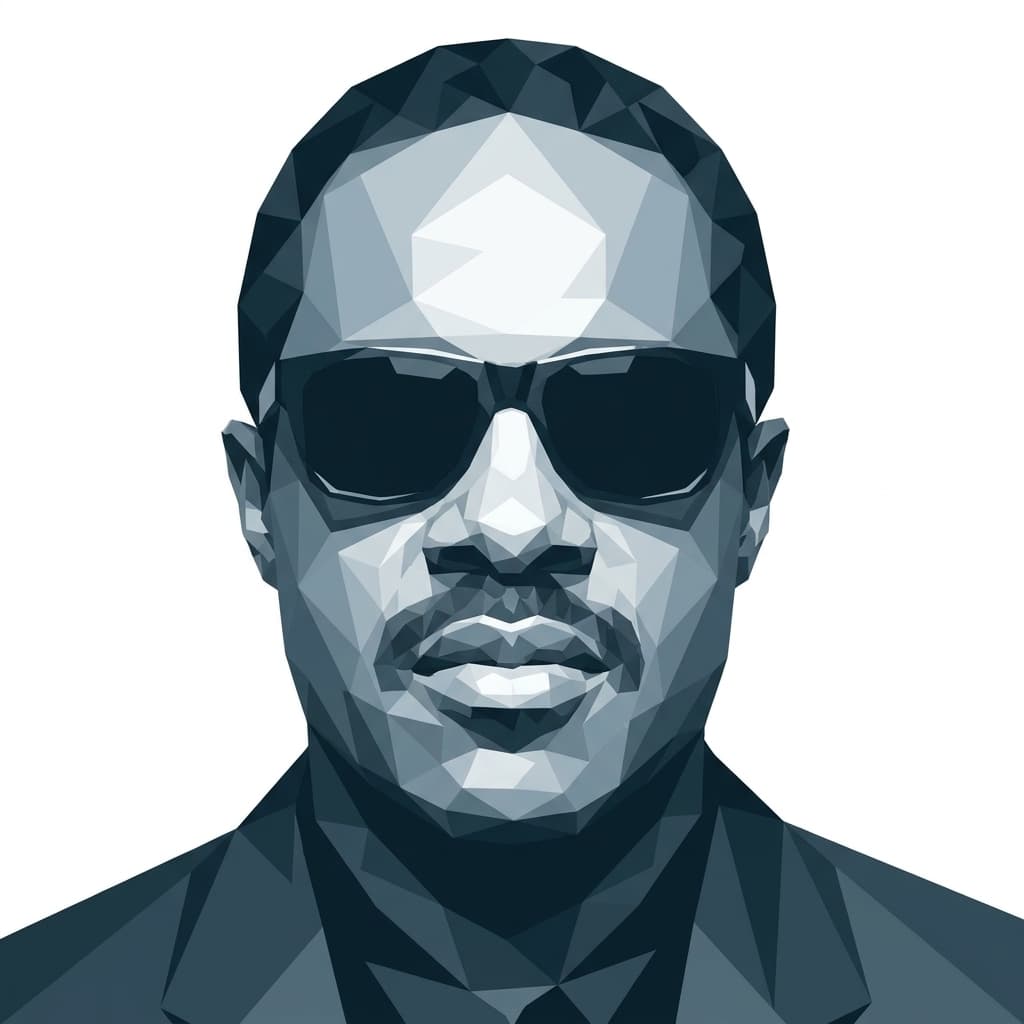
Legendary American producer, arranger, and composer who shaped jazz, pop, and film music across seven decades.
Design
- Q11.4
- h12.4
- R4.6
- g37.6
- i40.6
- S34.6
- T14.2
- U64.4
- V47.6
- W41.1
- X51.5
- Y40.5
- Z62.3
Personality
- Q36.2
- h6.2
- R28.2
- g37.3
- i40.3
- S17.4
- T63.4
- U40.1
- V47.1
- W19.6
- X42.2
- Y40.3
- Z62.1
Quincy Jones was a Projector — built to see what others couldn't quite see yet in a song, a singer, or a room full of musicians, and to steward that potential into something the world would actually hear. He didn't play the loudest horn in the room or sing the lead. He sat in the producer's chair, reading the chart, reading the people, and deciding what the track needed next. Across seven decades he arranged for Frank Sinatra and Count Basie, scored In the Heat of the Night and The Color Purple, produced Off the Wall, Thriller, and Bad, and convened "We Are the World" — a body of work built less on his own performance than on his uncanny eye for who belonged on which microphone.
Born on Chicago's South Side in 1933 and raised in Seattle, he picked up trumpet as a kid and met a sixteen-year-old Ray Charles at fourteen — a friendship that lasted until Ray's death. By his early twenties he was arranging for Dizzy Gillespie's State Department tour and Lionel Hampton's band, his ear already doing what his hands couldn't quite catch up to: hearing the whole arrangement before it existed. That kind of pattern-recognition is the work of a mind that organizes everything into "why", paired with the patience to wait for the right epiphany rather than force one. Quincy talked often about hearing the record before he made it.
His 2/4 profile — the hermit who needs community — showed up in how he worked. He studied composition with Nadia Boulanger in Paris for years, disappearing into the technical solitude of counterpoint and orchestration, then returned to America with a Rolodex that became one of the most famous networks in entertainment. The opportunities came through people who knew him: Sinatra invited him in, Spielberg invited him in, Michael Jackson invited him in. He didn't chase. He cultivated the gift in private and let the right invitations find him.
The Michael Jackson partnership is the case study. Quincy heard something in a kid most of the industry had filed away as a former child star, and he committed — but on his terms, with the deliberate timing of someone who knew exactly when to push a vocal take and when to leave it. He famously rejected "Billie Jean" in early sessions, sat with it, came back. As an emotional authority, he made decisions over time, not in the heat of a playback. He nearly survived a brain aneurysm in 1974 and afterward spoke about not getting emotionally overheated — literally a medical instruction that doubled as a life philosophy.
He had the capacity to attract resources and talent toward work he genuinely loved, and he used it: founding Qwest Records, launching Vibe, mentoring everyone from Will Smith to Jacob Collier. He carried a deep, almost familial loyalty to his musicians — the same arrangers, engineers, and players turning up across decades of credits. And he carried the courage to keep being first, whether that meant being the first Black executive at a major label or assembling forty-six superstars in one room for a single take.
He was, in his own phrase, a "musical butler" — there to serve the song. Which is exactly what a Projector who has fully grown into the work looks like: not the loudest voice, just the one everyone in the room turns to when it's time to decide.
Sources: biography · birth data
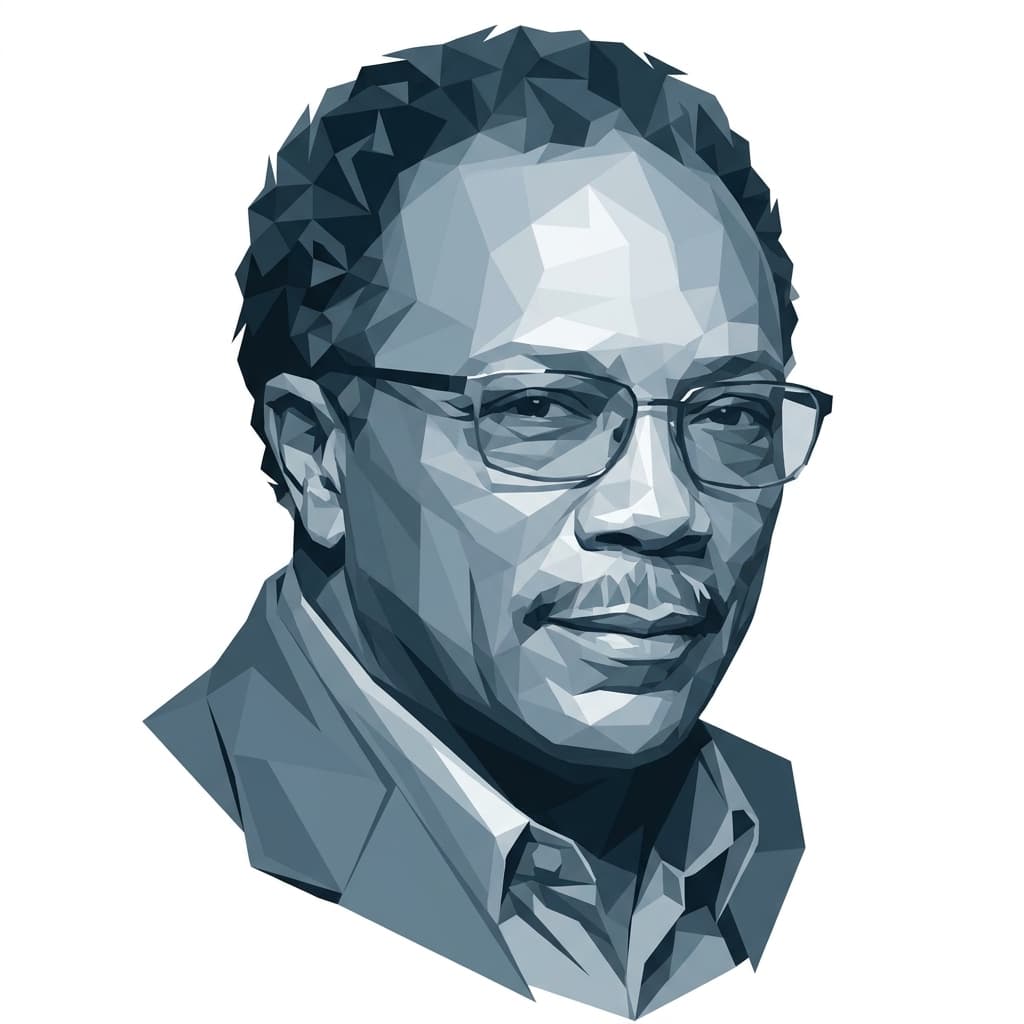
What do you and Quincy Jones have in common?
Enter your birth details to find out