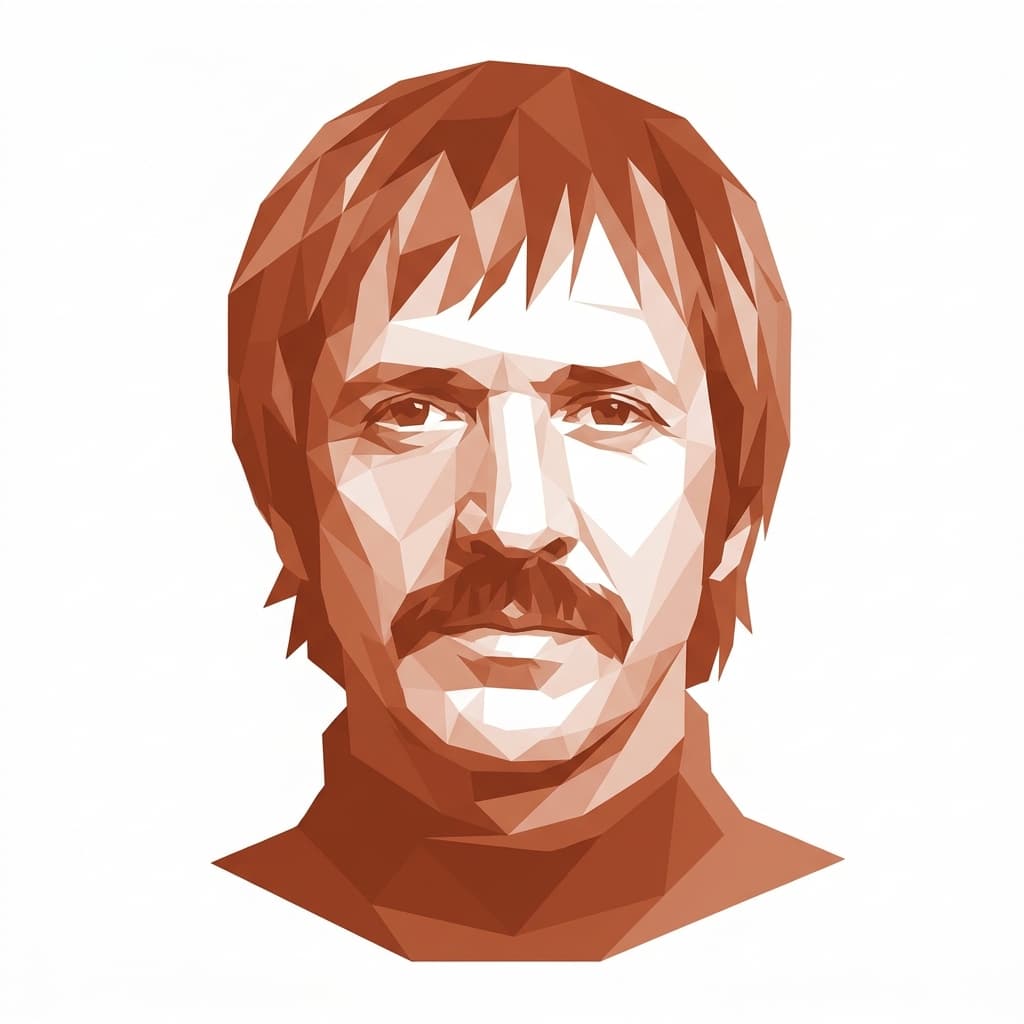
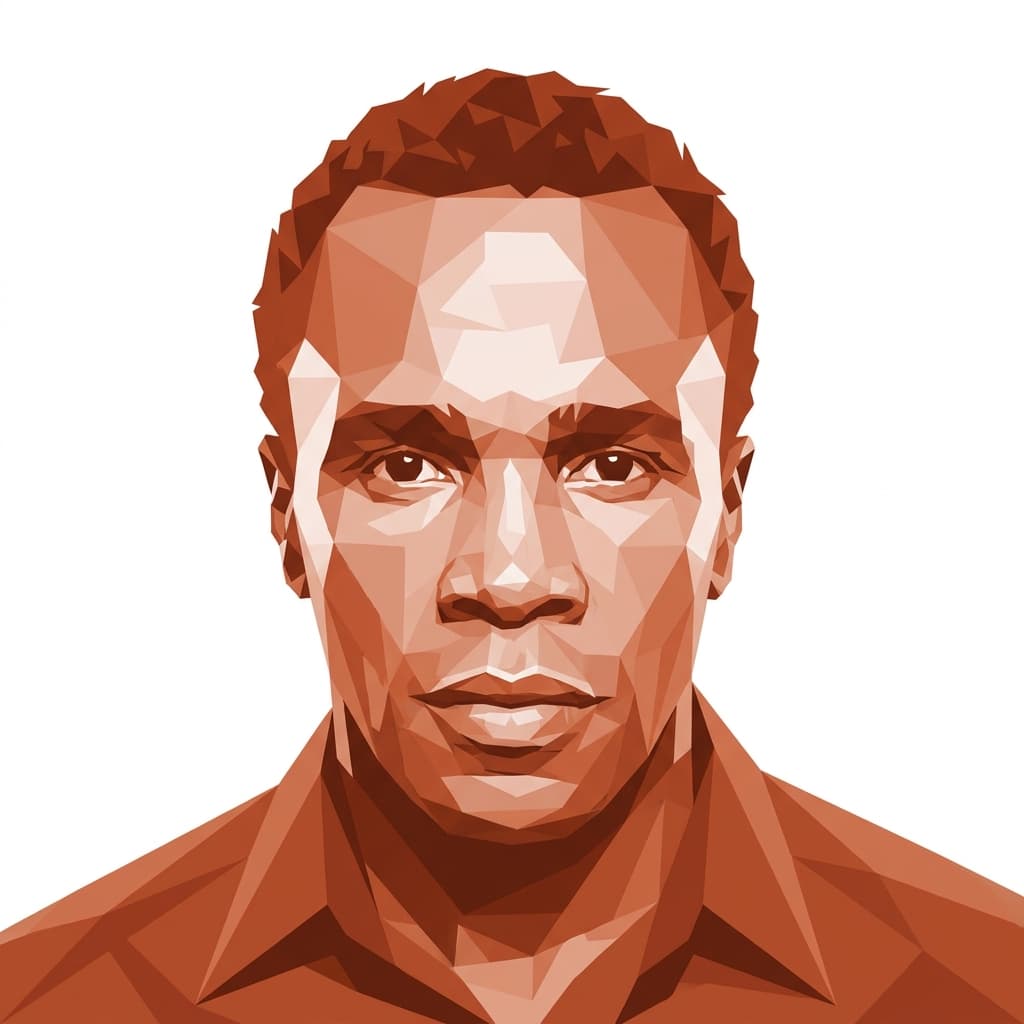
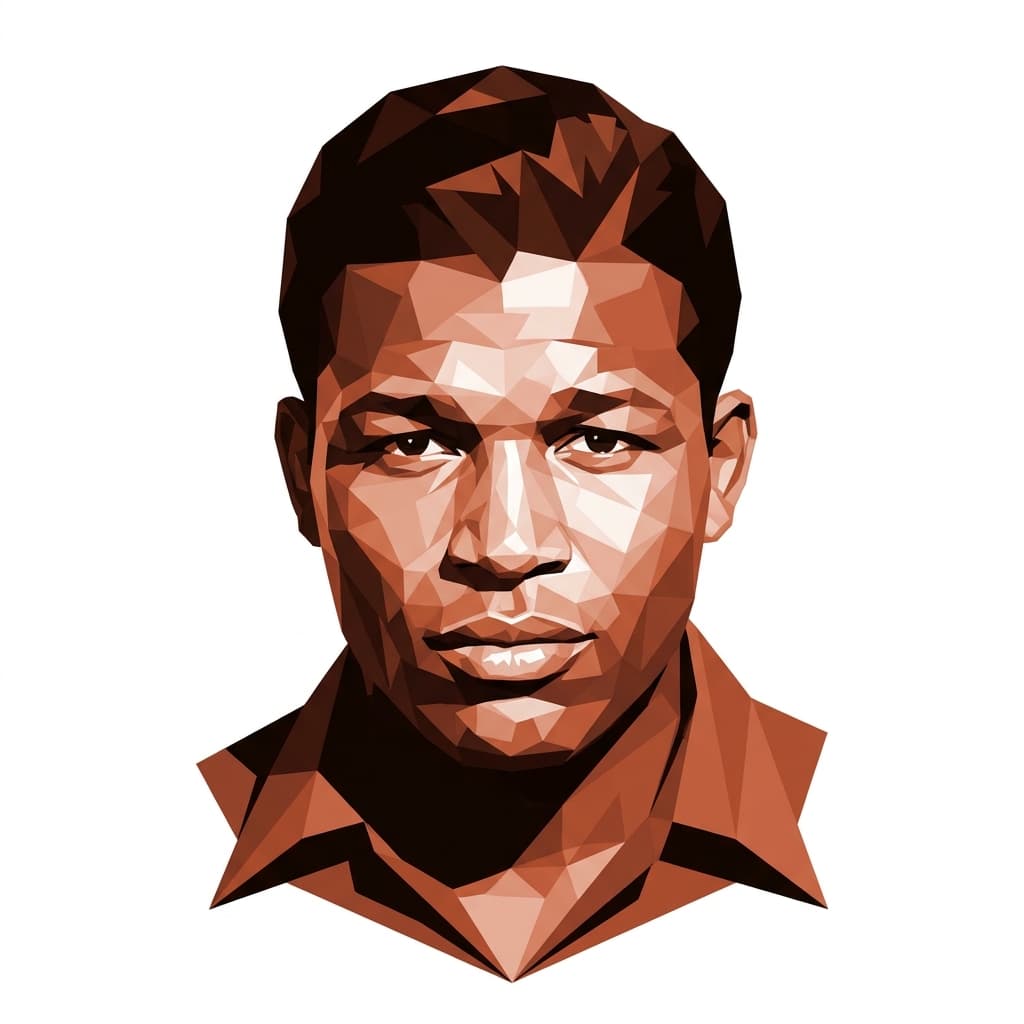
American singer, pianist, and bandleader who fused gospel, blues, jazz, and country into soul.
Design
- Q15.4
- h10.4
- R8.5
- g3.5
- i50.5
- S16.6
- T31.5
- U2.3
- V15.2
- W58.6
- X21.6
- Y59.2
- Z53.4
Personality
- Q46.2
- h25.2
- R57.2
- g42.4
- i32.4
- S6.4
- T1.3
- U53.1
- V53.3
- W58.2
- X21.5
- Y59.5
- Z53.6
Ray Charles Robinson was a Generator — built for deep, sustained work that brought him satisfaction, and the arc of his life is sixty years of leaning into the keyboard until the music came back. Blind by seven, orphaned by fifteen, he left Florida for Seattle at seventeen because someone told him it was as far from home as a bus could reasonably take a Black teenager with a suitcase and a head full of Nat King Cole records. He spent the next decade mastering every style he could get his hands on — cocktail-lounge crooning, jump blues, big-band arrangements — playing nightly, learning by repetition, becoming one with the instrument.
The breakthrough came when he stopped imitating. Around 1954, on "I Got a Woman," he took a gospel hymn and put secular lyrics on it, and Black churches howled while the rest of the country leaned in closer. It was an original sound nobody had asked for and everybody needed, and it announced him as a tastemaker who could spot what deserved to be heard before the culture caught up. Soul music, as a commercial genre, more or less starts there.
His 2/4 profile — the hermit who is also the network — shaped how he moved. He was famously social on the bandstand and famously unreachable off it, retreating to his Los Angeles studio, RPM International, for long stretches of solitary work. Opportunities reached him through the dense web of musicians, producers, and label people he'd cultivated since the Seattle years, but the actual creative discoveries happened alone, at the piano, late, in the kind of solitude where talent develops without announcing itself. The Raelettes, Atlantic, ABC-Paramount, Quincy Jones — all of it came through relationships, but the songs came from the room with the door shut.
He ran his organization like a man who needed to control the resources to protect the work. He demanded ownership of his masters from ABC in 1959 — almost unheard of for a Black artist at the time — and got it. He counted the money himself, in cash, by feel. He hired and fired with what associates described as instant, unappealable judgment, though the bigger decisions — leaving Atlantic, recording a country album in 1962 against everyone's advice — he slept on for weeks, riding the wave until the answer settled. Modern Sounds in Country and Western Music was the result of exactly that kind of patience, and it became the biggest record of his career.
The shadow ran alongside the gift. A seventeen-year heroin addiction, multiple marriages, a tangle of children he supported but didn't always know — he was a man who went to the extremes of what a life could contain and brought back wisdom from places most people don't survive. After his 1965 arrest he quit cold, by his own account, and never used again. He kept a child's wonder about music intact through all of it, and an old-school sense of responsibility to the band and the community that raised him. He died in 2004, still recording, having spent the energy exactly the way a Generator is supposed to — used all the way up, on the thing that lit him up.
Sources: biography · birth data

What do you and Ray Charles have in common?
Enter your birth details to find out