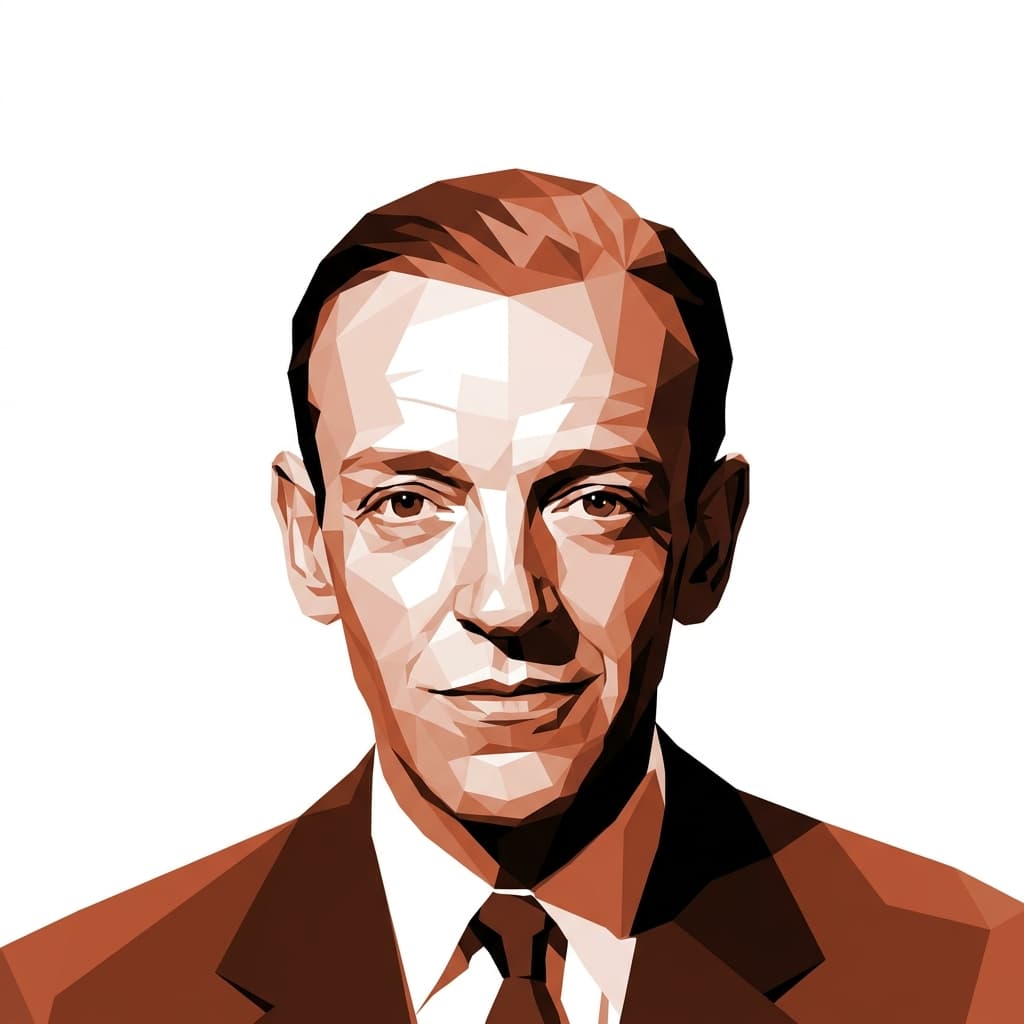
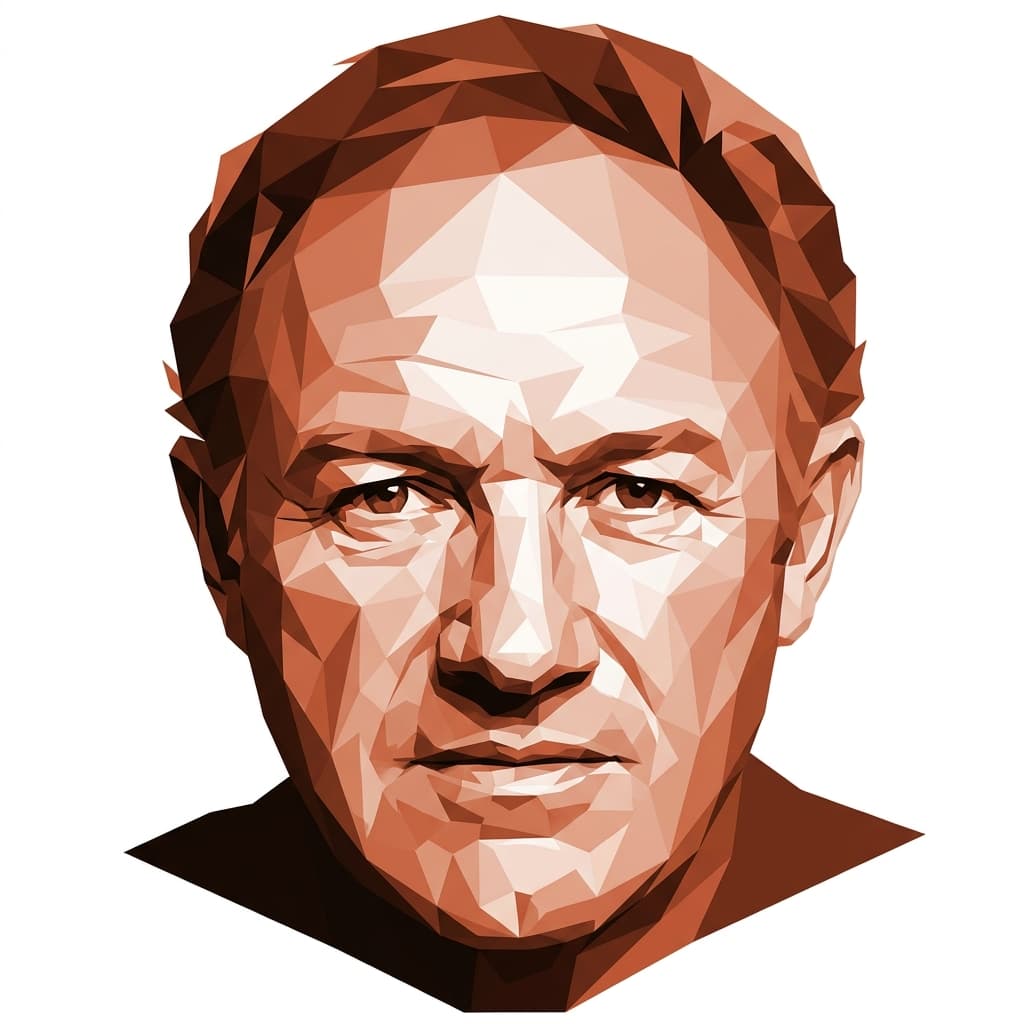
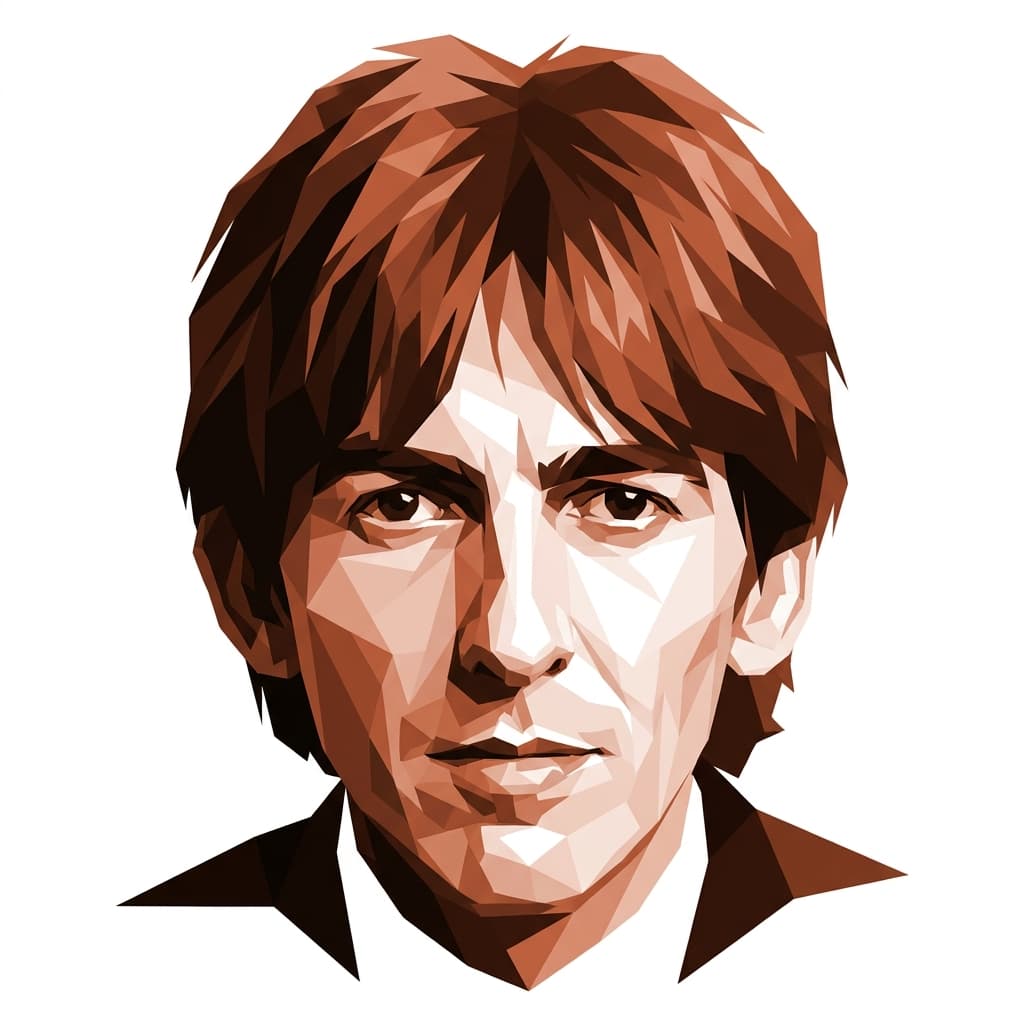
American boxer widely regarded as the greatest pound-for-pound fighter in history.
Design
- Q13.2
- h7.2
- R58.2
- g50.5
- i3.5
- S30.4
- T25.4
- U36.1
- V47.1
- W6.2
- X55.5
- Y33.5
- Z52.4
Personality
- Q24.6
- h44.6
- R36.4
- g50.1
- i3.1
- S27.4
- T42.6
- U8.5
- V40.4
- W47.2
- X37.4
- Y33.4
- Z52.4
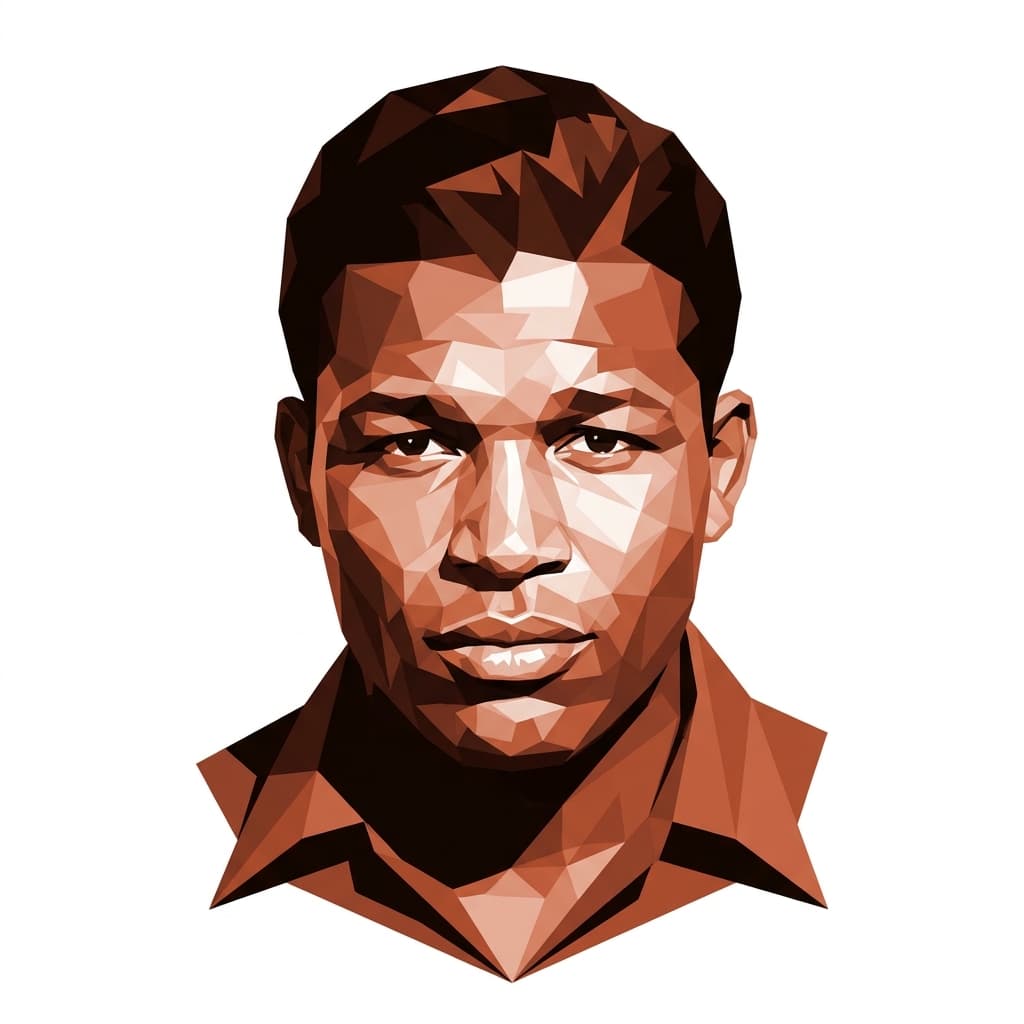
Sugar Ray Robinson was a Generator — built for the long, repetitive, deeply physical work of mastering a craft, and he treated boxing exactly that way, training with a stamina and obsessiveness that exhausted everyone in his camp before it exhausted him. Born Walker Smith Jr. in Ailey, Georgia, he borrowed the AAU card of a kid named Ray Robinson to get into an amateur fight at fifteen and never gave the name back. By the time he turned professional in 1940, he had already won 85 of 85 amateur bouts.
His 6/2 profile shows in the shape of his career — a wild, experimental young man's life followed by a long middle stretch of refinement, then a final act as the elder statesman every fighter from Ali to Hagler would name as the model. He retired in 1952 to try the pull toward something he couldn't yet name, taking up tap dancing and touring nightclubs as an entertainer. The act flopped financially. He returned to boxing in 1955 and, at 35, won the middleweight title back. He would win it five times in total, a record no one has matched.
In the ring he was a study in sustained, channeled focus — combinations thrown in clusters of four and five, footwork that looked like dancing because it actually was dancing, an ability to read patterns before they finished forming. Outside the ring he was emotionally weather-driven, capable of sunny generosity one week and brooding withdrawal the next, making business decisions on moods that he later regretted and revisited. His handlers learned to bring him contracts twice, once to feel and once to sign.
He surrounded himself with an entourage — barber, masseur, voice coach, dwarf mascot, the famous flamingo-pink Cadillac — and treated Harlem like a community he was personally responsible for, opening Sugar Ray's bar on Seventh Avenue and bankrolling neighborhood kids who needed a meal or a coat. He gave money away with the warmth of someone who believed loyalty ran both ways, and was repeatedly stunned when it didn't. The IRS chased him for the rest of his life over taxes on income he'd already handed out.
The 1947 death of Jimmy Doyle, who never woke up from a Robinson knockout in Cleveland, marked him permanently. He had dreamed the night before that he would kill Doyle in the ring and tried to call the fight off; the priest and promoter talked him back. He fought on with the loss carried inside him — a warrior's open-hearted faith tested by something he couldn't undo, and he funded Doyle's mother for years afterward. The responsibility he felt for what his hands could do never quite left his interviews.
His final years were quieter. He moved to Los Angeles, founded the Sugar Ray Robinson Youth Foundation, and spent the 1970s and 80s reflecting on the long arc rather than the individual fights, shaping the persona — Sugar — that every flashy champion since has borrowed from. He died in 1989, having authored, almost by himself, the modern template of what it looks like to make boxing into an art form.
Sources: biography · birth data
What do you and Sugar Ray Robinson have in common?
Enter your birth details to find out