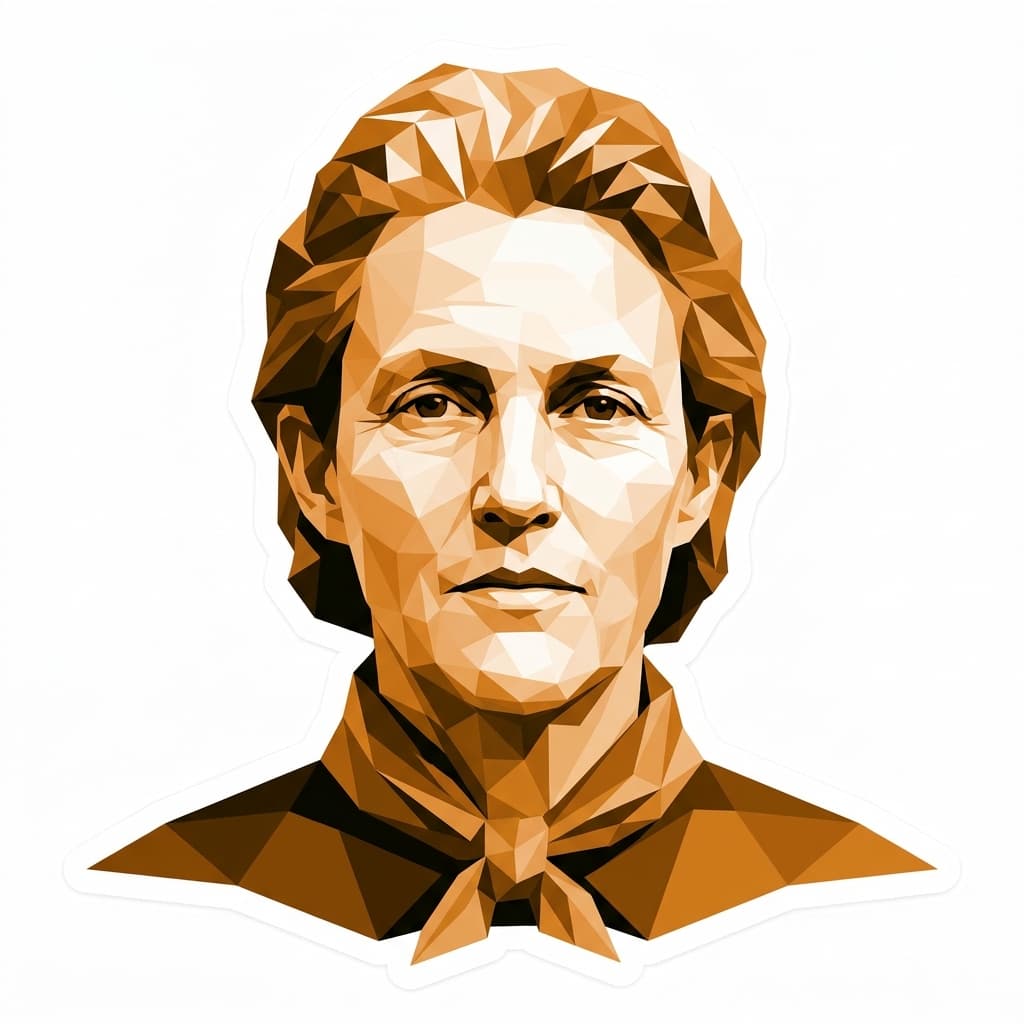
Puerto Rican pop superstar, former Menudo member, and global ambassador whose coming out redefined Latin pop.
Design
- Q18.1
- h17.1
- R38.1
- g19.6
- i33.6
- S6.4
- T48.4
- U13.1
- V34.3
- W16.1
- X48.5
- Y34.1
- Z46.2
Personality
- Q10.5
- h15.5
- R25.2
- g41.4
- i31.4
- S5.1
- T60.6
- U25.1
- V26.5
- W20.1
- X57.3
- Y34.4
- Z46.5
Ricky Martin is a Manifesting Generator — built for speed, multiplicity, and bright bursts of output — and his career has moved exactly that way: boy-band kid at twelve, telenovela heartthrob at twenty, Broadway's Marius in Les Misérables, global pop phenomenon, Broadway's Che in Evita, memoirist, activist, father. He has never really picked one lane, and the pivots have mostly worked because he waits for something to light him up before he throws his considerable energy at it.
He joined Menudo in 1984 after auditioning three times — the first two were nos, and the third was the kind of full-body yes that doesn't need a backup plan. Five years inside that machine taught him the discipline of repetition that eventually becomes mastery: choreography drilled until it was muscle, Spanish and English and Portuguese rotated city by city, a kid's body learning to hold a stadium. When he aged out, he didn't coast on nostalgia — he retreated to study, then came back as something else, first to Mexico for soap operas, then to Broadway, then to the solo albums that would make him a household name.
"Livin' la Vida Loca" in 1999 was a response, not an invention. He'd been performing "The Cup of Life" at the Grammys the year before, felt the room come up off the floor, and followed the opening life had already shown him. The song is pure Ricky — a love letter to living at the edges of experience, to the woman who'll push you off the cliff just to see you fly. It cracked open the Latin pop crossover in English-language markets and made him, for a stretch, the most famous man on earth.
For years he dodged the gay question with practiced grace, and the dodging cost him. In 2010 he published a letter on his website: I am a fortunate homosexual man. He has said since that becoming a father to twin boys via surrogacy made the closet untenable — he could not raise children inside a lie. The coming-out was an act of self-love offered as a public example, and it reorganized what was possible for Latin male pop stars. He has since been steady and visible about who he actually is, married Jwan Yosef, had two more children, and campaigned loudly for LGBTQ+ rights across Latin America.
His activism tends to follow the same pattern as his music: he waits until something lands close enough to feel it in his body, then he moves. The Ricky Martin Foundation grew out of a trip to Calcutta in 2001 where he encountered trafficked children; it now runs anti-trafficking programs across the Americas. He has fought publicly for causes that genuinely matter to him — marriage equality, Puerto Rican disaster relief after Hurricane María, the ousting of Governor Ricardo Rosselló — while mostly ignoring battles that don't.
Offstage he is reportedly quieter than the stadium Ricky suggests, protective of his home and the rituals that keep him sane, a reader and a yoga practitioner who disappears between tours. The pattern holds: go hard, retreat, return with something new to persuade the world to care about. It's a Manifesting Generator life, lived in public, mostly on his own terms.
Sources: biography · birth data

What do you and Ricky Martin have in common?
Enter your birth details to find out