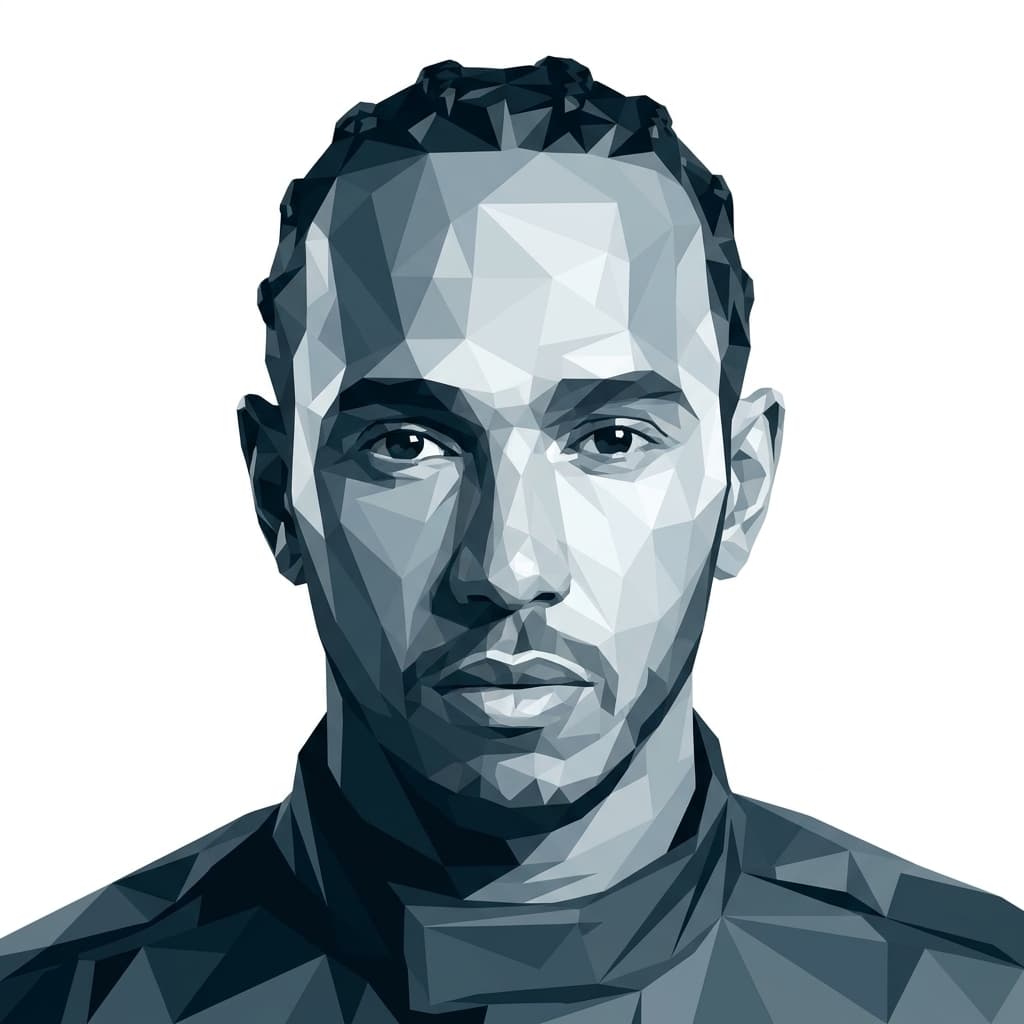
Pioneering Chicano rock and roll singer-guitarist who fused rhythm and blues with Mexican folk traditions.
Design
- Q49.6
- h4.6
- R40.6
- g46.5
- i25.5
- S63.1
- T19.1
- U11.5
- V24.2
- W24.2
- X23.4
- Y6.5
- Z31.1
Personality
- Q23.4
- h43.4
- R26.6
- g46.3
- i25.3
- S20.1
- T8.5
- U30.4
- V8.3
- W2.6
- X8.2
- Y6.3
- Z31.1
Ritchie Valens was a Projector — the kind of teenager who didn't burn energy on every stage in Los Angeles but waited to be seen, and when he was seen, changed the shape of American music in about eight months. Born Richard Steven Valenzuela in Pacoima in 1941, he grew up in a working-class Mexican-American family where music circled him constantly: mariachi at gatherings, flamenco records, R&B on the radio, his uncle's guitar passed into his hands before he was old enough to know what to do with it. He taught himself left-handed on a right-strung guitar, then rebuilt his technique so he could play either way.
By high school he was fronting a band called the Silhouettes at Pacoima Junior High talent shows and American Legion dances. It was there that Bob Keane, owner of the small Del-Fi label, came to watch him after a tip from a fan. That moment was the pivot — a classic invitation-based turn that took him from local kid to recording artist almost overnight. Keane brought him into a garage studio in Silver Lake, renamed him Ritchie Valens, and started cutting sides. Within weeks "Come On, Let's Go" was on the radio.
His 4/6 profile — the community-rooted role model whose wisdom comes from lived experience — showed up in the way he wrote. "Donna" was a real letter to Donna Ludwig, his high school girlfriend, and it landed because it was true; the song moved through Pacoima before it moved through America. On the flip side he cut "La Bamba," a wedding song from Veracruz he'd heard at family parties, rearranged in a rock and roll frame. Nobody had put Spanish-language lyrics on a Top 40 rock single before. He did it with the instinct of a natural tastemaker, pulling something old and unusual into the mainstream on the strength of feel alone.
In the studio he was patient in a way that surprised older musicians. He'd sit with a take, sleep on it, come back the next day with a small correction — decisions shaped by an emotional wave rather than a producer's clock. Session players remembered him working out arrangements by ear, distilling complicated ideas into something everyone could play, then finding the exact right thing to sing in the exact right moment. He had the magnetic pull of someone people simply wanted to be around — polite, quiet, funny in small doses, carrying an open-hearted innocence that survived even after fame arrived.
The Winter Dance Party tour of January 1959 was rough — freezing buses, canceled heat, a punishing schedule for a seventeen-year-old who needed rest he wasn't allowed to take. After a show in Clear Lake, Iowa, Valens won a coin toss for a seat on a chartered plane. It went down in a cornfield outside Mason City on February 3, killing him, Buddy Holly, and J.P. Richardson. He was seventeen.
What he left behind — three singles, one album, a handful of demos — carried a longing to feel everything fully and a deep respect for where he came from that reshaped what American rock and roll could sound like. Los Lobos' 1987 cover of "La Bamba" made him a legend to a second generation. He remains the reason Chicano rock exists as a named tradition.
Sources: biography · birth data
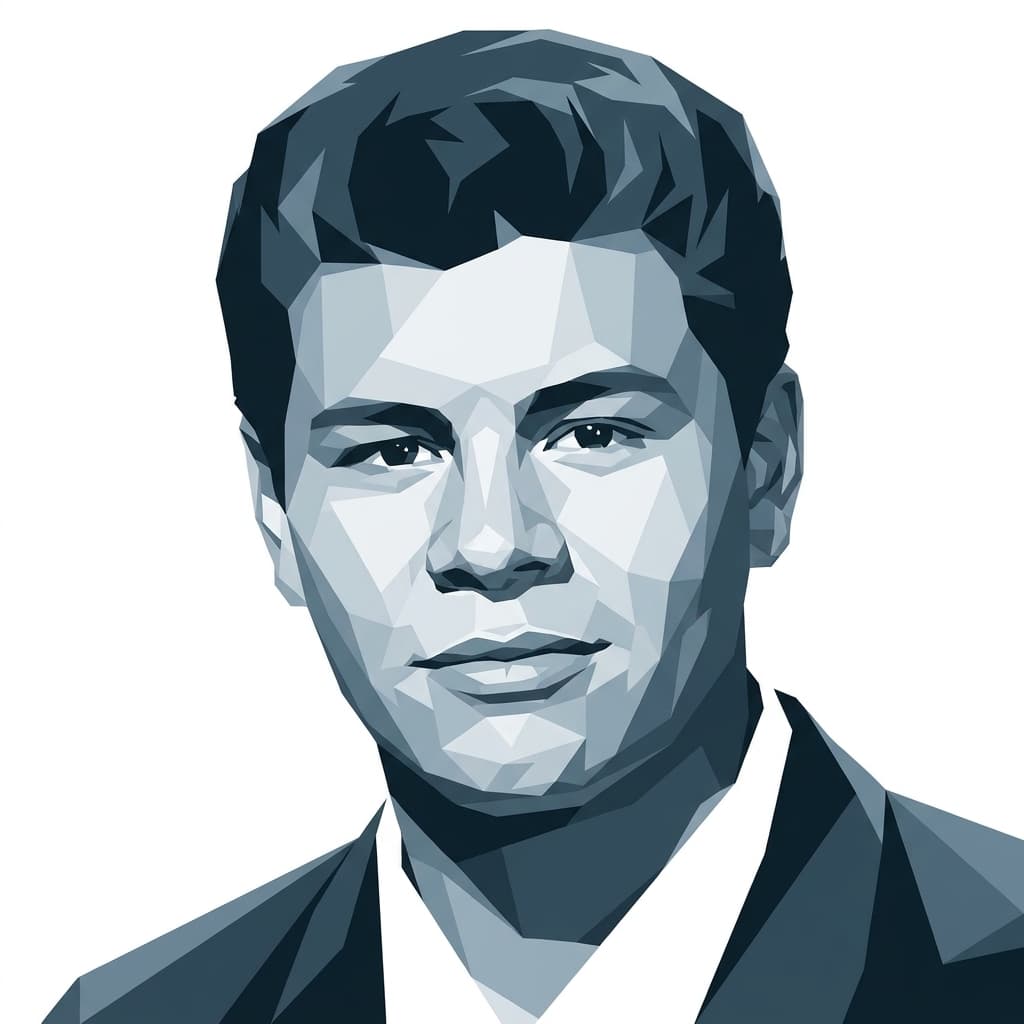
What do you and Ritchie Valens have in common?
Enter your birth details to find out