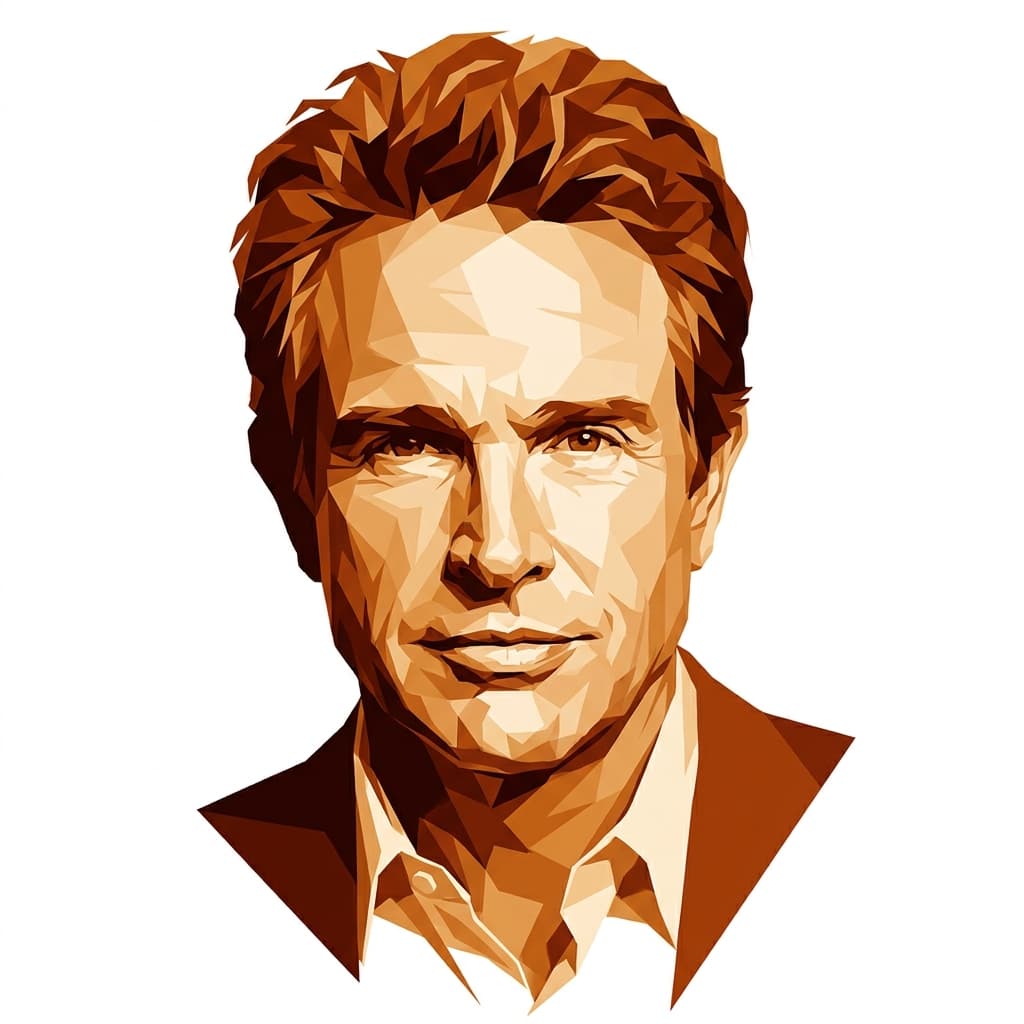
Olympic judoka turned UFC champion and WWE star who redefined women's combat sports.
Design
- Q1.2
- h2.2
- R61.2
- g51.6
- i57.6
- S14.4
- T44.5
- U13.5
- V63.2
- W9.4
- X26.4
- Y10.6
- Z28.6
Personality
- Q19.6
- h33.6
- R36.5
- g21.5
- i48.5
- S30.2
- T11.5
- U51.2
- V36.1
- W26.2
- X11.3
- Y58.4
- Z44.3
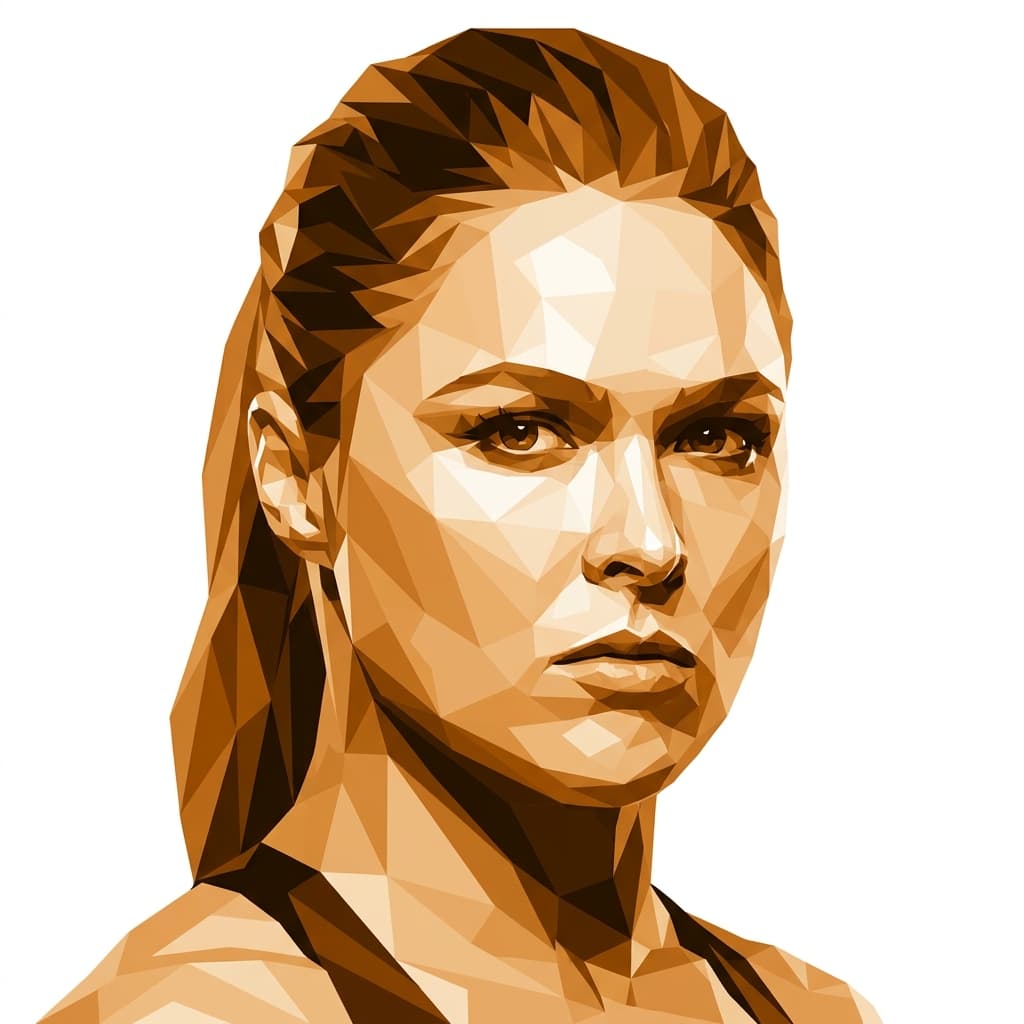
Ronda Rousey is a Manifesting Generator — built to chase several arenas at once and burn through them at her own velocity, which is exactly the shape her career took. By her late twenties she'd been an Olympic judo bronze medalist, the first female UFC champion, a Hollywood action presence, and a WWE headliner. Most athletes pick a lane. Rousey picked all of them, mastered each quickly, and moved on when the energy shifted.
She grew up in a judo house. Her mother, AnnMaria De Mars, was the first American to win a World Judo Championship, and Rousey trained with the kind of laser focus on technique that becomes muscle memory — drilling the armbar so many thousands of times that, by her UFC run, opponents knew it was coming and still couldn't stop it. Her first six title defenses ended in a combined 1,299 seconds. She fought like someone following a full-body yes without bothering to explain it, walking across the cage and finishing the fight before the crowd had settled.
Her 6/2 profile — the role model who needs solitude to recharge — reads cleanly across her arc. The early years were trial by combustion: training in a Wendy's parking lot, sleeping in her car, bartending between fights. Then came the meteoric middle, where she became the face of women's MMA and a reluctant lighthouse for what self-trust looks like in a body. She talked openly about body image, about being called masculine for being muscular, about refusing to shrink herself to be more palatable. The pressure of being everyone's symbol was real, and she didn't pretend otherwise.
The losses to Holly Holm and Amanda Nunes were brutal, public, and the kind of shock that forces a hard pivot. She withdrew. She spoke later about how dark that period got. A 6/2 needs the retreat — needs the space to step back and process what just happened — and Rousey took it. She didn't grind back into MMA. She honored where her energy actually wanted to go, which turned out to be WWE, then a horse ranch in Oregon with her husband Travis Browne, then motherhood, then a memoir.
Her Strategy of waiting to respond doesn't look obvious in a fighter whose whole brand was aggression, but the pattern is there: she responded to judo because it was already in her house, to MMA because Strikeforce came calling, to WWE when WrestleMania was offered, to acting when scripts landed in front of her. She rarely chased. She picked the fight worth fighting and went all in. The fights she chose poorly — particularly the ones she stayed in after the energy was gone — were the ones that broke her.
What's stuck around is her gift for persuading people that something previously unmarketable is, in fact, the main event. Women's UFC fights didn't exist as headliners before her. Dana White famously said they never would. Rousey, with the bluntness of someone unwilling to soften her edges, made that position obsolete in about three years.
Sources: biography · birth data
What do you and Ronda Rousey have in common?
Enter your birth details to find out