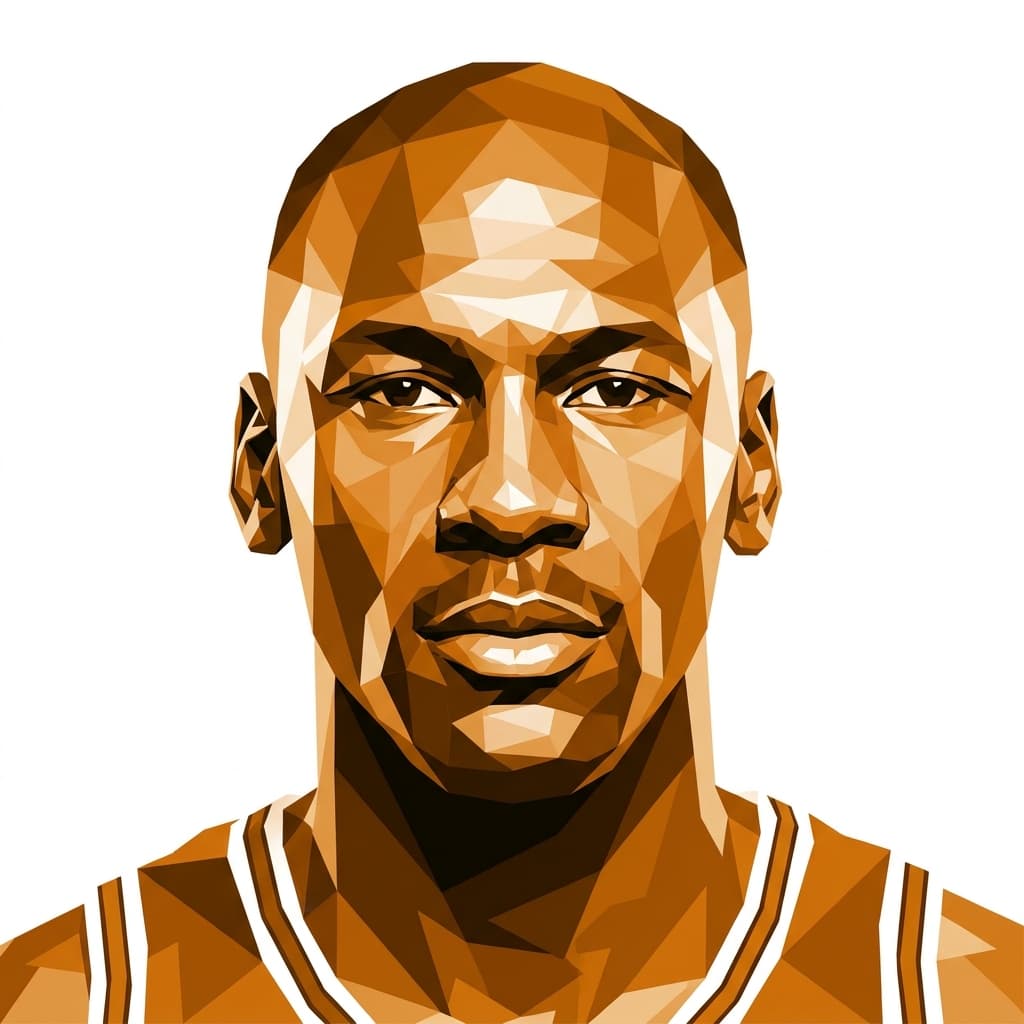
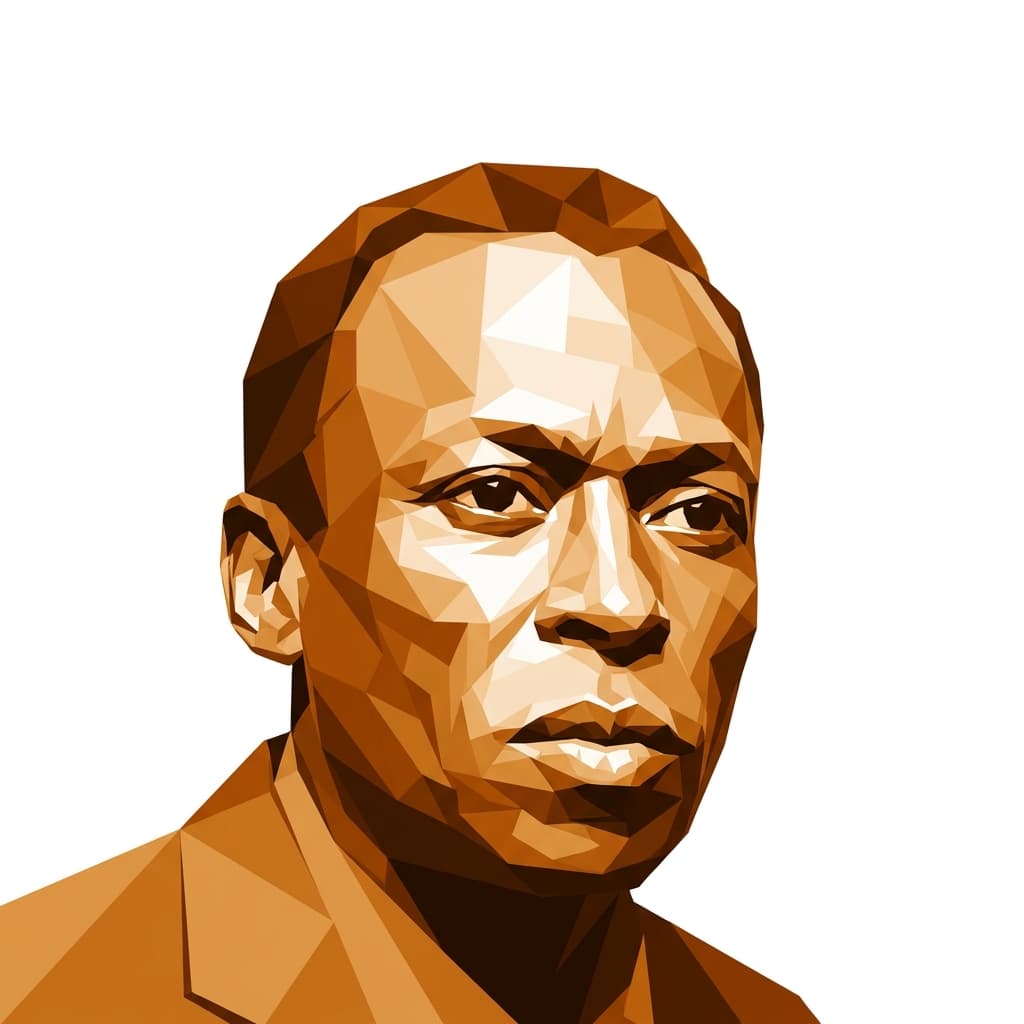
Nine Inch Nails founder and Oscar-winning composer who turned industrial rock into cinematic art.
Design
- Q30.5
- h29.5
- R6.2
- g45.4
- i26.4
- S49.6
- T13.3
- U6.4
- V2.6
- W37.1
- X64.3
- Y43.2
- Z64.5
Personality
- Q8.3
- h14.3
- R11.5
- g35.3
- i5.3
- S27.2
- T16.1
- U64.2
- V16.1
- W63.5
- X40.6
- Y1.6
- Z64.3
Trent Reznor is a Manifesting Generator — wired to move fast, master a craft, and then pivot into the next one without waiting for permission — and the arc from Cleveland studio janitor to Oscar-winning film composer is exactly that trajectory played out over three decades. He grew up in small-town Pennsylvania, trained classically on piano, and by the mid-1980s was cleaning toilets at Right Track Studio in Cleveland in exchange for after-hours access to record what became Pretty Hate Machine under the name Nine Inch Nails. He played every instrument himself. He was 23.
That first album was the 3/5 profile experimenting in public — a bedroom project that accidentally became a genre. Reznor learned by doing, and much of what he learned in the years after was hard: the label war with TVT that nearly ended the project, the Downward Spiral sessions in the house where the Manson murders happened, the years of addiction that followed. He has spoken openly about all of it, and that willingness to narrate the mess as it happened is exactly how his kind of authority gets built — not from having answers but from surviving the questions.
His creative engine runs on an almost monastic devotion to the craft itself, the kind of obsessive repetition that turns a bedroom four-track kid into someone who can score a David Fincher film. Nine Inch Nails albums are famously overworked — Reznor will spend months on a single snare sound — and that patience with process is inseparable from the work. When he finally got clean in 2001, the pivot was total: he married, had children, and started saying no to things that used to define him. The emotional weight he had always channeled into the music stopped being self-destructive and became structural.
The Fincher partnership — The Social Network, Gone Girl, The Girl with the Dragon Tattoo, and eventually the Oscar for Soul with Atticus Ross — was a classic Manifesting Generator response, not an initiation. Fincher asked; Reznor's gut said yes; a whole second career unfolded. He and Ross now score more films than NIN releases albums, and the film work has pulled him toward collaboration in ways the solo years never did. Atticus is not a hired hand. He's a genuine creative partner, and Reznor has said the friendship is what makes the work possible.
What has stayed constant across every phase is the refusal to make the same record twice, and a hard-won instinct for what deserves his attention and what doesn't. He turned down the Woodstock '99 payday, walked away from a lucrative Apple job to return to NIN, and picked fights with streaming services years before it was fashionable. He speaks with [the bluntness of someone who has stopped performing certainty](refs:gate:23... wait) — the bluntness of someone who has stopped performing — about the industry, his own past, and the work still ahead. At nearly sixty, he seems more interested in the long project of getting the sound exactly right than in any particular outcome.
Sources: biography · birth data

What do you and Trent Reznor have in common?
Enter your birth details to find out