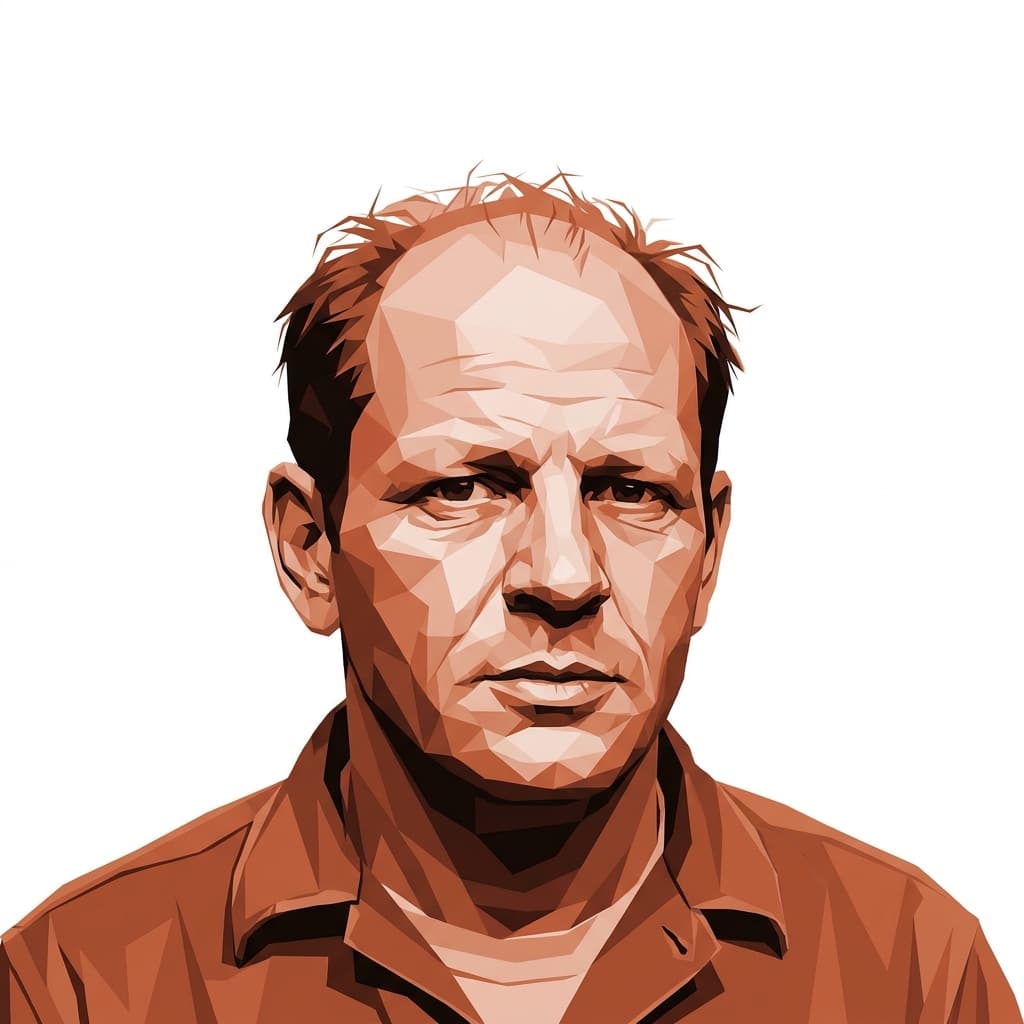
American actress known for 7th Heaven, film roles, and her production work in television.
Design
- Q5.4
- h35.4
- R17.5
- g62.3
- i61.3
- S5.1
- T60.3
- U6.3
- V50.6
- W57.5
- X34.2
- Y11.2
- Z32.6
Personality
- Q63.2
- h64.2
- R45.1
- g62.1
- i61.1
- S13.3
- T60.5
- U57.4
- V44.3
- W32.1
- X34.5
- Y11.5
- Z50.1
Jessica Biel is a Generator — built with deep, sustainable energy for the long haul, and her career reads like someone who understood early that stamina and repetition were her real currency. She landed on 7th Heaven at fourteen and stayed for nine seasons, an unusually long apprenticeship for a young actor. Rather than sprint through the industry, she settled in, learned the machinery, and kept showing up week after week — the kind of devotion to daily rhythm that makes long-running network television possible in the first place.
Her early move to break the wholesome mold — the 2000 Gear magazine shoot that got her nearly fired from the family drama — was a very Biel decision: quiet on the surface, then decisive. She's spoken often about needing time away from Los Angeles, keeping a home in Colorado, and disappearing between projects. That's classic 2/4 profile behavior — the hermit who periodically comes down the mountain — and it maps onto how her opportunities have consistently arrived: through tight relationships and inner-circle referrals rather than industry hustle. Her closest collaborators, including producing partner Michelle Purple, go back decades.
The pivot to The Sinner in 2017 was the clearest example of her working from a full-bodied gut yes. She optioned the Petra Hammesfahr novel herself, developed it through her production company Iron Ocean, and starred in a role — Cora Tannetti, a woman who commits an inexplicable murder — that had nothing to do with the girl-next-door casting she'd spent years fighting. The Emmy and Golden Globe nominations that followed weren't the point; the point was that she'd stopped waiting for the industry to offer her the right thing and instead built the container that would let it show up.
Off-camera she runs multiple businesses — the kids' restaurant Au Fudge (which she eventually closed), the children's book series A Kids Book About, wellness ventures — with the instinct for what's worth preserving and what to walk away from that keeps entrepreneurs from bleeding out on projects past their expiration date. She's been public about the Au Fudge closure in a way most celebrities aren't, treating the failure as data about timing and market fit rather than something to hide. That willingness to name what didn't work is rarer than it sounds.
Her marriage to Justin Timberlake, and her handling of its more turbulent public moments, shows the selective, protective approach to intimacy she brings to her private life — few interviews, careful boundaries, and a preference for showing rather than explaining. She raises her two sons largely out of the spotlight and speaks about parenting with the kind of values-first framing that suggests she's thought hard about what she'll defend and what she'll let go.
What's striking about Biel at this point is how little she seems to be chasing. She works when a project genuinely lights her up, produces when she sees something others have missed, and otherwise goes home. It's a career shaped less by ambition than by waiting for the thing worth responding to.
Sources: biography · birth data

What do you and Jessica Biel have in common?
Enter your birth details to find out