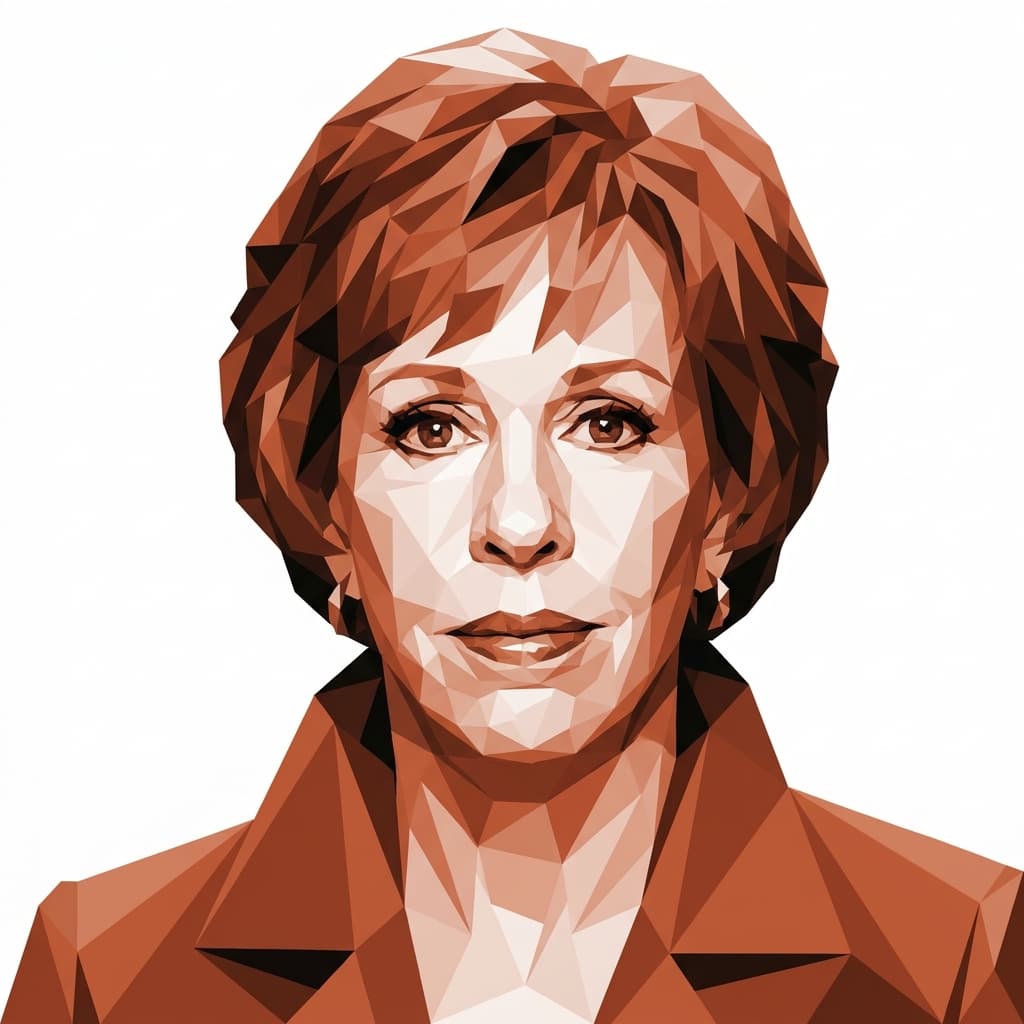
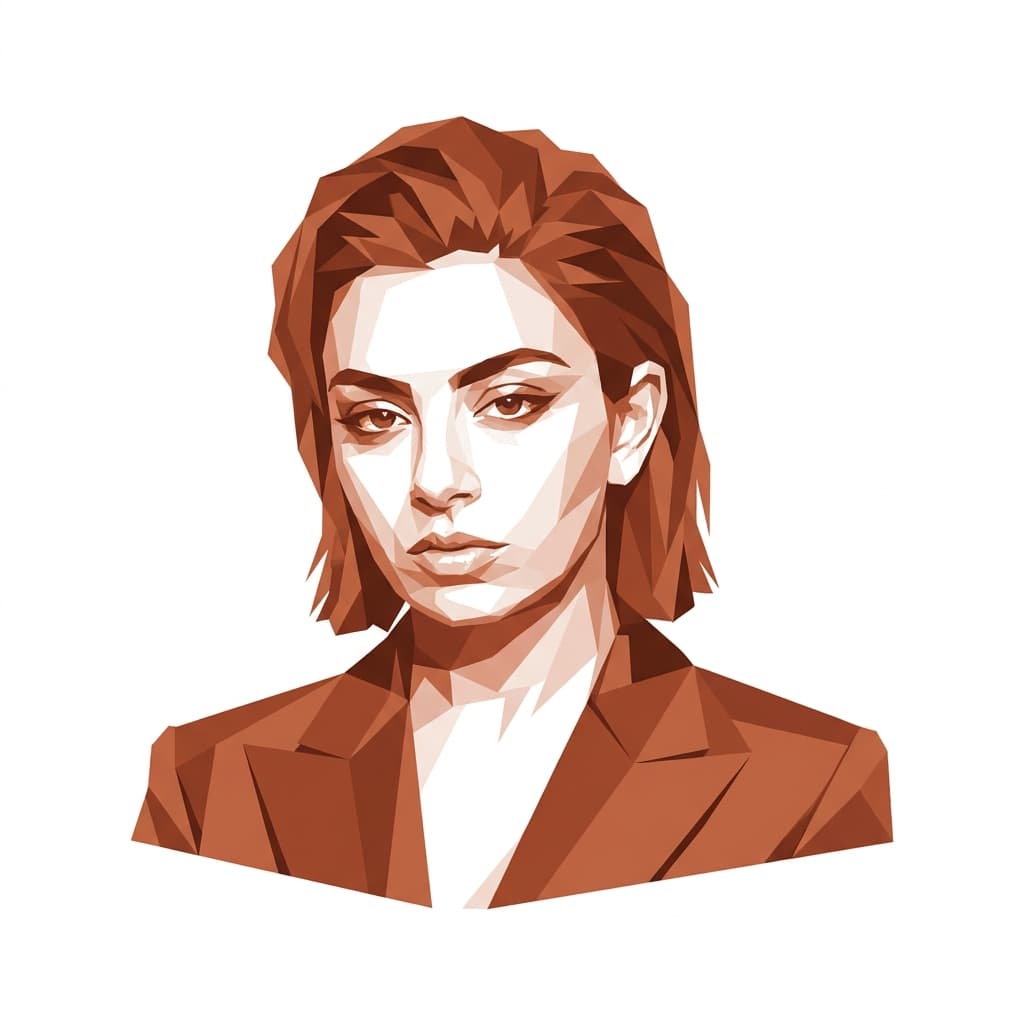
American actress and producer known for Basic Instinct, Casino, and decades of Hollywood reinvention.
Design
- Q26.6
- h45.6
- R47.4
- g44.3
- i24.3
- S38.2
- T41.5
- U43.6
- V32.6
- W26.1
- X33.4
- Y28.3
- Z59.3
Personality
- Q22.4
- h47.4
- R34.2
- g28.1
- i27.1
- S36.5
- T19.1
- U61.5
- V50.5
- W11.3
- X33.1
- Y28.3
- Z59.1
Sharon Stone is a Generator — built for sustained, satisfying work and blessed with the stamina to master a craft over decades, even when Hollywood tried to write her off multiple times. She spent most of the 1980s taking whatever roles came her way, grinding through B-movies and forgettable thrillers, until Basic Instinct landed in 1992 and everything she'd been quietly accumulating — technique, presence, patience — arrived at once.
Her 4/6 profile is written all over that arc: a warm, network-driven first act followed by a genuine reinvention as the wise woman who's seen how the industry actually works. She's spoken openly about the messy experimentation of her early career — modeling in New York, small parts, the crossed-legs interrogation scene she says she wasn't told would be shot the way it was — and about becoming the kind of person others come to for the real story. At 67 she's a producer, painter, and public figure who reads like someone who earned every ounce of her authority the hard way.
The turn in Casino three years after Basic Instinct — a performance of pure emotional freefall as Ginger — showed her range for diving into intense emotional territory that most actresses avoided. She's talked about drawing on her own losses to play that role, and the Oscar nomination that followed felt less like a surprise than a recognition of what she'd been quietly circling for years. Behind the scenes she was already known for being formidable in negotiations, pushing hard for what she believed her work was worth — a fight women in her generation of Hollywood had to wage constantly.
Then in 2001 she suffered a massive brain hemorrhage that nearly killed her, followed by a nine-day cerebral bleed. Her recovery took years. She lost her career momentum, custody of her adopted son, most of her savings. What came out the other side was someone with a completely different sense of what was worth fighting for — she rebuilt slowly, wrote a memoir (The Beauty of Living Twice), returned to acting on her own terms in projects like The New Pope and Ratched, and became one of the more candid voices in the industry about ageism, medical trauma, and the machinery of fame. That kind of survival became the instinct for what will actually last that now shapes her choices.
She's used her platform for AmfAR and AIDS research since the early 1990s, chairing the foundation's fundraising campaigns and taking real responsibility for a cause she believed in long before celebrity activism was routine. She paints seriously now, shows the work, raises her three sons, and talks about Hollywood with the unfiltered clarity of someone who no longer needs its approval. Following her gut about which projects and fights are actually worth her energy — and waiting, sometimes for years, for the right thing to show up — has become the through-line of a life that's been anything but linear.
Sources: biography · birth data

What do you and Sharon Stone have in common?
Enter your birth details to find out