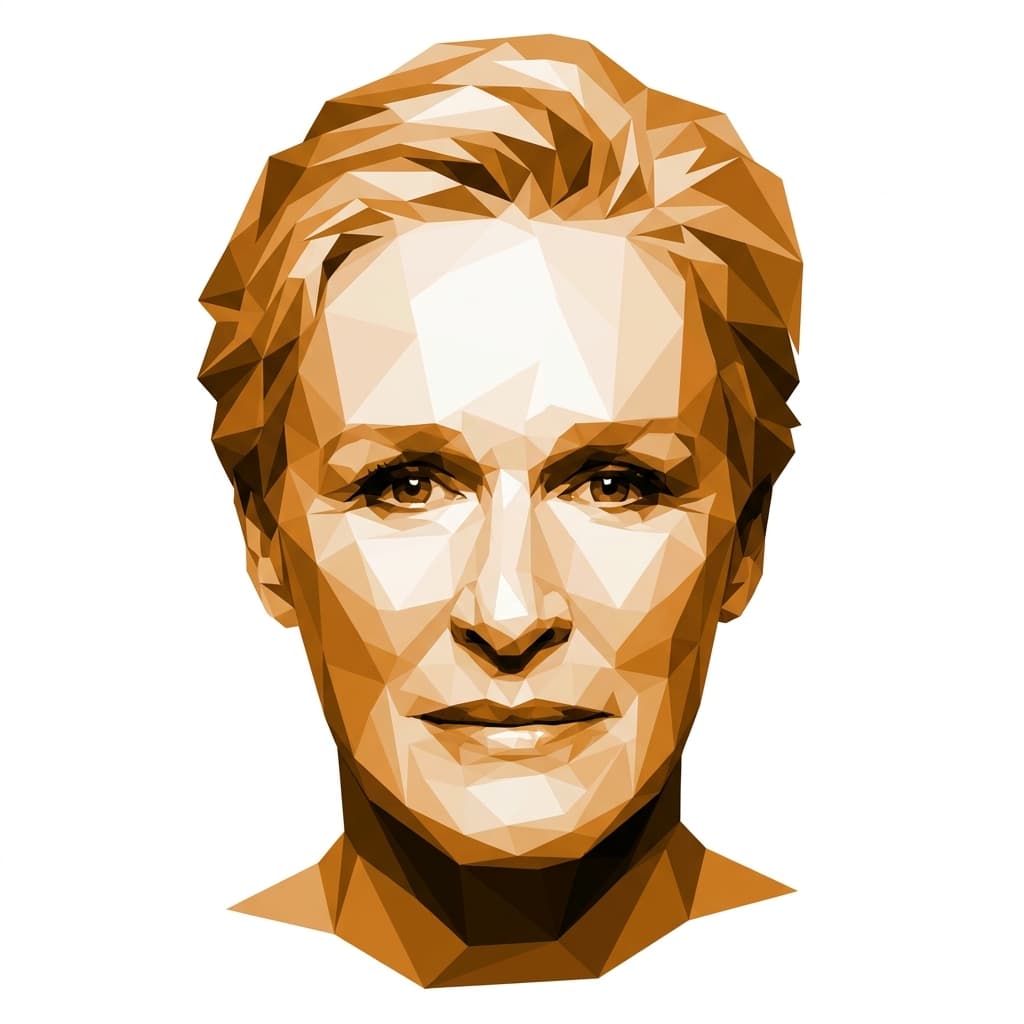
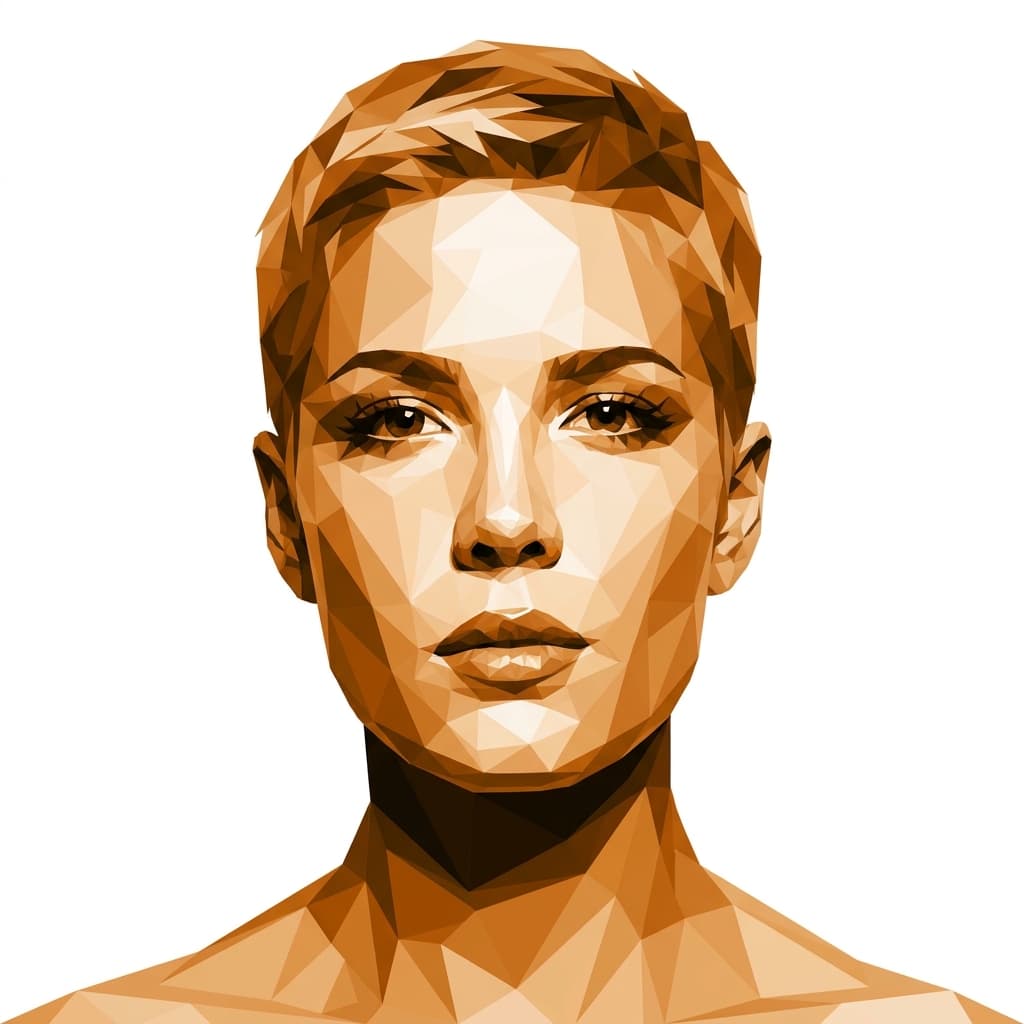
American gymnast widely regarded as the greatest of all time, with a record-breaking Olympic and World career.
Design
- Q11.4
- h12.4
- R36.3
- g18.1
- i17.1
- S54.1
- T34.1
- U6.2
- V61.2
- W25.3
- X41.1
- Y61.6
- Z34.4
Personality
- Q36.2
- h6.2
- R20.3
- g46.1
- i25.1
- S36.4
- T22.2
- U6.6
- V19.5
- W17.5
- X41.6
- Y60.4
- Z34.6
Simone Biles is a Manifesting Generator — built to move fast, master quickly, and refuse to be confined to a single lane — and her gymnastics has always looked exactly like that. She doesn't just execute skills; she invents them, lands them, and moves on to the next one. Four skills now bear her name across four apparatus, which is the official record of an athlete whose body keeps pulling her toward things no one else has tried.
Adopted by her grandparents at six after her birth mother's struggles with addiction, Biles found her way to a gym in Spring, Texas during a daycare field trip. She mimicked what the older girls were doing, a coach noticed, and a letter went home. That origin matters: she didn't pitch herself into gymnastics, she responded to something that lit up her body the first time she walked into the chalk dust. Everything after — the move to homeschooling, the World Championships debut at sixteen, the gold rush in Rio — followed that same pattern of saying yes when her gut said yes.
In Tokyo 2020, mid-competition, she withdrew from the team final with the twisties — a terrifying mid-air disorientation where the body stops knowing where it is in space. It was, on its face, a physical knowing that refused to be overridden by external pressure, and she trusted it over a stadium full of expectation. The decision drew both backlash and an enormous wave of recognition that an athlete's sensitivity to her own state — taking the time to feel rather than push through — was not weakness but the actual elite skill. She later named what she'd been carrying: the abuse she survived under former team doctor Larry Nassar, and the grief and outrage she'd refused to bury about it.
What's striking about Biles publicly is how much solo work sits underneath the visible spectacle — the years of quiet, repetitive training in Texas, the long off-seasons, the deliberate retreats from competition. Then she shows up at a Worlds or an Olympics and the community sees what's been forming in private. Her husband, NFL safety Jonathan Owens, her coaches Cecile and Laurent Landi, her teammates — these are the relationships that pull her back out and reveal what she's been quietly perfecting.
She's also become, almost reluctantly, an unmistakable voice on mental health and survivor advocacy, saying things in interviews and on social media that other athletes were thinking but hadn't found the right moment to articulate. Her testimony before the Senate Judiciary Committee about the FBI's mishandling of the Nassar investigation was delivered with a composure that didn't soften the indictment.
The Paris 2024 comeback — three more golds, a vault she could do in her sleep, a floor routine that looked like joy — was Biles operating from the raw physical engine that's powered her since she was six, but tempered now by everything she's learned about pacing the drive so it actually lasts. She's twenty-seven, the most decorated gymnast in history, and the restlessness for what's next hasn't dimmed.
Sources: biography · birth data

What do you and Simone Biles have in common?
Enter your birth details to find out