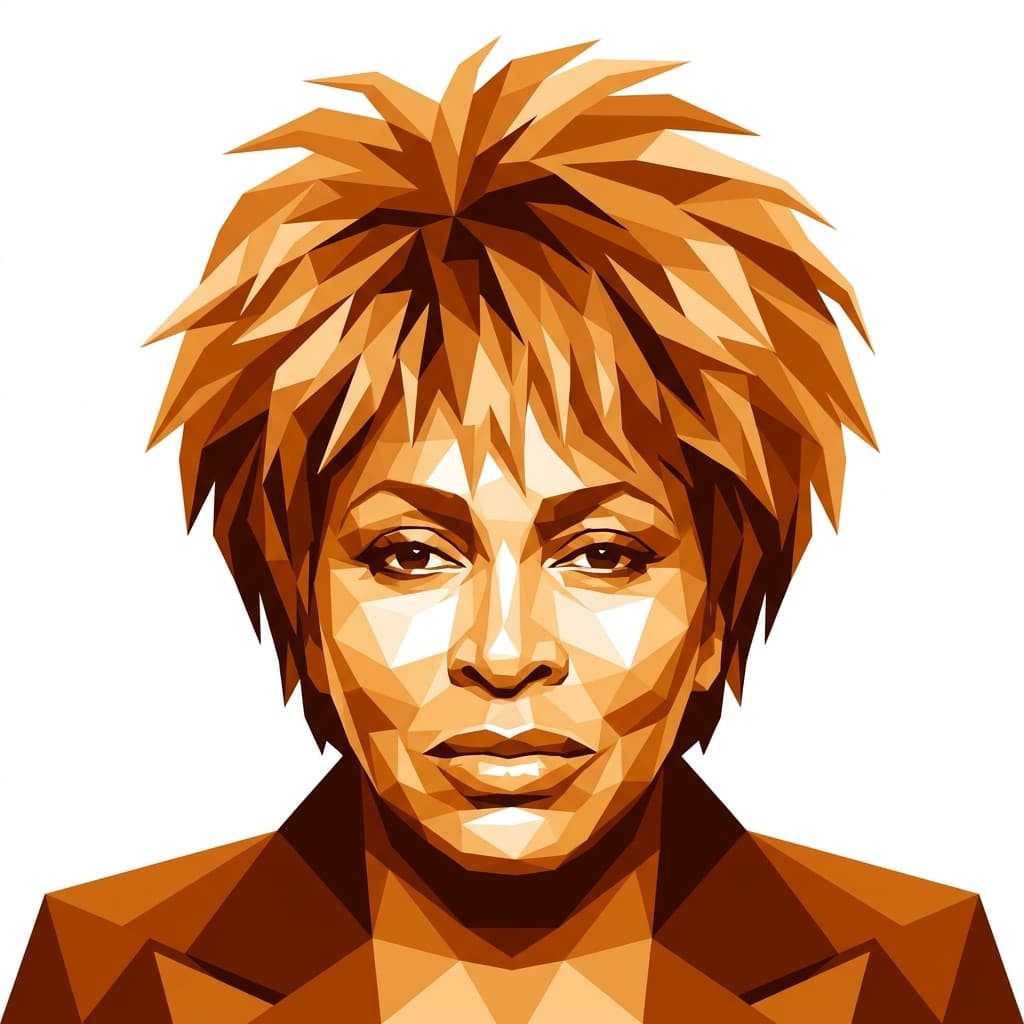
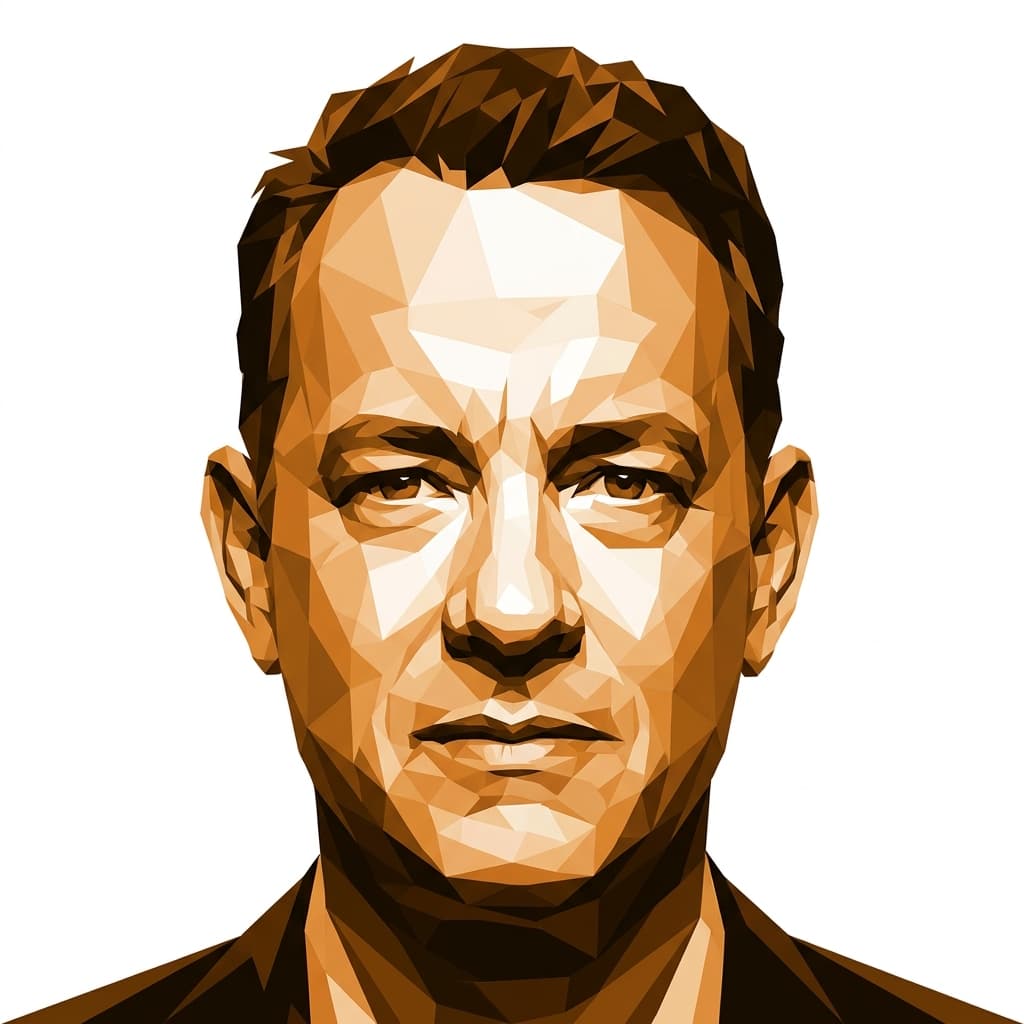
American singer-songwriter behind Badlands and Manic, known for genre-crossing pop and raw autobiography.
Design
- Q52.5
- h58.5
- R25.4
- g43.5
- i23.5
- S15.3
- T7.5
- U8.4
- V28.3
- W63.2
- X61.5
- Y61.2
- Z14.2
Personality
- Q18.3
- h17.3
- R62.4
- g1.3
- i2.3
- S50.6
- T1.2
- U56.1
- V1.2
- W37.2
- X61.2
- Y54.6
- Z14.2
Halsey — born Ashley Nicolette Frangipane in Edison, New Jersey — is a Manifesting Generator whose career reads like a person following several passions at full speed without asking permission to pick one. Before she was Halsey, she was a biracial kid in New Jersey who taught herself violin, viola, and cello, then guitar in middle school, then started writing songs on Warped Tour message boards and posting acoustic covers to Kik and Tumblr. She dropped out of community college, briefly stayed in a psychiatric hospital as a teenager, and slept on couches in New York until a song she wrote in a stranger's basement — "Ghost" — went viral on SoundCloud and drew a bidding war between labels in 2014.
That trajectory tracks with a 3/5 profile, the trial-and-error experimenter who becomes a reluctant leader for people watching her figure it out in public. Halsey has been unusually candid about her mistakes — a failed first marriage announced and then unwound within months, public feuds she later apologized for, the endometriosis surgeries, the bipolar diagnosis she discussed on Instagram before it was fashionable to. Her songwriting is essentially wisdom pulled from experiences that weren't supposed to be shared yet, which is why fans read her albums as memoirs and why she keeps taking listeners along for the ride mid-experiment.
Her creative decisions have a distinctly green-light-in-the-gut quality. She scrapped an entire version of Manic and started over. She showed up at Capitol Records with the Nine Inch Nails–produced If I Can't Have Love, I Want Power — a rock-industrial concept album about pregnancy and bodily autonomy — and made them release it. She responded to what showed up rather than plotting a five-year plan: the Chainsmokers feature that made "Closer" the song of 2016 came from a text; the BTS collab happened because she said yes at a Billboard Music Awards afterparty.
Halsey's aesthetic keeps mutating — synth-pop Badlands, dystopian Hopeless Fountain Kingdom, the sprawling Manic, the Trent Reznor rock record, the country-tinged 2024 material — which is exactly what happens when a creative refuses to niche down and when an appetite for opposite extremes drives the rhythm. She paints, publishes poetry (I Would Leave Me If I Could), launched the About-Face makeup line, and has directed her own visuals. Her voice as a public figure carries the tone of someone who spots what deserves attention before the mainstream catches up.
The through-line underneath the reinventions is a specific kind of loyalty. She's used her platform to campaign for Planned Parenthood, spoken at the Women's March, funded reproductive-health initiatives, and been openly protective of her fans in a way that reads like a real sense of duty toward the people who show up for her. She has also been public about her health scares — the leukemia and T-cell lymphoproliferative disorder diagnoses she revealed in 2024 — approaching them with an open-hearted candor that most pop stars would have PR-managed away. She keeps finding meaning through the exact struggles that were supposed to break her, and turning them into the next record.
Sources: biography · birth data
What do you and Halsey (singer) have in common?
Enter your birth details to find out