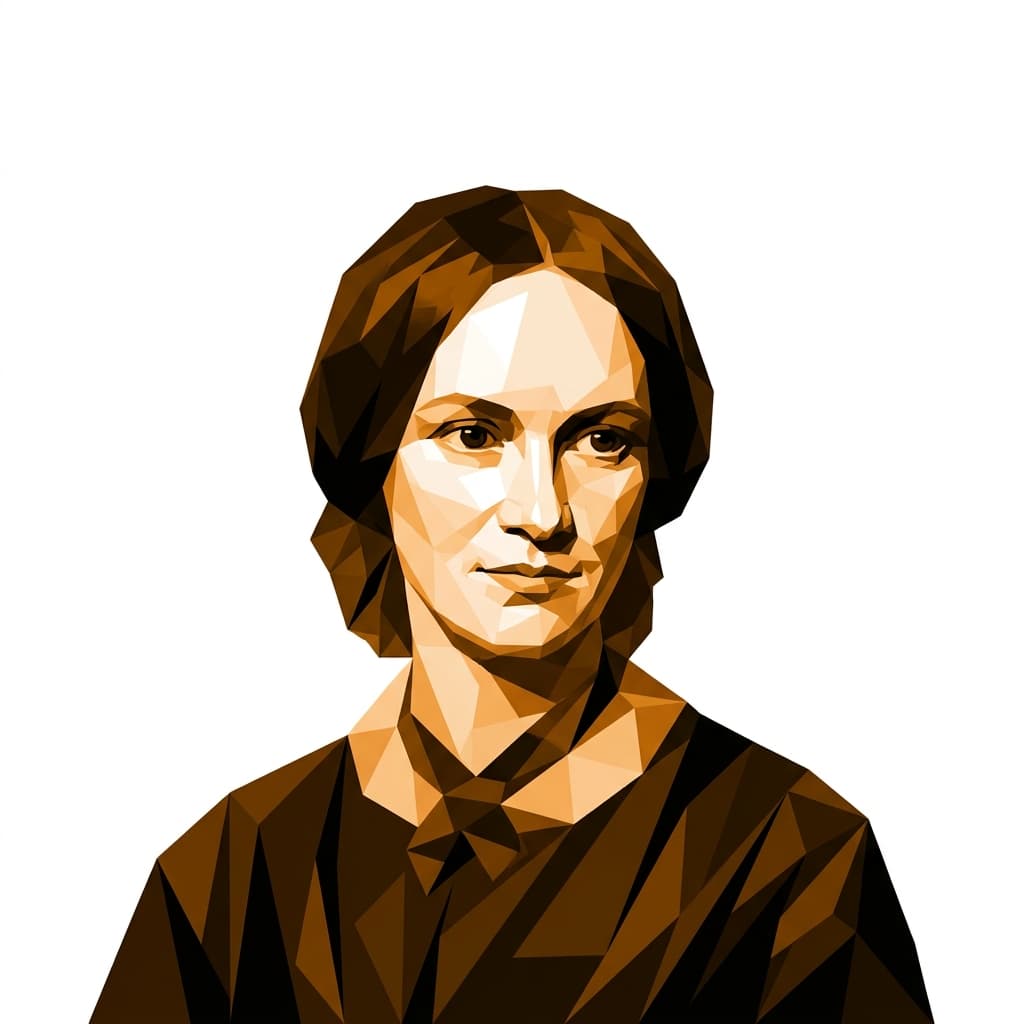
American actress known for fearless character work across stage and screen, from Fatal Attraction to Damages.
Design
- Q10.3
- h15.3
- R26.6
- g35.1
- i5.1
- S5.2
- T43.3
- U58.1
- V1.6
- W33.1
- X45.3
- Y48.2
- Z33.6
Personality
- Q25.1
- h46.1
- R49.6
- g20.6
- i34.6
- S37.5
- T13.4
- U63.1
- V14.4
- W31.1
- X45.2
- Y48.1
- Z33.4
Glenn Close is a Manifesting Generator — built for multiple careers running in parallel, and her resume reads exactly that way: Broadway, film, television, activism, all braided together with no clear hierarchy. She has never chosen between them. When a Tony seemed the natural next step, she took a season of The Shield instead. When Hollywood assumed she'd retire into elder-statesman roles, she disappeared into Damages for five years and rewired what a legal thriller could look like.
Her early life had the deep-investigation quality of a 1/3 profile — the researcher who also has to touch the stove. She spent her childhood inside Moral Re-Armament, the fundamentalist group her father moved the family into when she was seven, and she has spoken about it as the foundational trial-and-error of her life: a system she absorbed completely, then had to dismantle piece by piece. That pattern of total immersion followed by hard-won reckoning shows up in every role she builds. Alex Forrest in Fatal Attraction wasn't a villain to her; she fought the studio over the ending because she'd done the psychiatric research and knew the character deserved more than punishment.
The preparation itself is legendary — binders, dialect coaches, months of physical work — and it points to a deep well of study that she trusts only after she's tested it herself. For Albert Nobbs, a role she'd first played off-Broadway in 1982, she spent nearly thirty years trying to get the film made, co-writing the screenplay, producing it, learning to bind and walk and disappear inside the character. That's not persistence as a virtue; that's the kind of body-level knowing that won't let a thing go until it's done.
On set she's known for a quick, decisive presence — reading a scene in the moment and adjusting instantly, rewriting a line at the table read, pushing a director toward a braver choice. Meryl Streep once described her as terrifyingly prepared and then completely alive. She has the gut-level yes that other actors describe as instinct and won't fake enthusiasm for material she doesn't feel. Seven Oscar nominations, no win, and she talks about it with genuine equanimity — the wait-for-something-real-to-respond-to posture of someone who measures a career by the work, not the trophy.
Off-camera she founded Bring Change to Mind after her sister Jessie was diagnosed with bipolar disorder, and the organization has become one of the more effective mental-health advocacy groups in the country. It's a natural extension of a voice that people actually listen to when she chooses to use it, backed by the moral clarity of someone who left one belief system and had to build her own. She raises rescue dogs, keeps a farm in Bedford, and returns often to the stage — Norma Desmond, Nora, Joan of Arc — because live performance keeps her rhythms honest.
At seventy-eight she's still adding roles, still refusing the tidy summary. The variety is the point; the range is the resume.
Sources: biography · birth data
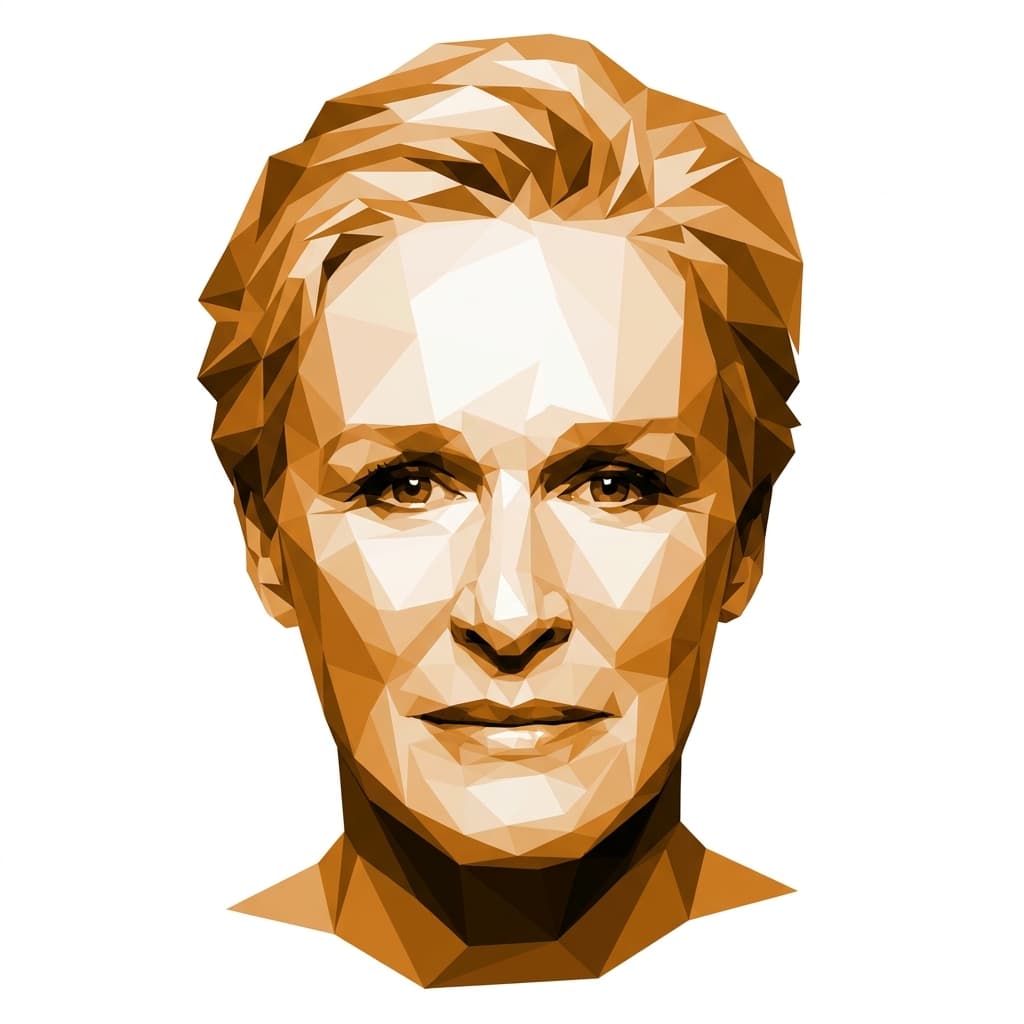
What do you and Glenn Close have in common?
Enter your birth details to find out