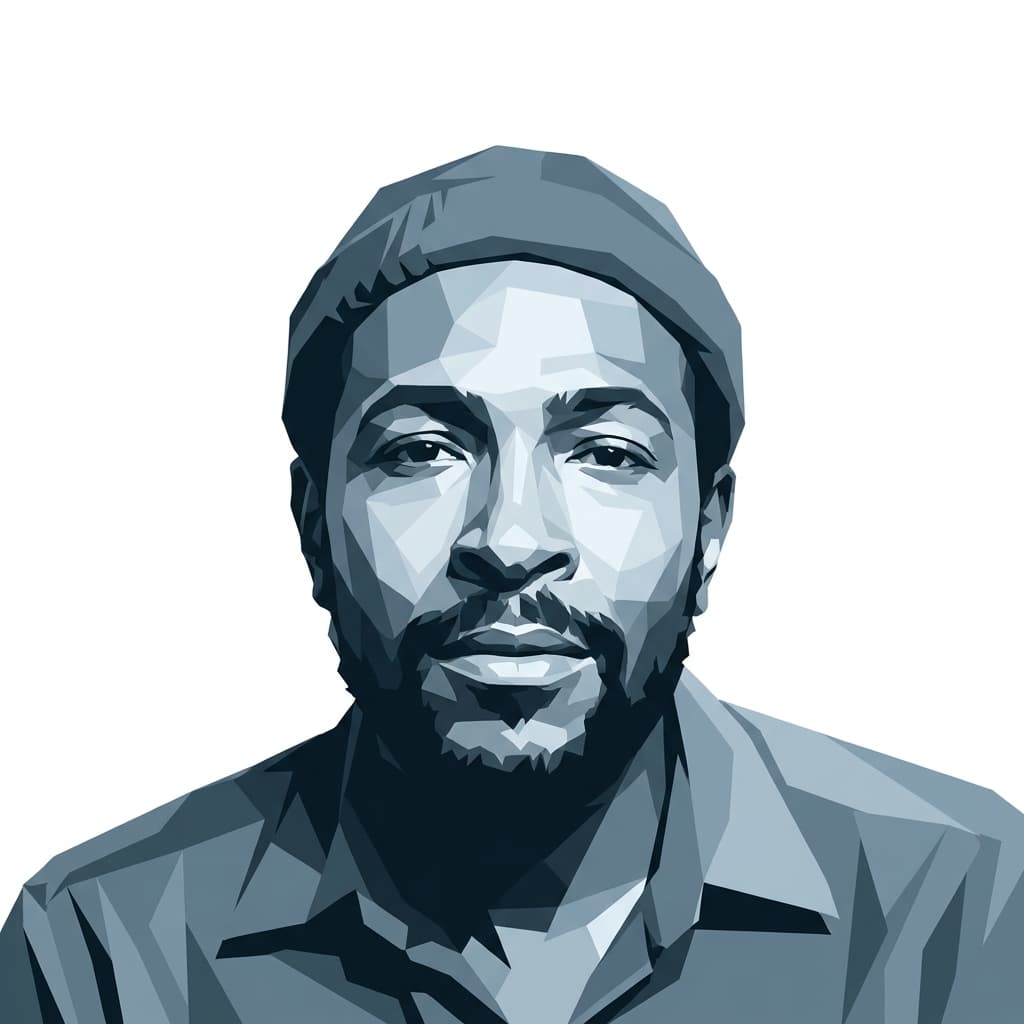
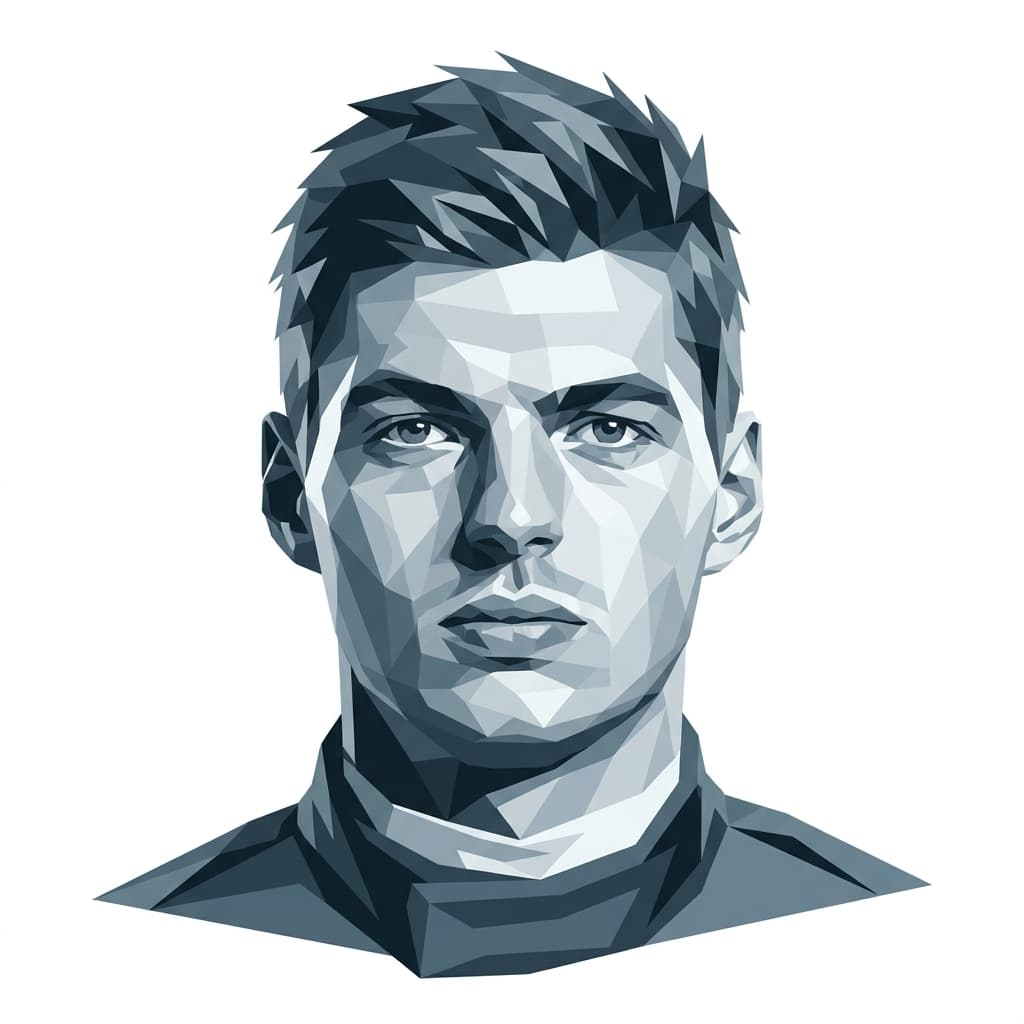
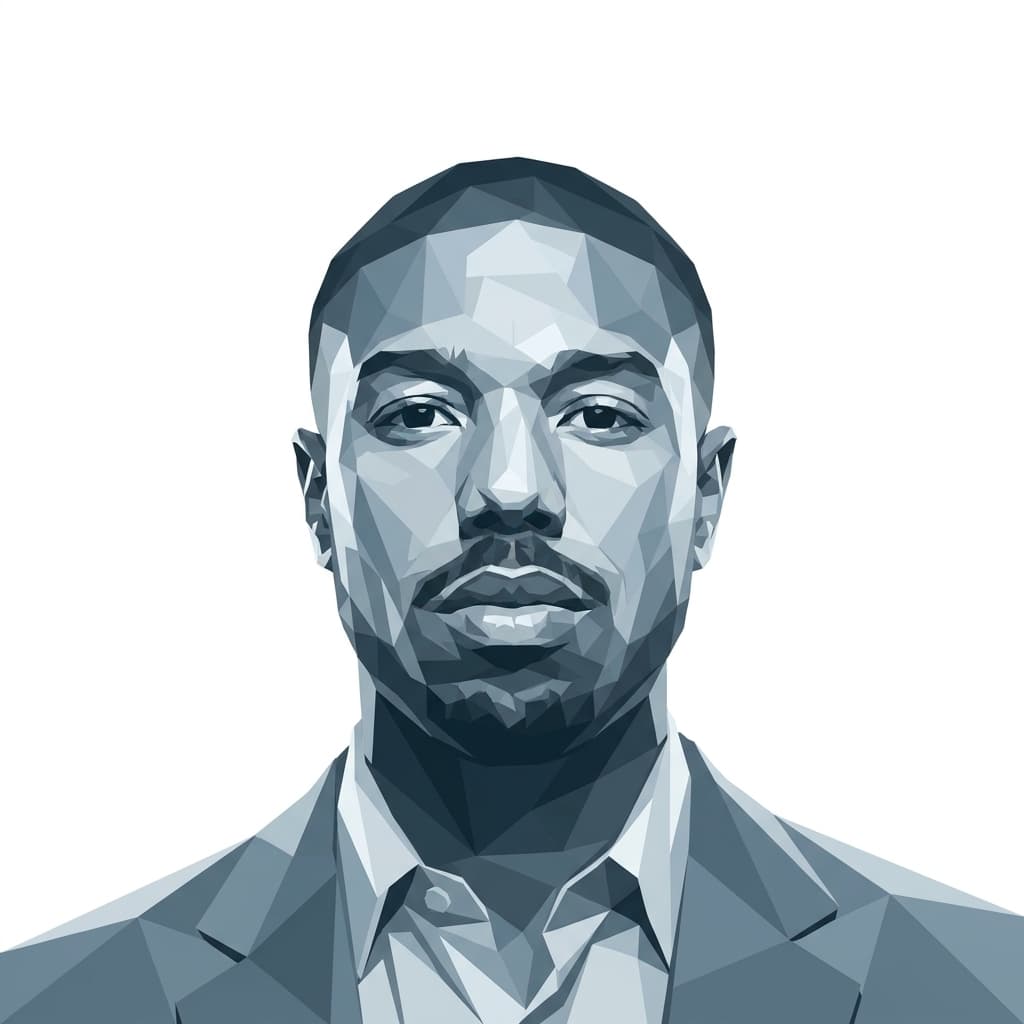
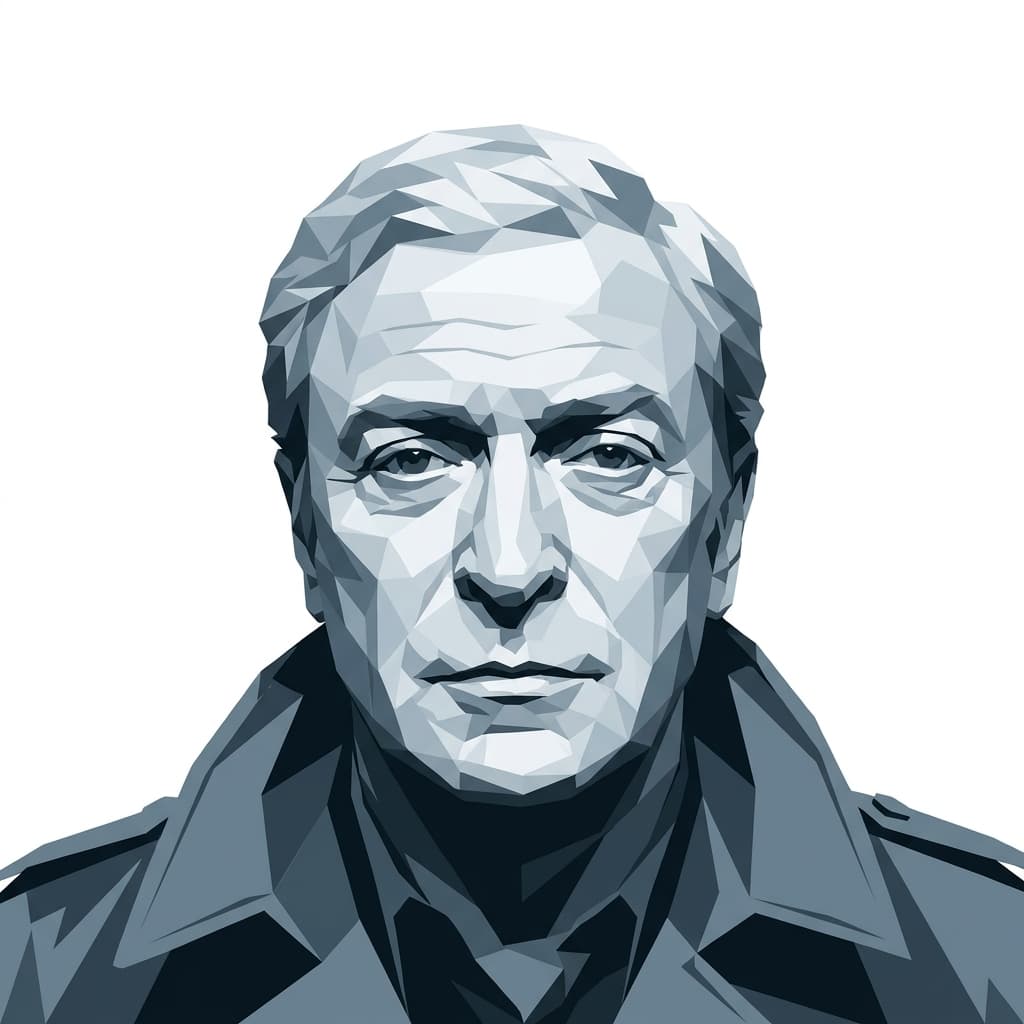
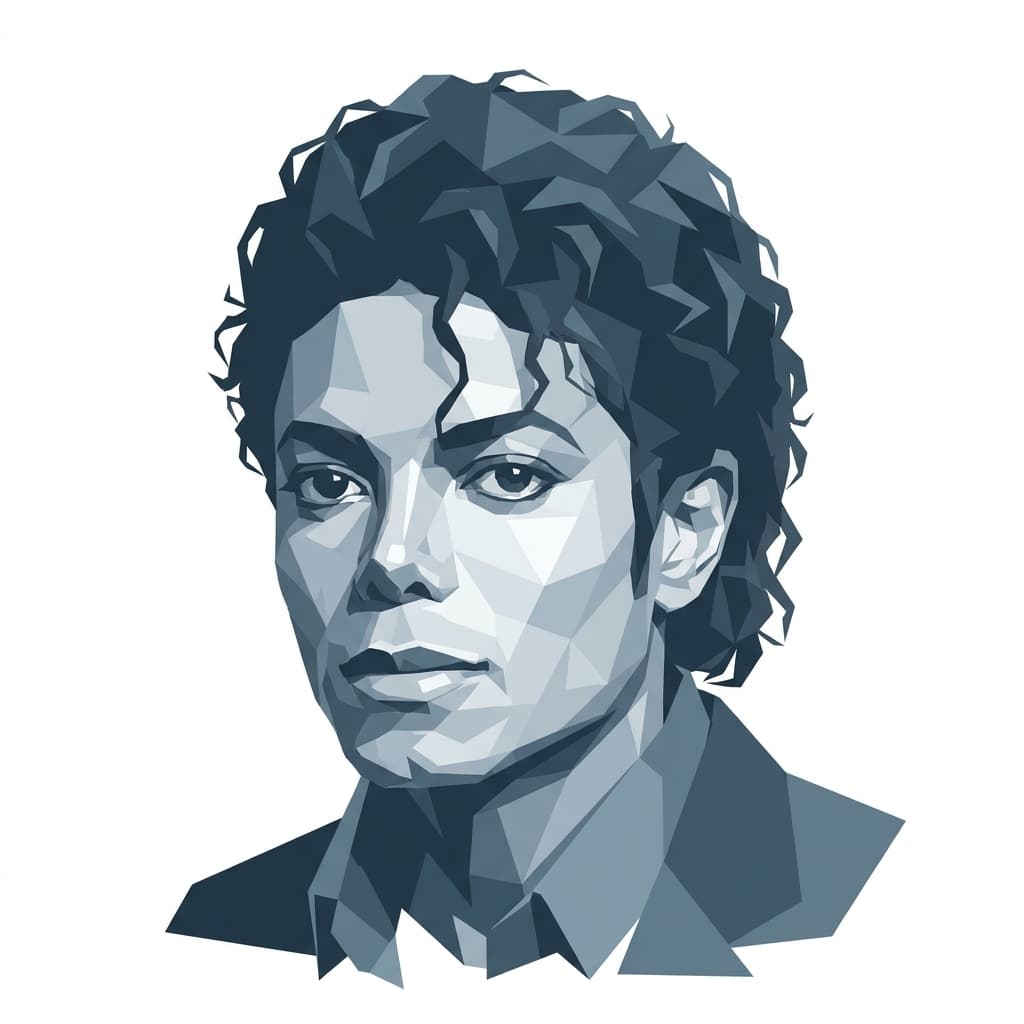
Toronto-born R&B artist who turned anonymous mixtapes into stadium pop and the Super Bowl halftime stage.
Design
- Q14.6
- h8.6
- R47.6
- g49.2
- i4.2
- S9.1
- T54.2
- U44.5
- V39.1
- W38.2
- X10.6
- Y38.2
- Z1.3
Personality
- Q30.4
- h29.4
- R1.5
- g13.4
- i7.4
- S41.5
- T61.2
- U38.4
- V15.3
- W61.1
- X58.5
- Y38.5
- Z1.5
Abel Tesfaye, who records as The Weeknd, is a Projector — the type designed to see angles others miss and steward energy rather than burn through it — which is a strange fit for a pop star until you notice how rarely he tours, how carefully he doses his appearances, and how much of his career has been built on absence. When he posted three songs to YouTube anonymously in 2010 under a name nobody could pronounce, he was doing the Projector thing on purpose: making the work visible and letting the right people find it. Drake found it. The invitation followed.
The three mixtapes that became Trilogy — House of Balloons, Thursday, Echoes of Silence — were a kid in his early twenties processing a chaotic Scarborough adolescence into something narcotized and beautiful. That's the 4/6 profile arc in compressed form: an experimental, sometimes self-destructive first act feeding directly into the role-model second act. The earlier years were the messy training ground that became the material, and he's mined them ever since — every album loops back to the same hotel rooms and the same girls and the same ache for something he can't quite name.
His decisions have the cadence of someone who sleeps on things rather than reacts in the moment. He sat on Starboy until it felt right, took years between After Hours and Dawn FM, and walked away from the Grammys entirely after the 2021 snub rather than fight it in public — then later refused to submit at all. The fight he did pick was specific and pointed: when the Recording Academy stopped feeling like an institution worth engaging with, he stopped engaging. That's a fighter choosing the battle that actually matters instead of swinging at everything.
The aesthetic project has always been about bending pop into something that feels new — the falsetto borrowed from Michael Jackson but soured, the synths borrowed from the 80s but bled out, the visuals borrowed from Lynch and Cronenberg. By After Hours he'd figured out how to make that strangeness mass-scale: "Blinding Lights" became the longest-charting Hot 100 single in history, and the red-jacket, bandaged-face character became a tastemaker's instinct for what deserves the spotlight. The 2021 Super Bowl halftime show — staged almost entirely without guests, in a hall of mirrors he reportedly poured $7 million of his own money into — was a Projector's idea of a stadium moment: tightly controlled, deeply seen.
He's said he wants to retire the name. Dawn FM and Hurry Up Tomorrow were structured as a closing trilogy, and the Idol HBO show was an attempt at stepping into a different kind of recognition entirely — film, ownership, XO as a label. Whether or not he actually puts the moniker down, the move tracks: he's been restless for the next chapter since the last one was barely finished, and he's the kind of artist who commits hard once he's said yes, then has to extract himself carefully. The work that comes next will probably look less like pop and more like a quieter sort of authorship — visible when he wants to be, and not before.
Sources: biography · birth data
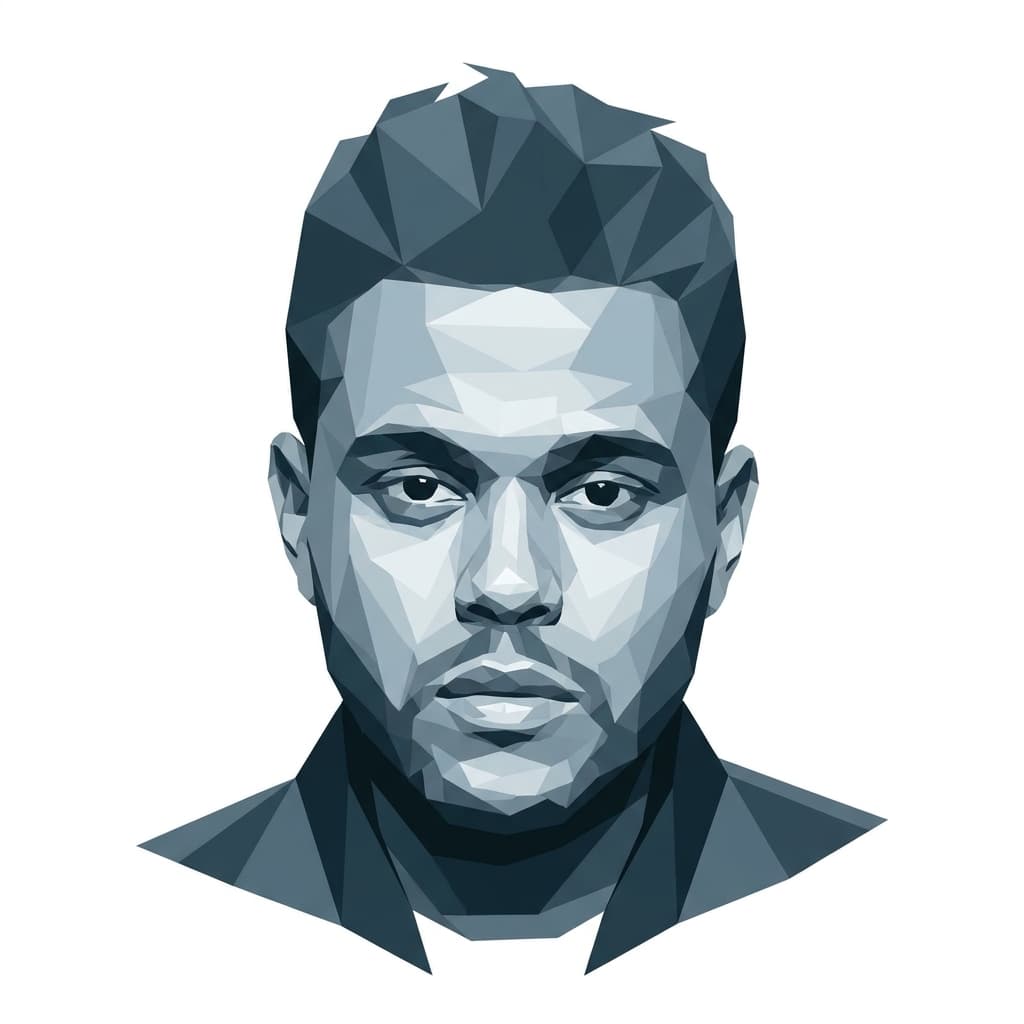
What do you and The Weeknd have in common?
Enter your birth details to find out