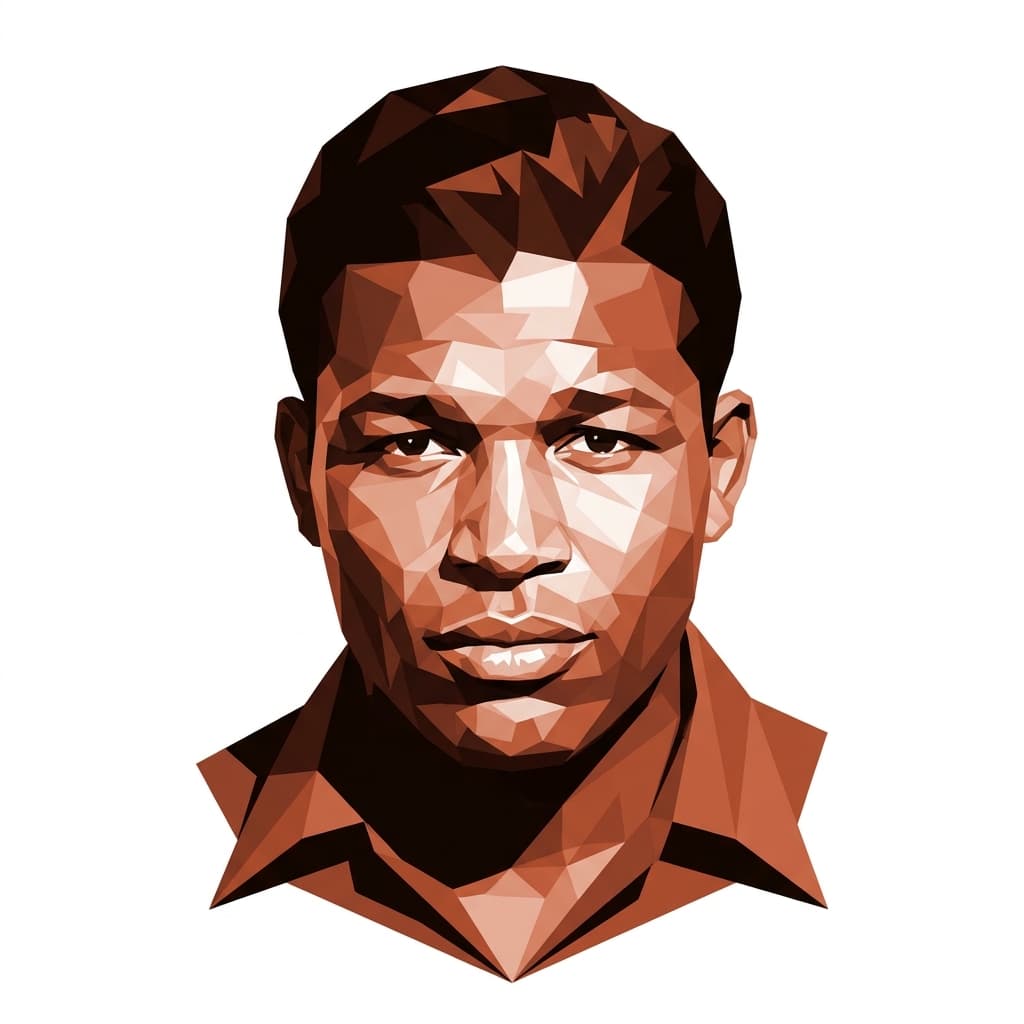
French Romantic novelist, poet, and political exile who wrote Les Misérables and The Hunchback of Notre-Dame.
Design
- Q9.5
- h16.5
- R32.2
- g36.5
- i6.5
- S14.1
- T1.2
- U14.3
- V59.6
- W40.2
- X18.3
- Y43.2
- Z55.4
Personality
- Q37.3
- h40.3
- R11.3
- g22.4
- i47.4
- S36.3
- T55.3
- U60.5
- V29.6
- W59.4
- X18.3
- Y43.3
- Z55.6
Victor Hugo was a Generator — built for enormous, sustained output when the work genuinely lit him up, and the sheer physical volume of what he produced across seven decades reads exactly like a body running on aligned fuel. He wrote before dawn standing at a lectern, took long walks, wrote again after lunch, and kept it up through revolutions, exiles, and the deaths of nearly everyone he loved. Poems, novels, plays, political speeches, thousands of drawings — the stamina to dive deep and master whatever caught him was almost embarrassing to his contemporaries, who watched him produce in a year what took them a decade.
His 3/5 profile — the experimenter who becomes a public problem-solver — maps onto his career with unusual precision. He started as a royalist prodigy crowned by the Académie, swung toward liberal Romanticism with the riotous 1830 premiere of Hernani, drifted into bourgeois respectability under Louis-Philippe, then reinvented himself again as the exiled conscience of the Republic. Each phase looked like failure or betrayal to someone; each phase was wisdom built through the experiment, not before it. By the time he returned to Paris in 1870, the country projected onto him the role of national sage — a very 5-line arrival — and he mostly let them.
Hugo was famously, exhaustingly emotional, and his Emotional Authority shows up in how long his big decisions took to ripen. Les Misérables gestated for seventeen years. His decision to refuse Napoleon III's amnesty and stay in exile on Guernsey — "When liberty returns, I will return" — was not an impulse but a position he sat with through wave after wave of homesickness. He kept a séance table in his exile house and spent nights transcribing conversations with the dead, riding emotional waves until something like clarity emerged. The grief over his drowned daughter Léopoldine never resolved; it fed the work instead.
The texture of his output is the pure overflow of a mind that cannot stop generating images, paired with an instinct to stand utterly apart as an original. Hugo did not write like anyone else and did not want to. He also did not, temperamentally, wait for invitation before delivering his critique of the age — his open letters to emperors and executioners are some of the most withering documents of the nineteenth century. When he did wait, when he let a book like Notre-Dame de Paris accumulate before pouncing, the results reshaped entire fields; his novel single-handedly saved Gothic architecture in France.
Underneath the public colossus was a man who ran on deep, chosen intimacy with a very small circle — his mistress Juliette Drouet for fifty years, his children, a few loyal friends — and who needed community as the ground of his political vision. He believed, stubbornly and against considerable evidence, that human beings could be organized into fraternity. When he died in 1885, two million people followed his coffin to the Panthéon: proof, of a kind, that the aligned Generator's satisfaction really does light up the room, even when the room is a country.
Sources: biography · birth data
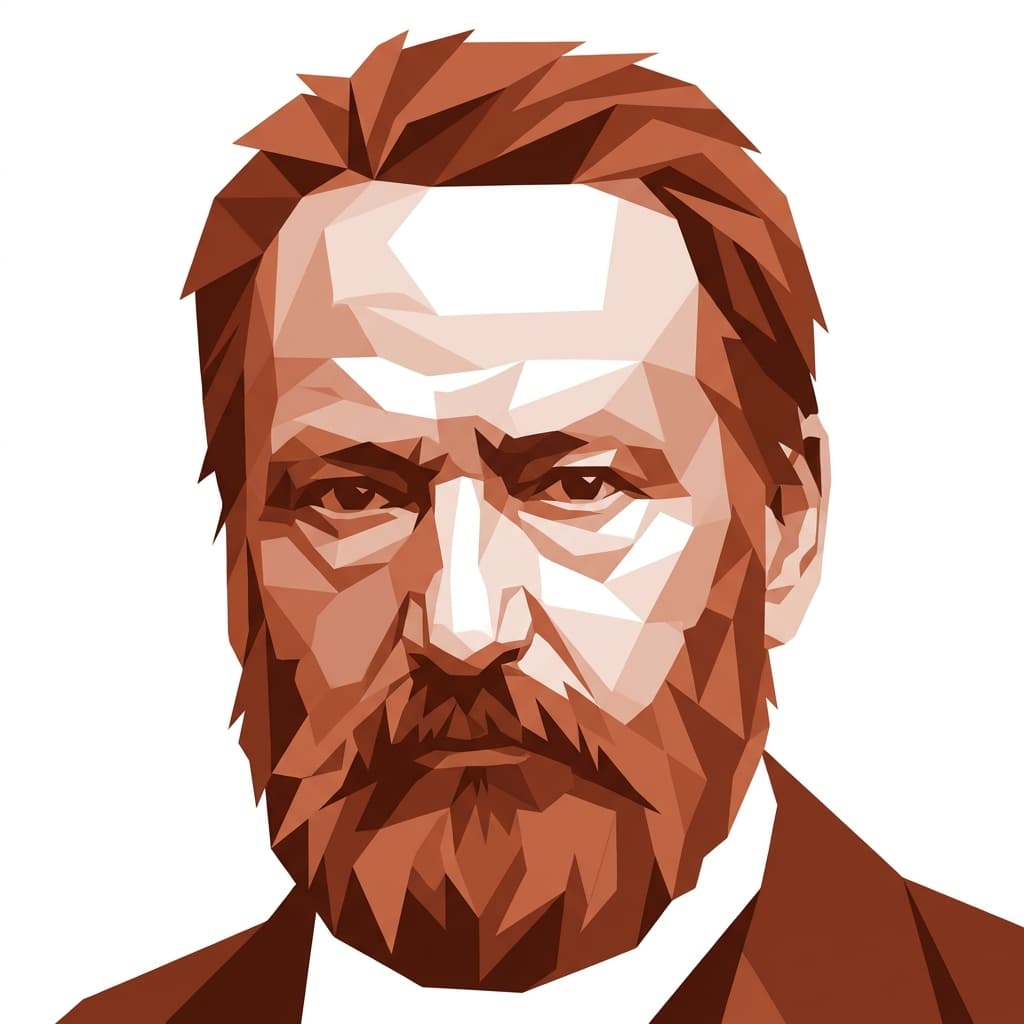
What do you and Victor Hugo have in common?
Enter your birth details to find out