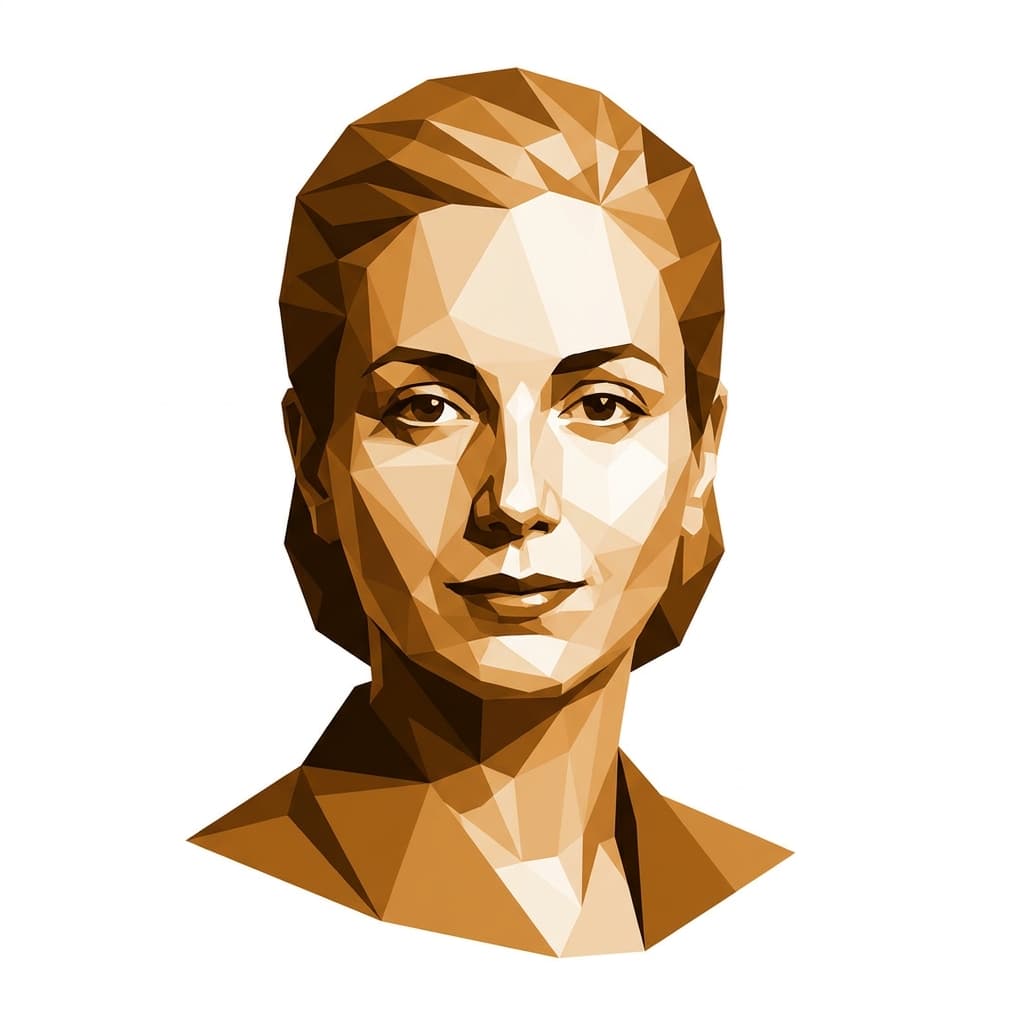
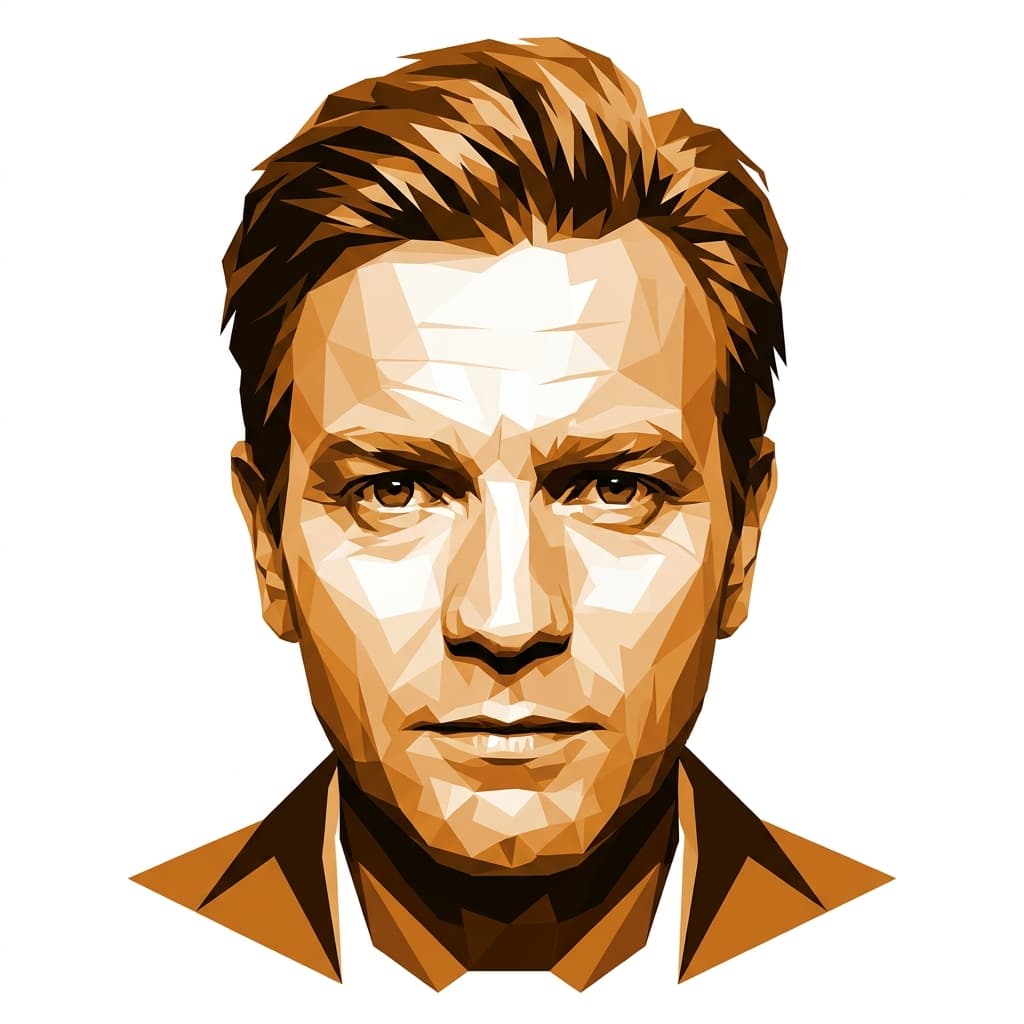
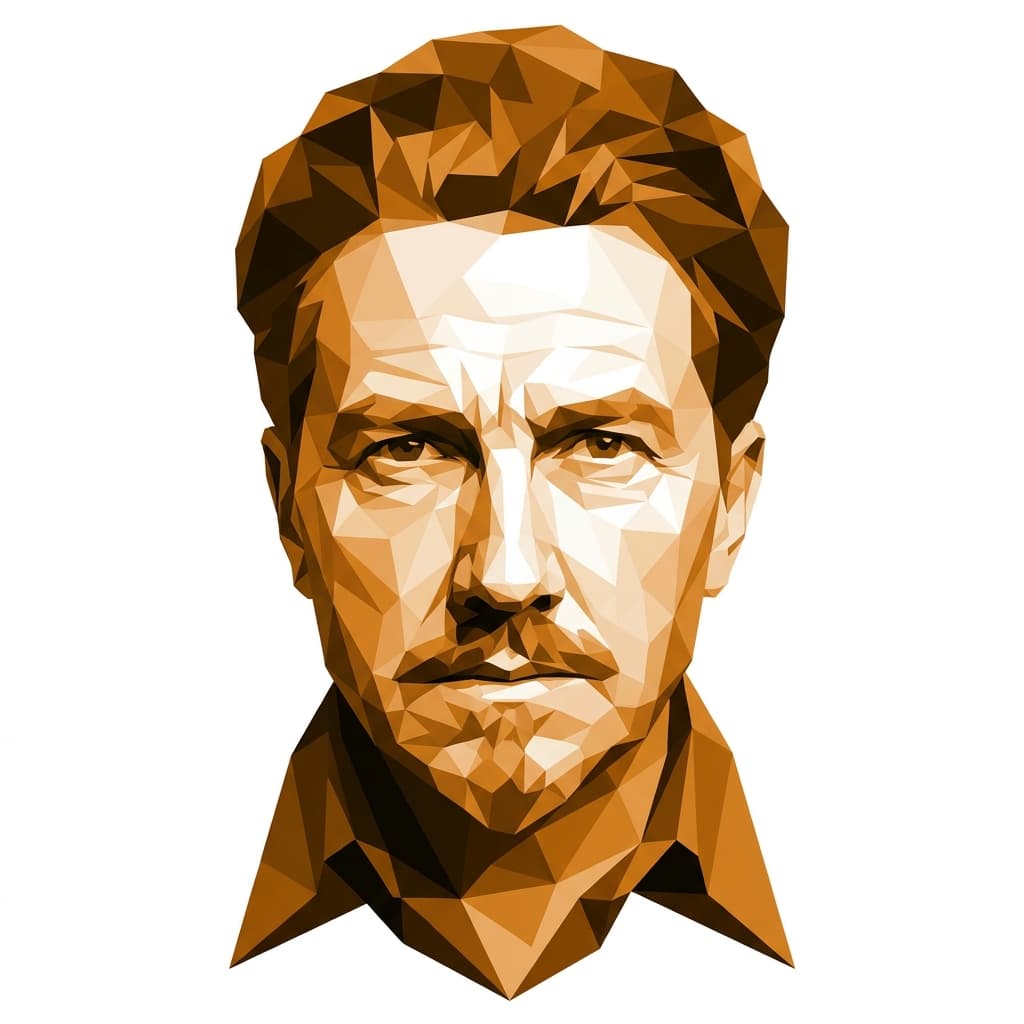
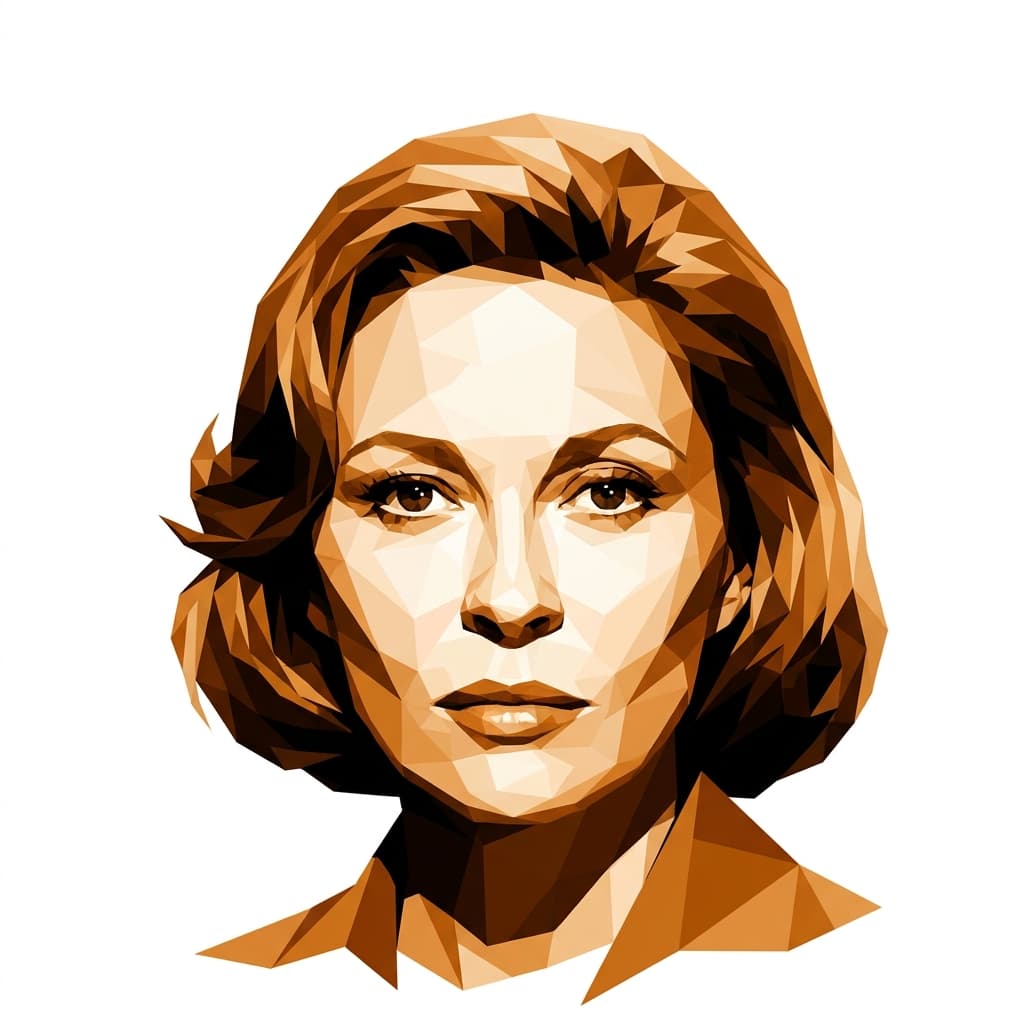
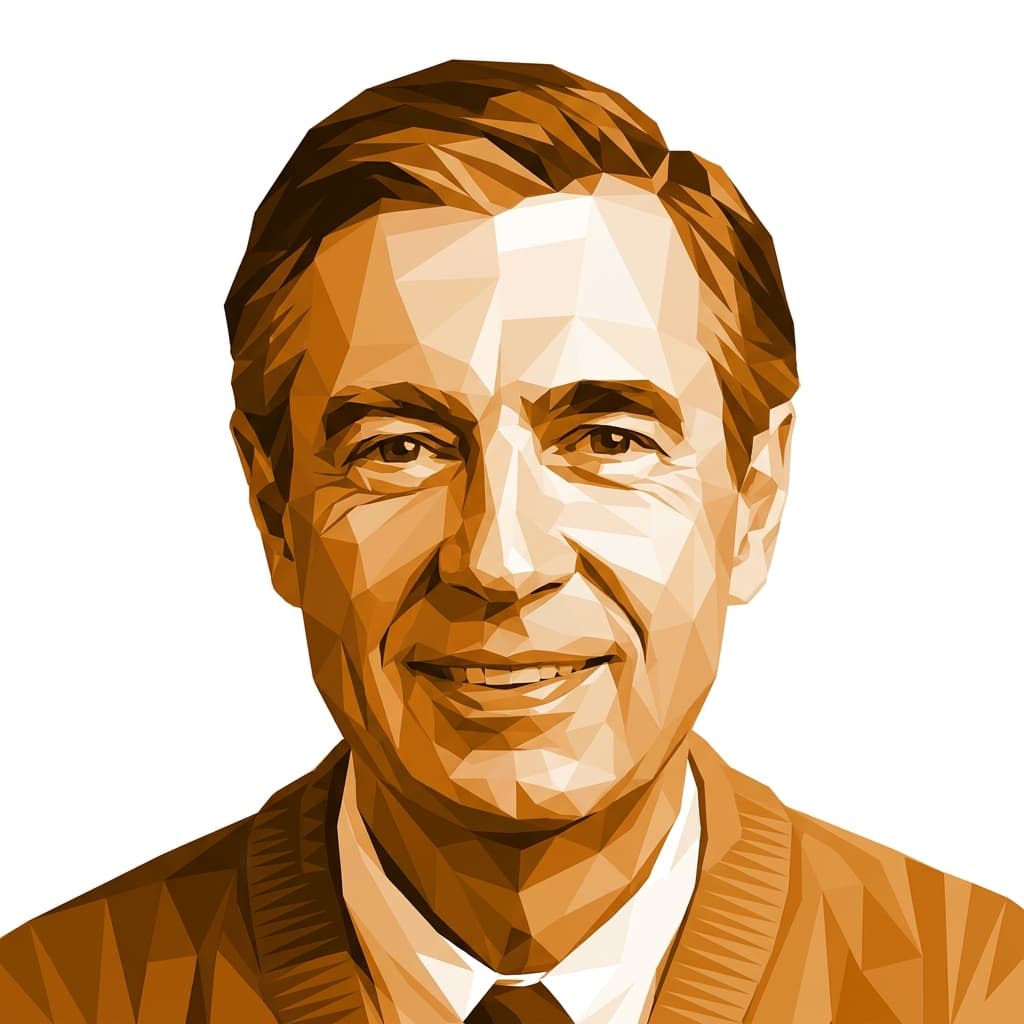
Japanese avant-garde artist, musician, peace activist, and lifelong collaborator of John Lennon.
Design
- Q34.2
- h20.2
- R46.6
- g63.3
- i64.3
- S26.4
- T32.6
- U59.5
- V47.4
- W60.5
- X51.6
- Y40.5
- Z62.3
Personality
- Q30.6
- h29.6
- R9.6
- g37.3
- i40.3
- S37.3
- T13.1
- U64.5
- V47.4
- W19.3
- X51.6
- Y40.4
- Z62.1
Yoko Ono is a Manifesting Generator — built to move fast across multiple disciplines without ever choosing just one — and her seven-decade career reads like exactly that: conceptual art, film, poetry, music, activism, curation, and motherhood all running in parallel, none of them relinquished. Born into a wealthy Tokyo banking family in 1933, she spent her childhood shuttled between Japan and the United States, then lived through the firebombing of Tokyo scavenging for food with her siblings. That early scramble seems to have set her lifelong pattern of treating constraint as an invitation to invent.
By the early 1960s she was hosting concerts in her Chambers Street loft in downtown Manhattan, alongside La Monte Young, and became a central figure in Fluxus. Her Instruction Paintings and 1964 book Grapefruit proposed art as directive — "Draw a map to get lost" — and Cut Piece, in which she sat motionless while audience members snipped her clothing away, remains one of the defining performances of the century. It required the kind of nerve that rewrites what an audience thinks is possible and a stillness precise enough to make strangers uncomfortable with their own hands.
Her 6/2 profile — the role model who needs long stretches of solitude to develop what comes naturally — helps explain a woman who has been simultaneously world-famous and famously private since 1969. She meets John Lennon in 1966 when he climbs a ladder in her Indica Gallery show to read the tiny word YES through a magnifying glass; within three years they are married, recording Two Virgins, and staging the Bed-Ins for Peace in Amsterdam and Montreal. She said yes to the whole entanglement without needing to see where it led, and she absorbed a decade of public loathing — blamed for breaking up the Beatles, mocked for her voice — with a composure that only later read as vindication.
As a musician she was decades early. Plastic Ono Band (1970) and Fly (1971) predate punk, no wave, and Bikini Kill's vocal experiments; Kim Gordon, Thurston Moore, and the B-52s eventually named her openly as a source. She made records nobody had asked for and waited for the culture to catch up, and her willingness to sit with the emotional wave until the decision felt clean shows up in the years-long gaps between projects and the sudden bursts of output that follow.
After Lennon's murder outside the Dakota in December 1980, she raised their son Sean alone, managed the estate, and kept working — Season of Glass, the Strawberry Fields memorial in Central Park, the Imagine Peace Tower in Iceland lit each year on Lennon's birthday. She has used her platform and money with a negotiator's clarity, funding peace campaigns, hunger initiatives, and John Lennon scholarships. In her nineties she still tends the community around Lennon's legacy without letting it consume her own, issuing tweets that read like Fluxus scores — "Imagine peace" — and choosing when to appear and when to disappear with the discipline of someone who long ago decided the work would outlast the noise.
Sources: biography · birth data
What do you and Yoko Ono have in common?
Enter your birth details to find out