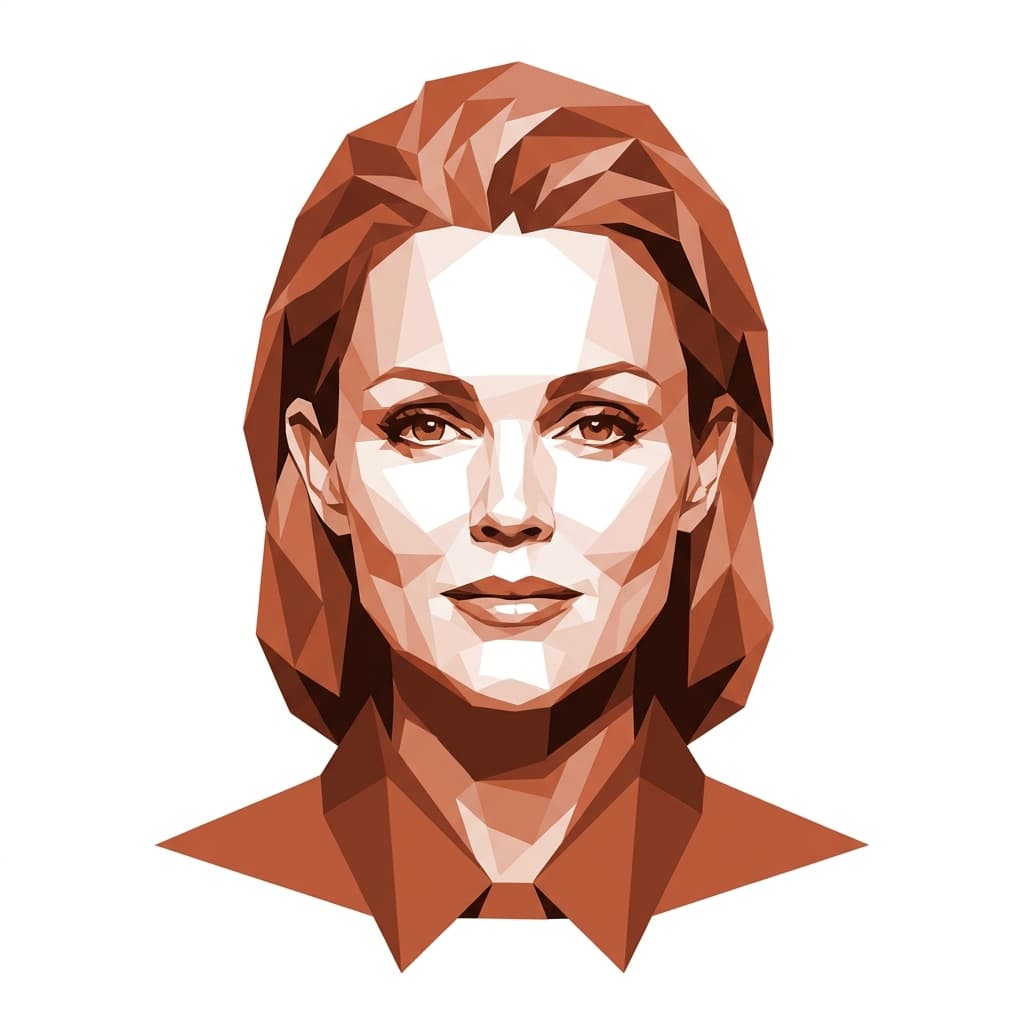
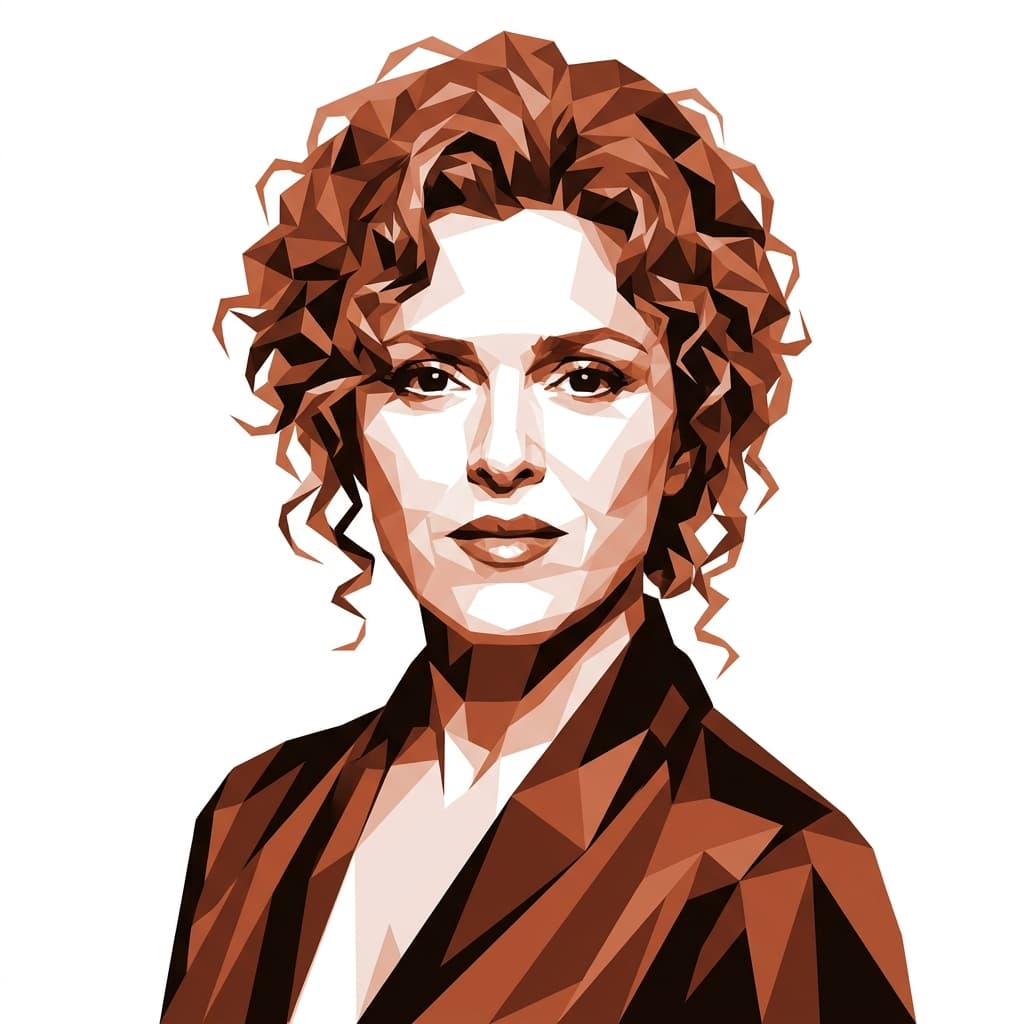
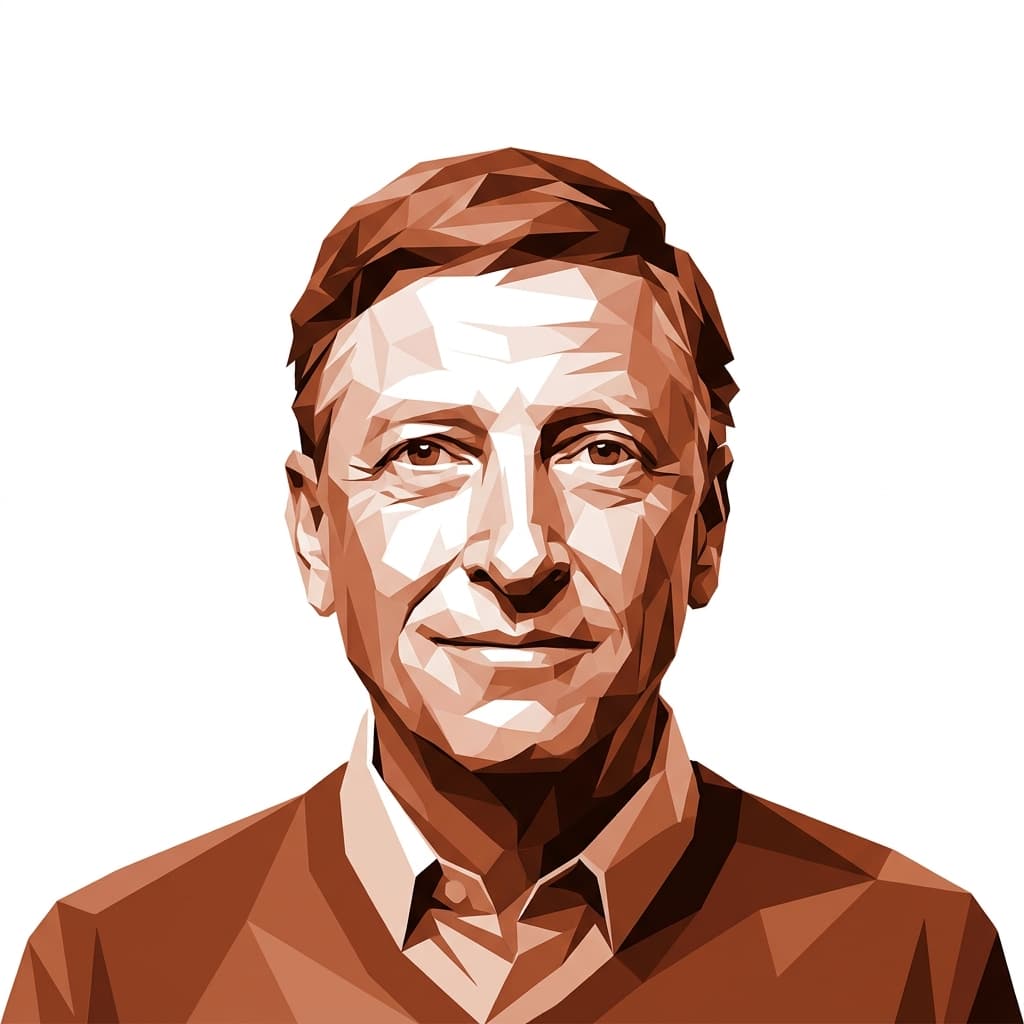
Welsh actor of extraordinary range, from Hannibal Lecter to Pope Benedict, known for stillness and precision.
Design
- Q48.2
- h21.2
- R57.2
- g9.2
- i16.2
- S6.3
- T64.1
- U10.6
- V54.4
- W25.3
- X24.6
- Y47.3
- Z56.4
Personality
- Q58.6
- h52.6
- R11.2
- g9.1
- i16.1
- S58.3
- T10.3
- U37.2
- V41.1
- W25.1
- X24.3
- Y47.5
- Z56.4
Anthony Hopkins is a Generator — built with the deep, sustainable stamina to sit inside a role for months and emerge having consumed it, line by line, breath by breath. He came out of Port Talbot, a working-class Welsh steel town, on the last day of 1937, a solitary and academically indifferent kid who found his way into piano before he found his way into acting. He has said, more than once, that he felt like an outsider his whole life. That's a 6/2 profile talking — the role model who needs long stretches of solitude to become whoever it is he's becoming.
His early years followed the classic 6/2 chaos: RADA, the National Theatre under Olivier, a hard drinking problem, a walkout mid-run from Macbeth in 1973, years of instability in Los Angeles doing television work he mostly disliked. He got sober in December 1975 and has counted the days since. What looks in retrospect like a period of experimentation and mess was really the raw material he'd later draw on — the messy years quietly stockpiling wisdom he'd need for the second half of the career.
Then came the middle phase, and the roof came off. Hannibal Lecter in The Silence of the Lambs (1991) was about sixteen minutes of screen time and won him the Oscar. What he did with Lecter was almost purely a stillness exercise — barely blinking, the voice pitched somewhere between silk and scalpel. That's the capacity to focus every cell on one point meeting a gut-level yes about exactly how much to give and when. He famously memorizes his lines by reading a script two hundred times or more, until the words are so absorbed he can appear to be thinking of nothing at all. It's mastery built by outrageous, unglamorous repetition.
He's picked roles the way a Generator is meant to — waiting for something to arrive and light him up rather than chasing prestige. Nixon, C.S. Lewis, John Quincy Adams, Pope Benedict, King Lear, and eventually the widowed father in The Father (2020), for which he won his second Oscar at 83. He turned down as much as he took, often on instinct alone, and has spoken with some bemusement about actors who overthink the work. His own approach is more childlike — an almost innocent trust that the character will arrive if he stays out of its way.
Off-camera he paints, composes music (a waltz of his was recorded by André Rieu), and posts videos of himself dancing with his cat to his million-plus Instagram followers. He lives quietly in Malibu with his third wife, Stella, and has been publicly estranged from his only daughter for decades — a fact he discusses with unusual, sometimes uncomfortable candor. He tends to say only what he actually means, and doesn't perform warmth he doesn't feel. The stories he does tell — about drinking, about the father who never quite saw him, about surviving — carry the weight of someone who's lived long enough to look back without flinching.
In interviews now he sounds like the wise elder the 6/2 was always heading toward: bemused, grateful, a little haunted, quietly certain that the whole thing was luckier than he deserved. He seems, at 87, to have finally believed it.
Sources: biography · birth data
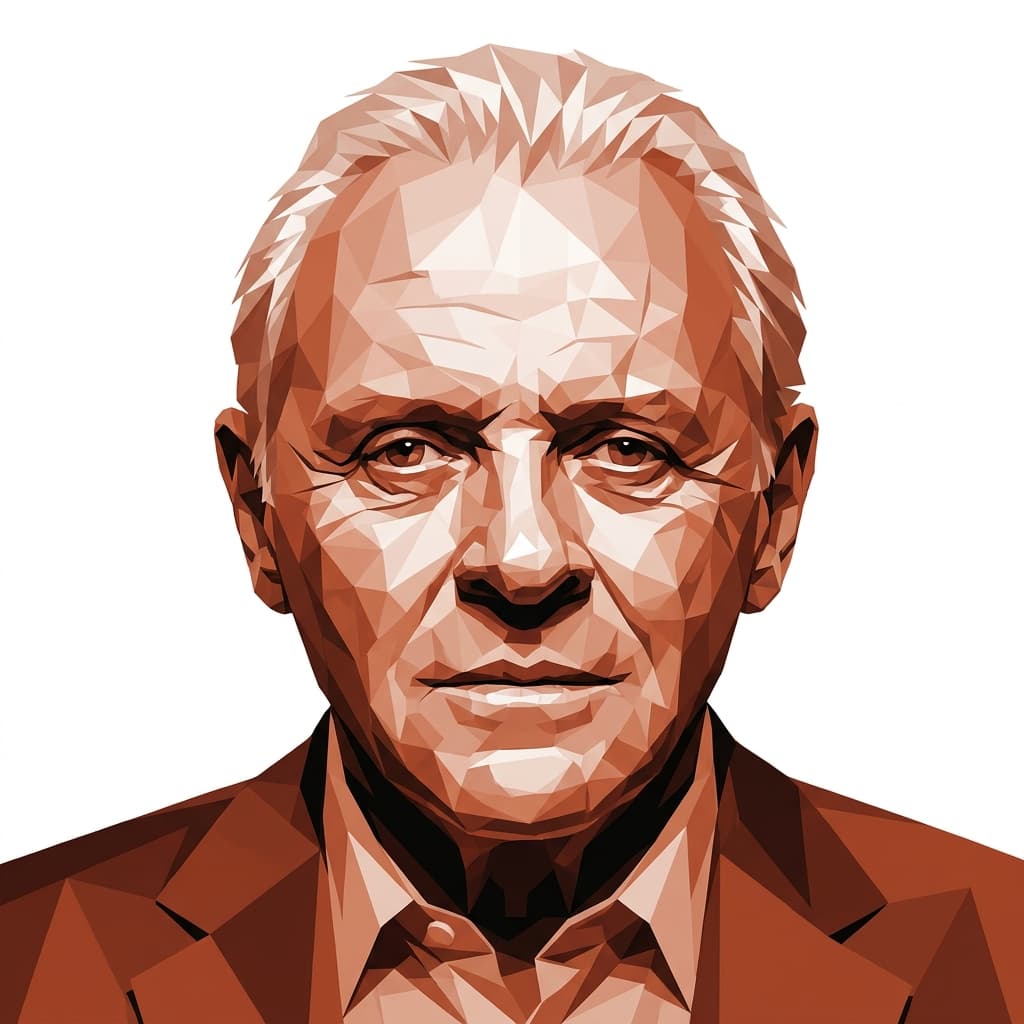
What do you and Anthony Hopkins have in common?
Enter your birth details to find out