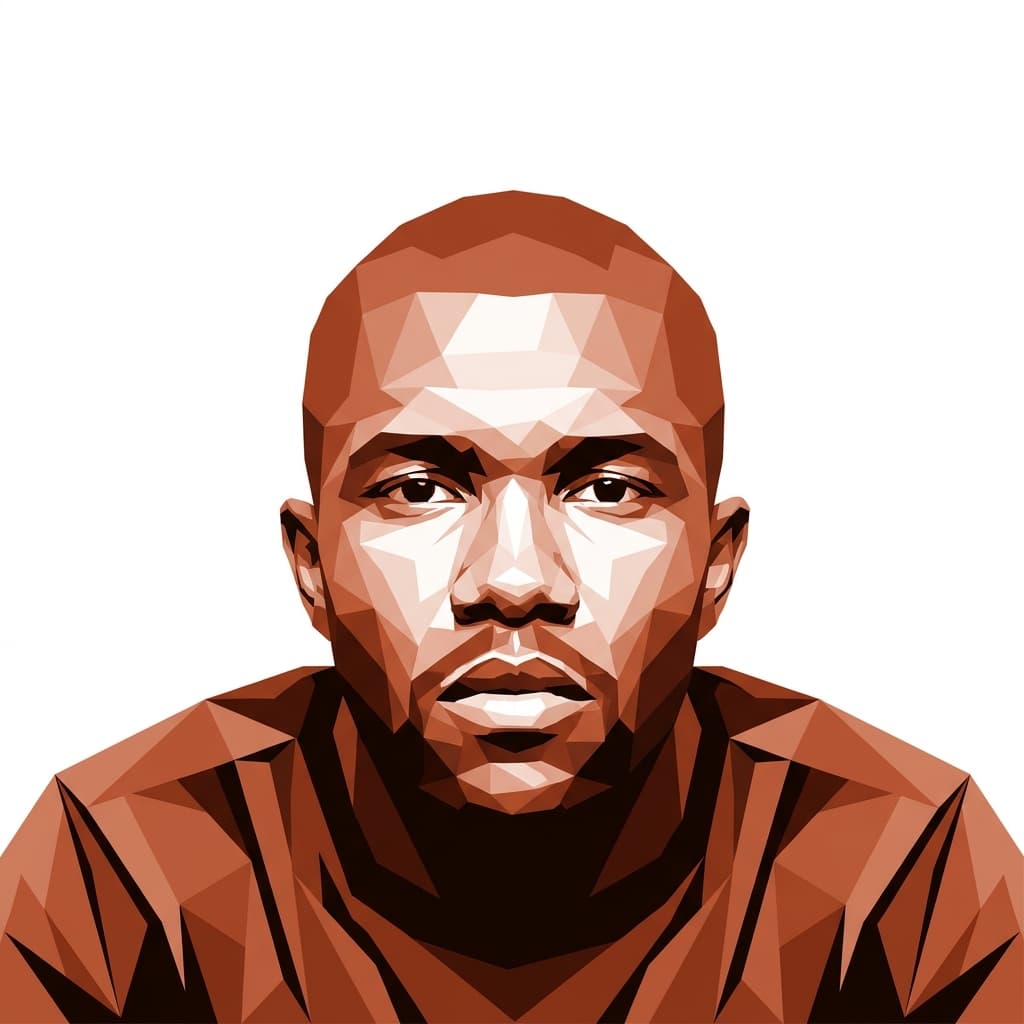
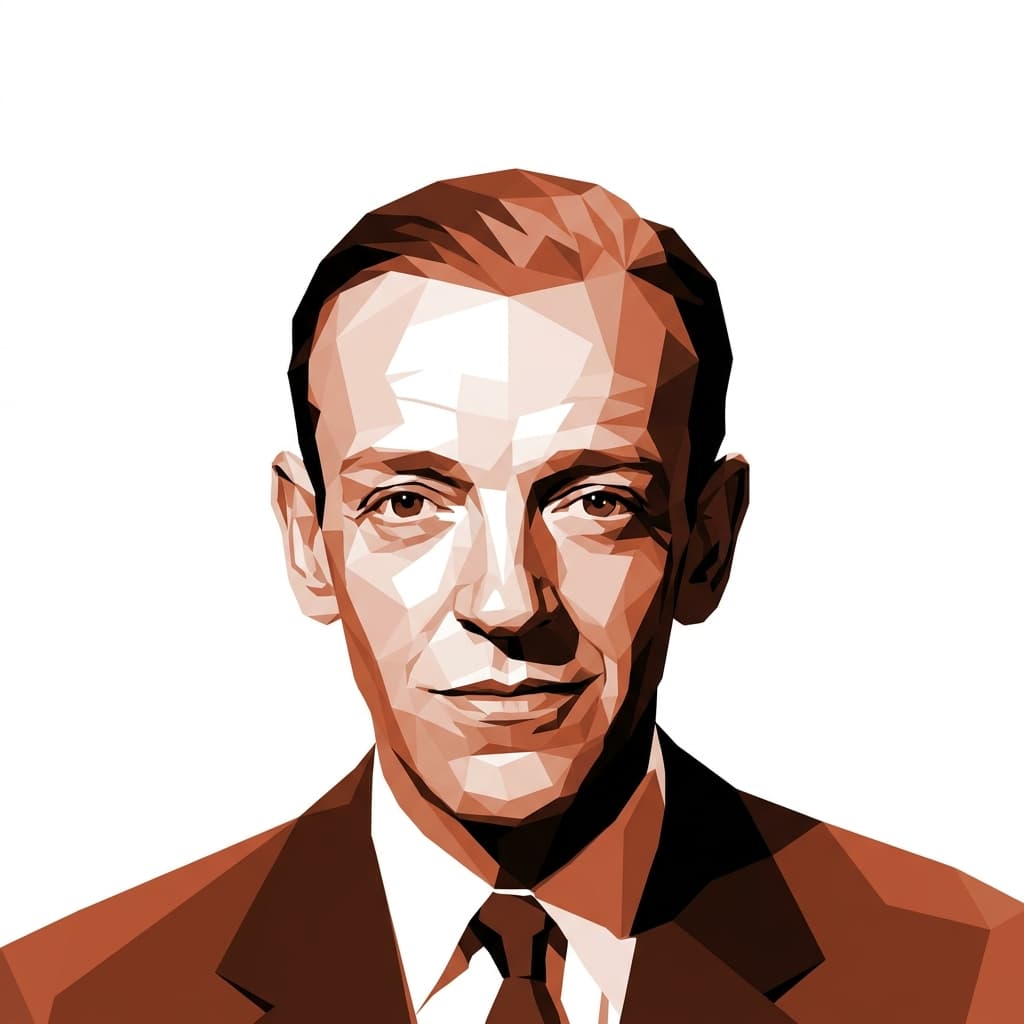
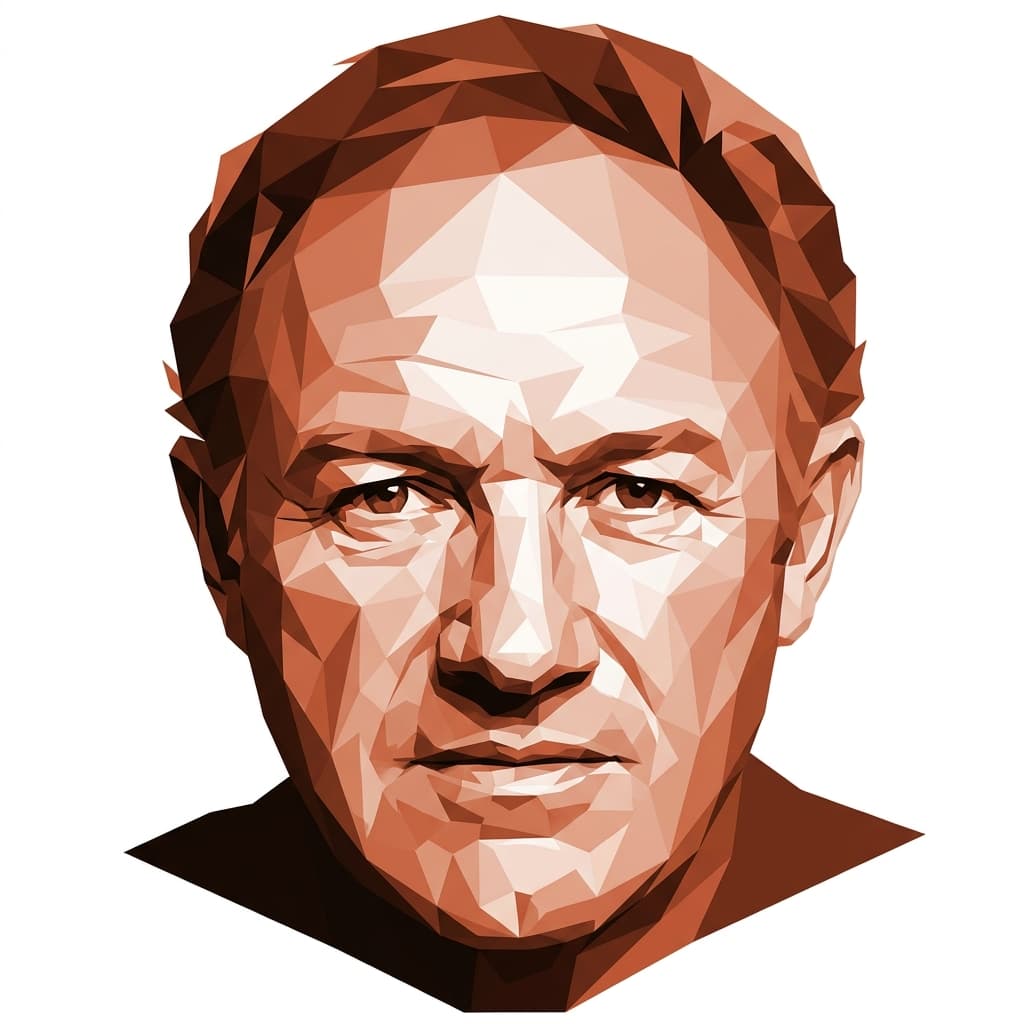
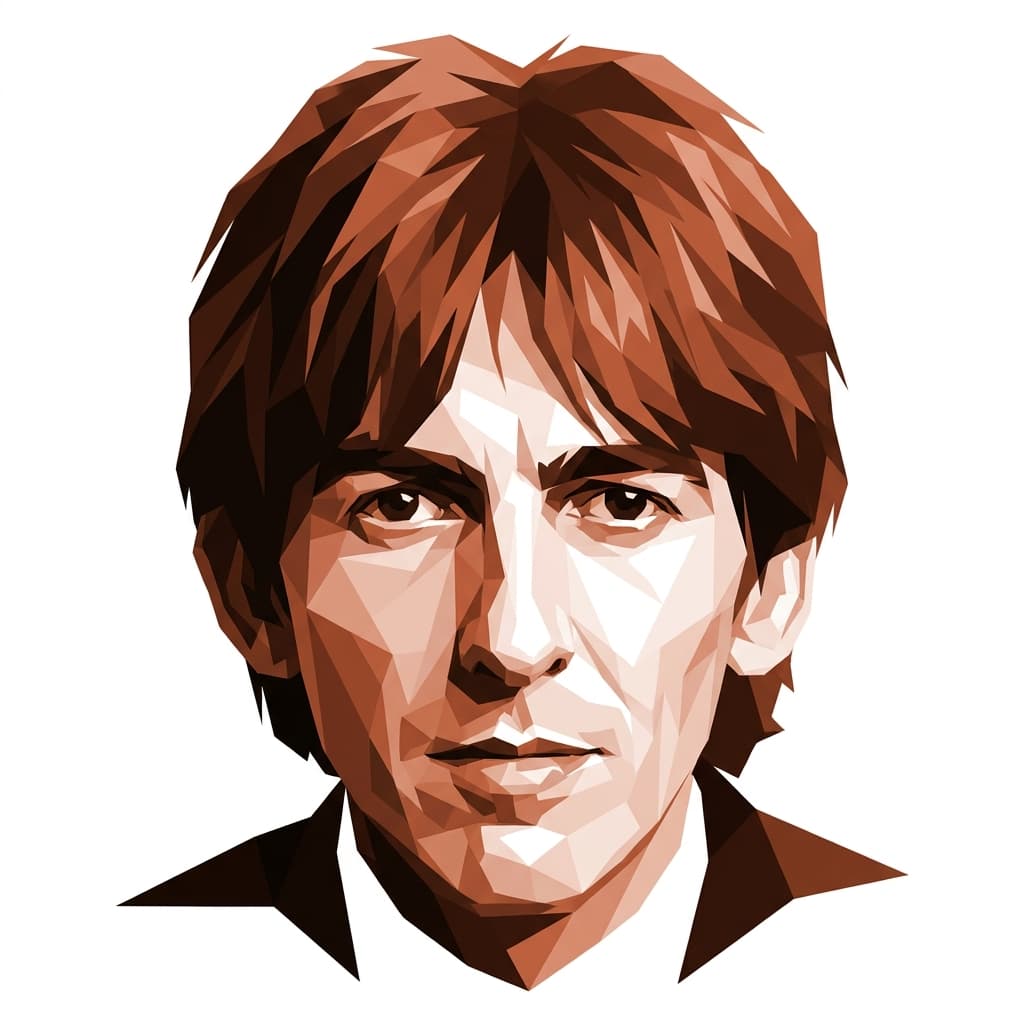
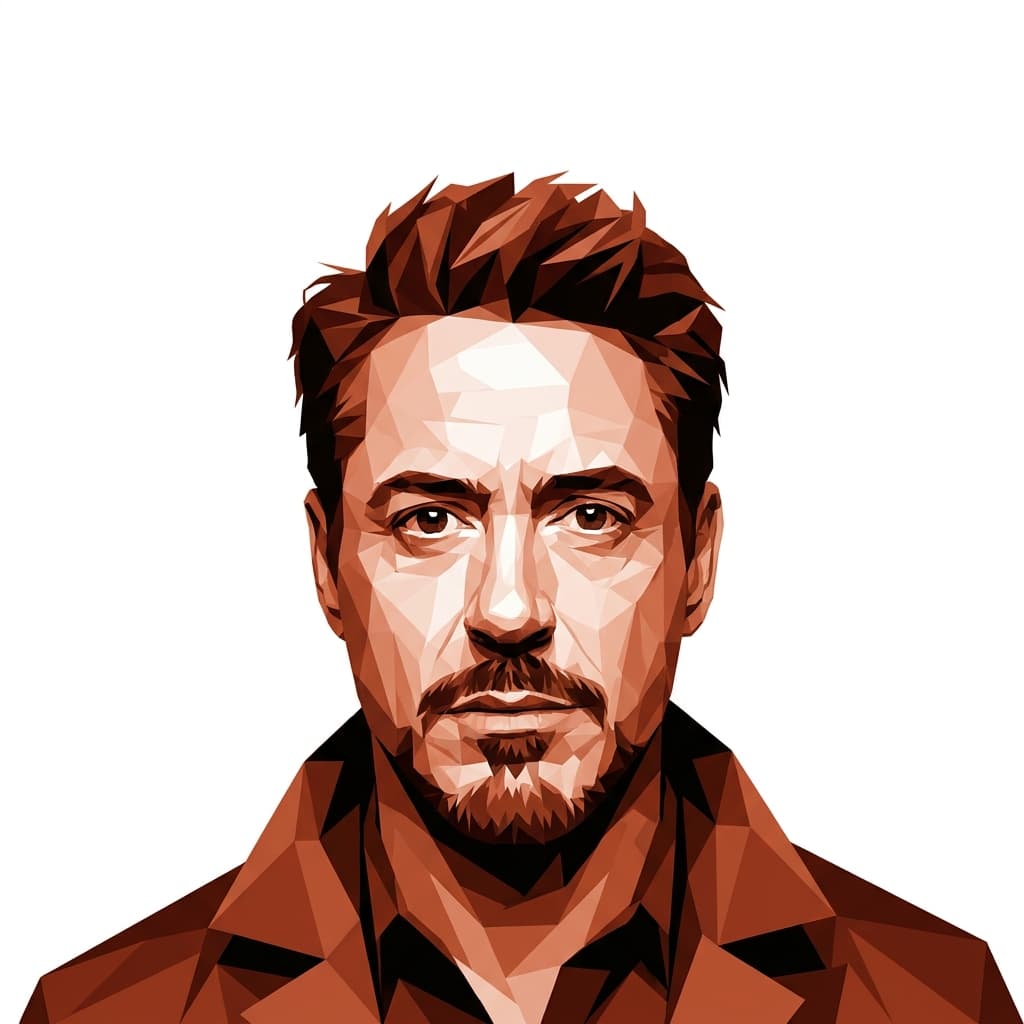
Actor whose meteoric rise, notorious collapse, and second-act reinvention as Iron Man defined a generation of blockbuster cinema.
Design
- Q54.2
- h53.2
- R55.5
- g12.1
- i11.1
- S11.2
- T11.2
- U6.3
- V2.4
- W55.2
- X64.4
- Y43.1
- Z64.6
Personality
- Q21.6
- h48.6
- R23.1
- g35.5
- i5.5
- S42.1
- T21.4
- U40.5
- V8.2
- W63.1
- X64.1
- Y43.1
- Z64.4
Robert Downey Jr. is a Generator — a deep-well performer with the stamina to disappear into a role for months and emerge with something nobody else could have made. That energy is why he could shoot Chaplin at twenty-seven and physically embody the man's entire life, and why, decades later, he could anchor a ten-year cinematic universe without visibly tiring. When the work lights him up, he goes; when it doesn't, everyone can tell.
His childhood was the kind of unconventional laboratory that a 6/2 profile — the role model whose early years look chaotic and whose middle years turn observational — tends to be born into. He was on his father's film sets by age five, doing cocaine by age eight, dropping out of Santa Monica High to chase auditions. The Brat Pack years, the Oscar nomination, the ascent — all of it had the trial-and-error quality of a life being lived out loud, collecting experiences faster than he could integrate them. He was famous for being brilliant and famous for being uncontainable, often in the same sentence.
Then came the collapse. Arrests in 1996, 1999, 2000, 2001. Prison. Rehab. Being fired from Ally McBeal. What's striking, watching interviews from that period, is how clearly he seemed to know things about himself he couldn't yet act on — articulating the addiction with unnerving precision even as he kept relapsing. The turn came when he finally started waiting for the right thing to show up instead of chasing whatever was in front of him. Susan Levin, whom he met on Gothika in 2003, was one of those things. So was the yoga, the meditation, the daily rituals that anchored a life that had lost its rhythm.
Jon Favreau's insistence on casting him as Tony Stark in 2008 was a bet the studio didn't want to make. Downey's audition read as a full-body yes from his gut — he understood Stark instantly, the addict-genius wearing the armor, and improvised half his own dialogue. The performance rewrote what a superhero movie could sound like: fast, wry, emotionally exposed. He made the character his own by refusing to play it safe, and turned a B-tier Marvel property into the load-bearing beam of a decade of cinema.
What's often missed about the Marvel run is how much of it was him quietly managing the machine — pushing for other actors, restructuring his contracts to share upside, mentoring Tom Holland, shaping story decisions. He became the elder around whom the ensemble organized. His voice on set carried the weight of someone who'd earned the right to be heard, and he used it sparingly.
Post-Endgame, he's done what 6/2s often do in their later phase: pulled back, chosen carefully, resurfaced with something like Oppenheimer — a supporting turn as Lewis Strauss that finally got him the Oscar. He runs FootPrint Coalition now, funding climate tech with the same instinct for spotting what deserves to be built next. The wild kid became the guide, which was probably always the arc.
Sources: biography · birth data
What do you and Robert Downey Jr. have in common?
Enter your birth details to find out