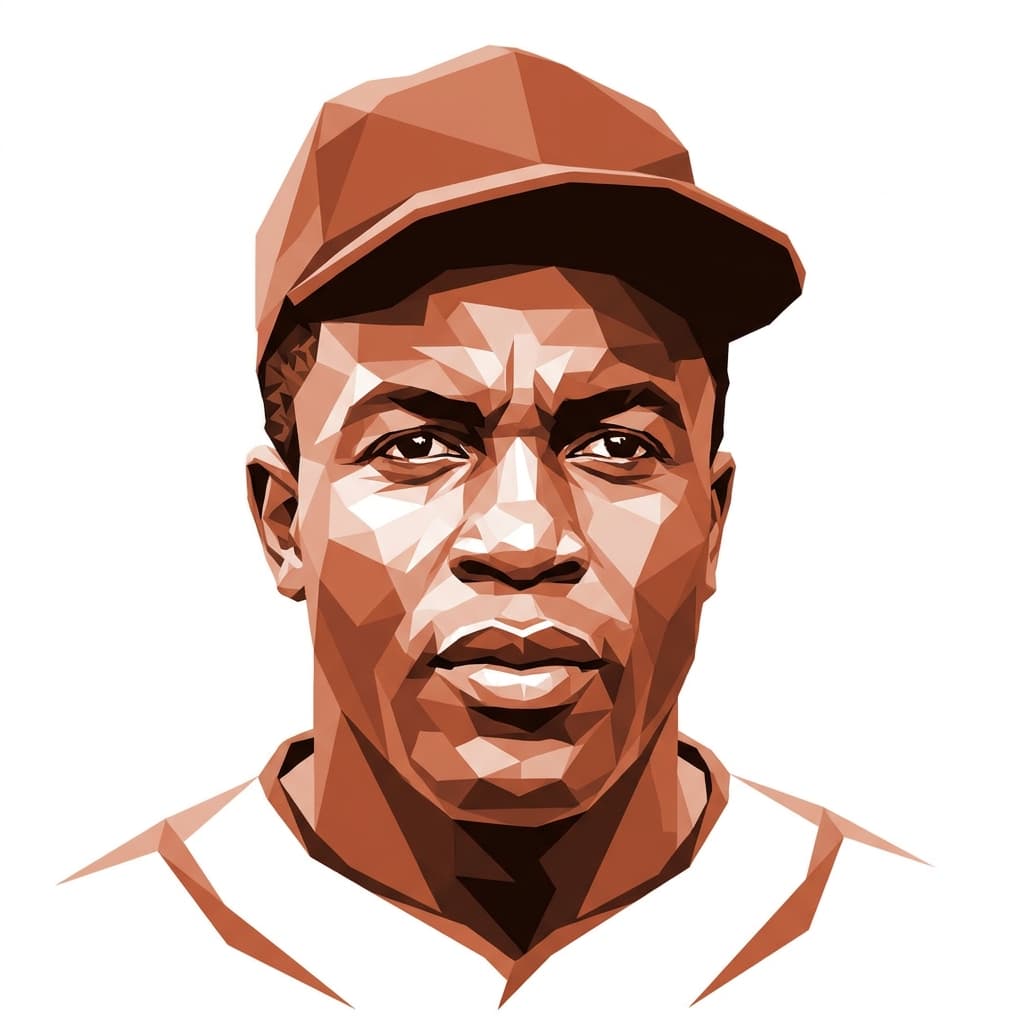
American poet, translator, and leader of the mythopoetic men's movement who wrote Iron John.
Design
- Q46.6
- h25.6
- R16.5
- g39.4
- i38.4
- S18.6
- T47.2
- U23.1
- V13.5
- W43.4
- X36.5
- Y29.2
- Z53.1
Personality
- Q10.3
- h15.3
- R4.3
- g52.4
- i58.4
- S5.1
- T58.6
- U27.5
- V30.1
- W34.3
- X36.4
- Y29.3
- Z53.1
Robert Bly was a Generator — built with the kind of steady, masterful stamina that let him spend six decades hammering at the same anvil: poetry, translation, and the inner lives of men. He grew up on a farm in western Minnesota, served in the Navy, then went to Harvard with the class of 1950 (Donald Hall, Adrienne Rich, John Ashbery), and afterward did something unusual for an ambitious young poet: he went home. He moved back to a Minnesota farm and stayed there, reading Neruda and Vallejo in a chicken coop he'd converted into a study, building his life around a rhythm only he could see.
His 3/6 profile shows in the shape of the whole career. The early Bly was a brawler — founding The Fifties (later The Sixties, The Seventies) in 1958 to attack the dominant academic poetry of the era, picking fights with the New Critics, needling the establishment because he could see exactly what was broken in it. When he won the 1968 National Book Award for The Light Around the Body, he used the ceremony to denounce the Vietnam War and hand the prize money to a draft resister. That was the warrior showing up for a cause that actually warranted the fight, not for the spectacle.
He was also the poet who introduced American readers to Tomas Tranströmer, Rumi, Kabir, Mirabai, and Hafez — a translator's labor that required the slow concentration of someone who could sit with one line for an afternoon. His translations were loose, sometimes infuriating to scholars, but they had a clarity that made the originals feel newly available. He had a knack for taking dense, foreign material and making it land in plain English, and that same instinct shaped his readings, where he chanted poems, played a dulcimer, and treated the platform as ritual rather than recital.
Then came the second life. In 1990, at sixty-three, he published Iron John: A Book About Men, and it became an unlikely number-one bestseller — a year on the list, eventually translated into many languages. He'd been running men's gatherings in the woods for years by then, drawing on Grimm fairy tales and Jungian myth, pulling stories out of men who had never told them to anyone. The book made him famous and made him a target — Bly the drum-circle guru, the easy joke. He took the criticism, kept working, and held onto his faith in what the work was actually doing for the men who came through it.
What carried him was the gut conviction that this was the right ground to keep digging. He wrote prose poems, ghazals, books on the sibling society and the shadow; he kept translating into his eighties. The man who'd spent his twenties in a converted chicken coop was still answering only what he wanted to answer, wherever the invitation came from. He died in 2021 in Minneapolis, at ninety-four, having lived the full 3/6 arc — the early experiments, the polemics, the rise into elder, and a body of work that refused to separate the wild from the careful.
Sources: biography · birth data
What do you and Robert Bly have in common?
Enter your birth details to find out