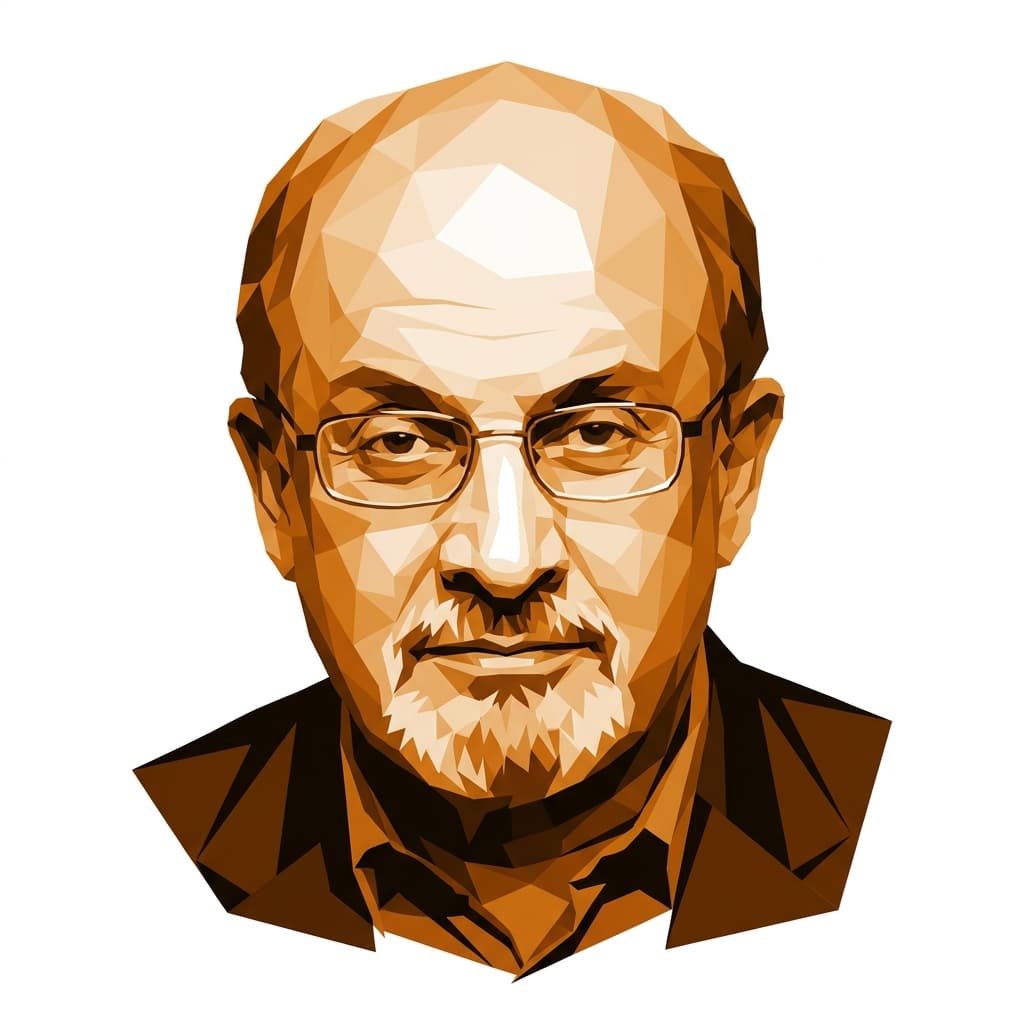
American novelist and journalist whose spare prose and adventurous life reshaped 20th-century literature.
Design
- Q3.5
- h50.5
- R59.3
- g10.4
- i15.4
- S51.2
- T36.1
- U31.1
- V28.5
- W11.1
- X9.2
- Y45.6
- Z35.4
Personality
- Q56.3
- h60.3
- R38.1
- g10.2
- i15.2
- S29.2
- T39.4
- U47.4
- V50.6
- W26.1
- X34.5
- Y12.4
- Z35.6
Ernest Hemingway was a Manifesting Generator — built for speed, multiple obsessions, and the kind of nonlinear life that takes a person from a Kansas City newsroom to the Italian front to a Paris café to a Cuban fishing boat without ever quite catching its breath. He wrote in the mornings, drank in the afternoons, hunted, fished, boxed, covered wars, and somehow still produced the leanest prose in American letters. The pace was the point. Slowness made him cruel.
His 3/5 profile is almost too on-the-nose: the experiential learner who needed to do the war, do the marriage, do the safari before he could write any of it, paired with the heretic-fixer the world kept projecting onto. Four wives, four continents, a pile of wrecked friendships — these weren't accidents but the trial-and-error pattern of a man who learned only by living it. Each crash produced a book. A Farewell to Arms came out of an ambulance in Italy; The Sun Also Rises out of the Pamplona summer that wrecked his first circle of friends; For Whom the Bell Tolls out of Spain.
The famous "iceberg theory" — omit what you know, let the reader feel the weight of it — reads like a manifesto from someone with a near-religious sense of when to speak and when to shut up. He stripped sentences until they could carry the emotion without naming it, working with the discipline of a man who could sit for hours fitting one true word against the next. Gertrude Stein and Ezra Pound trained him; Paris in the twenties polished him; but the compression was his.
He was also, transparently, a provocateur. He picked fights with Fitzgerald, with Stein, with critics, with anyone he suspected of softness, stirring people up to see what was actually inside them, often confusing the picking of a fight with the having of a purpose. The Spanish Civil War, the U-boat patrols off Cuba, the Normandy beaches as a correspondent who kept attaching himself to combat units — there was always a battle he insisted was worth the body it cost him, and a deeper hunger for struggle as the only honest measure of a life. When the danger thinned, melancholy moved in.
His decisions tended to come from emotional weather rather than reflection, which is what an unmastered Emotional Authority looks like at scale — marriages proposed inside a wave, friendships severed at the crest of an argument, an entire move to Cuba sparked by a mood. He needed to sleep on things and rarely did. The bull-headed vitality that carried him through two plane crashes in Africa in 1954 was the same engine that made stillness unbearable.
By Ketchum, Idaho, in 1961, the body had cashed too many checks: concussions, hypertension, electroshock that erased the sentences he lived for. He shot himself one July morning, two weeks shy of his sixty-second birthday. What remained was the prose — a body of work built around what was deliberately left out, and a template every American writer since has had to either imitate or refuse.
Sources: biography · birth data
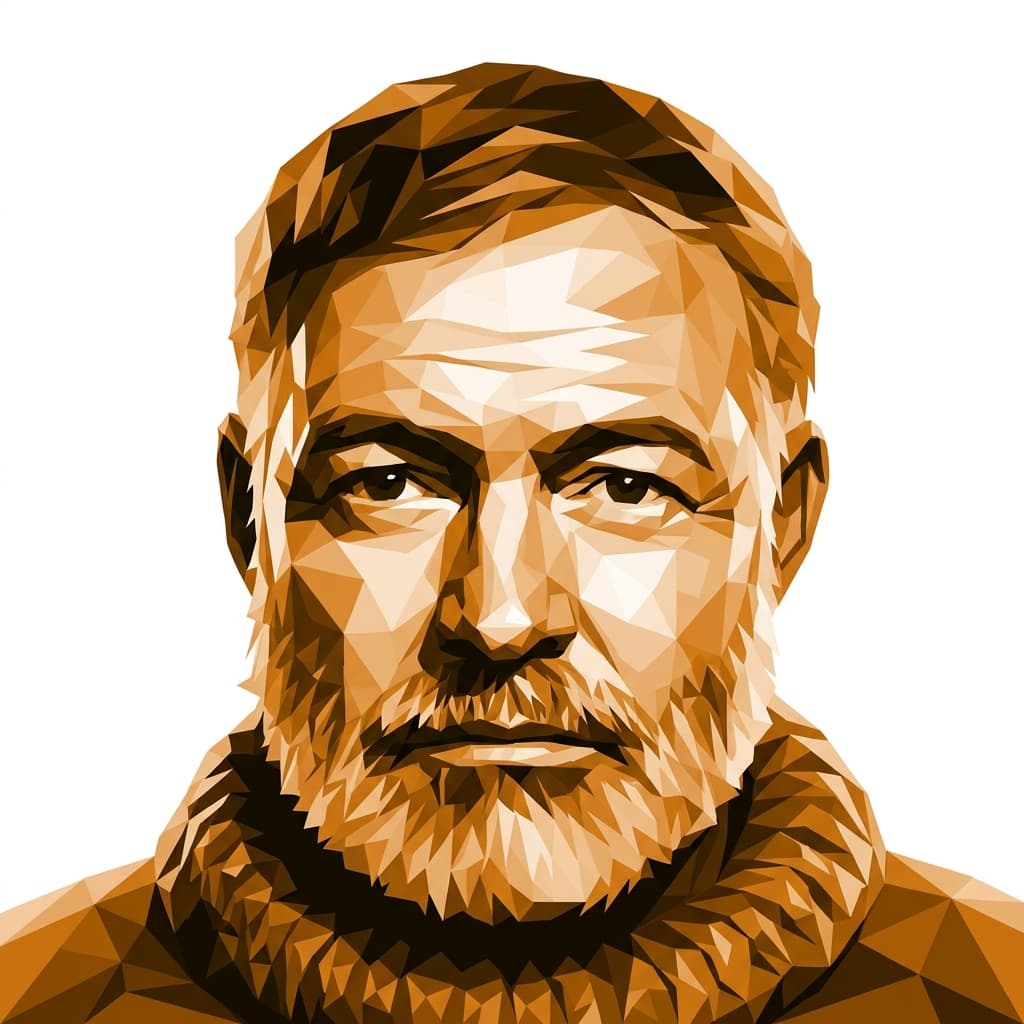
What do you and Ernest Hemingway have in common?
Enter your birth details to find out