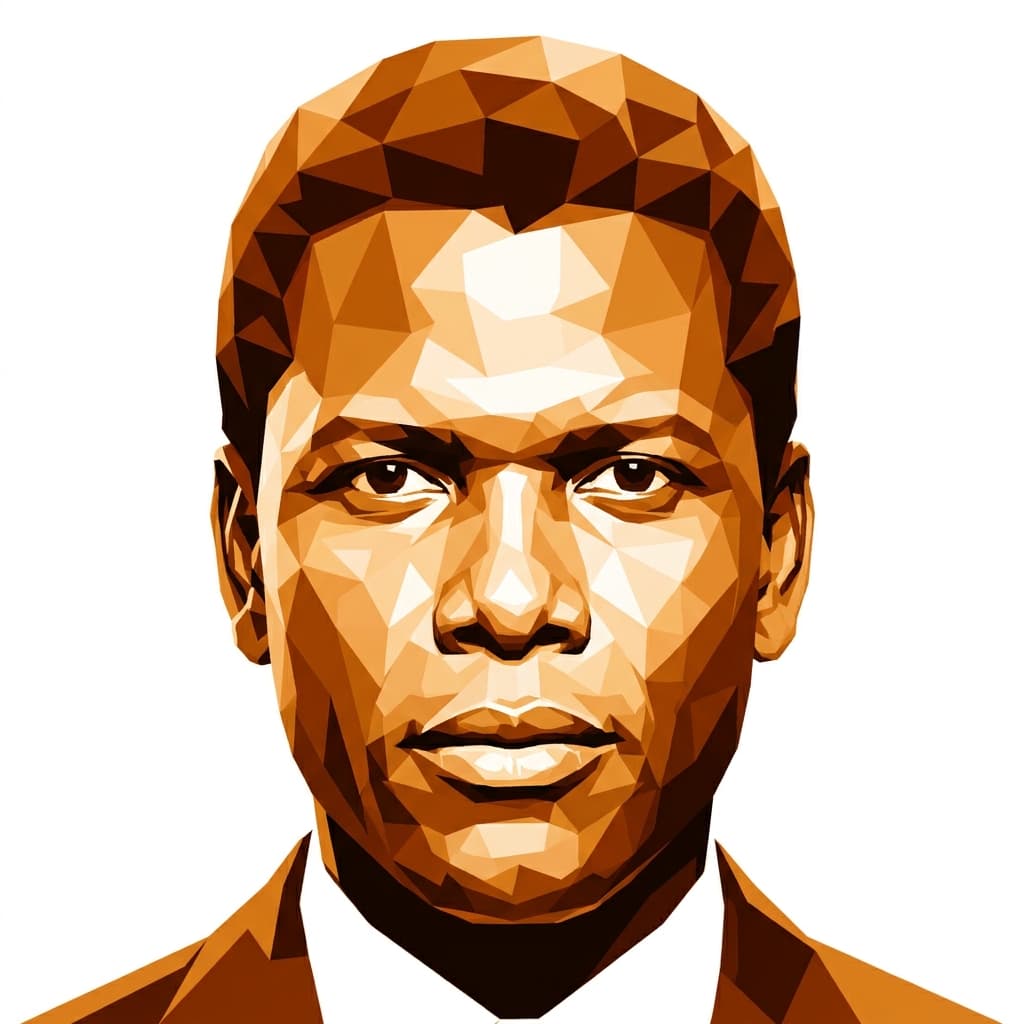
American attorney, senator, Secretary of State, and 2016 Democratic presidential nominee.
Design
- Q31.3
- h41.3
- R5.6
- g20.1
- i34.1
- S53.3
- T62.5
- U45.3
- V1.5
- W33.5
- X12.2
- Y18.5
- Z33.6
Personality
- Q28.1
- h27.1
- R25.1
- g23.5
- i43.5
- S43.3
- T1.4
- U7.2
- V34.1
- W4.3
- X12.4
- Y48.2
- Z7.2
Hillary Rodham Clinton is a Manifesting Generator — built to juggle several careers at once and move fast between them, which is exactly what her life has done. Lawyer, First Lady of Arkansas, First Lady of the United States, U.S. Senator, Secretary of State, and twice a presidential candidate: she has never stayed in one lane, and she has rarely waited long between chapters. Even her critics concede that the sheer volume of work she has taken on would exhaust most people.
She came up as a policy wonk with an instinct for the deep-dive foundation before the argument, the kind of student who read every footnote and then wrote her own. Her 1969 Wellesley commencement speech, delivered off-script in response to the senator who preceded her, showed the 1/3 profile already at work — investigate thoroughly, then test it in public and see what breaks. The health care reform effort of 1993–94 was a classic 3-line experiment: an enormous, meticulously researched proposal that collapsed under political fire, and became fuel for how she'd operate the rest of her career. She rarely made the same mistake twice.
As First Lady she was drawn again and again to organizing on behalf of women and children, from her Beijing speech declaring that "human rights are women's rights" to her decades of work on family policy. That caregiving current runs alongside a very different one: a natural pull toward stewarding institutions and money, whether it was the Clinton Foundation, the State Department budget, or her Senate committee assignments on Armed Services and Finance. She likes systems and she likes running them.
Her voice is famously precise, briefing-book prepared, footnoted in real time — a strength in Senate hearings and a liability on debate stages where warmth was the currency. She has spoken openly about the timing problem of being a woman who says what she thinks: the same directness read as competent in the Senate cloakroom and cold on the campaign trail. Her 2008 New Hampshire moment, when she teared up at a diner and won the primary the next day, was the rare instance where the emotional register broke through the discipline.
Colleagues describe someone who runs on a gut-level yes about which fights are worth having and who does not need a plan to have already decided. She stayed in the 2008 primary long past when strategists said she should quit; she ran again in 2016 when almost no one else in her party would have. Both decisions reflected the same underlying appetite for the hard, meaningful contest that has defined her since law school.
Since 2016 she has done what a 1/3 tends to do after a defining loss: retreat, write, teach, process, and then re-emerge with the lessons drawn out. What Happened, her Columbia teaching fellowship, her podcast with Chelsea, the Broadway producing — the pace hasn't slowed, but the mode has shifted from campaigning to reflecting. She is, at this point, someone who has been in the American political conversation for more than half a century and shows no particular interest in leaving it.
Sources: biography · birth data

What do you and Hillary Clinton have in common?
Enter your birth details to find out