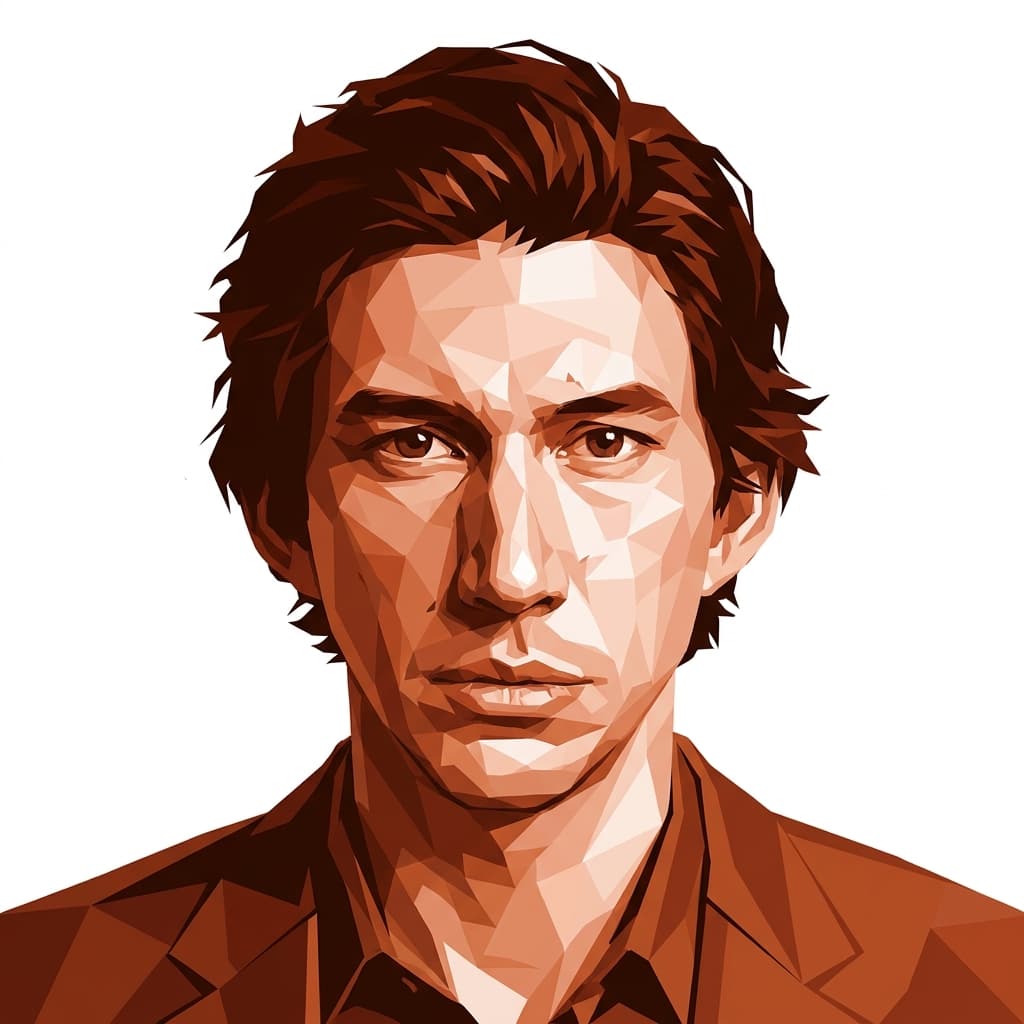
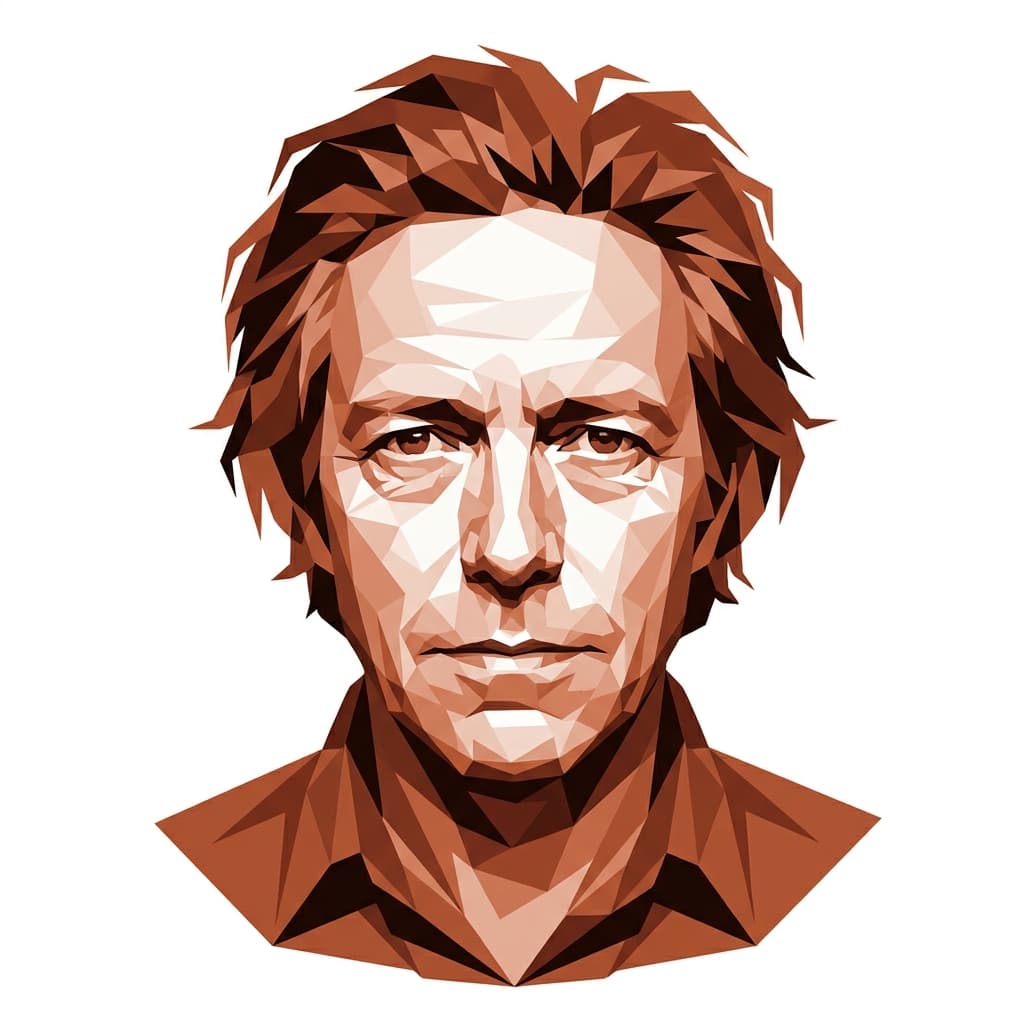
American actor known for immersive transformations in Donnie Darko, Brokeback Mountain, Nightcrawler, and Prisoners.
Design
- Q46.3
- h25.3
- R63.3
- g4.1
- i49.1
- S57.6
- T7.4
- U1.4
- V6.1
- W46.3
- X43.5
- Y26.4
- Z32.1
Personality
- Q10.1
- h15.1
- R16.2
- g33.5
- i19.5
- S26.6
- T34.3
- U61.1
- V18.5
- W18.6
- X14.4
- Y26.6
- Z32.4
Jake Gyllenhaal is a Generator — built with the stamina to disappear into a role for months, the kind of actor who'd rather drop forty pounds and learn to gut a fish than fake it. Born into a Hollywood family (director father, screenwriter mother, actress sister), he grew up around the work but took a slow path in, studying briefly at Columbia before committing to the craft on his own terms. The arc of his career looks less like a rise than a series of deep, sometimes strange immersions.
Donnie Darko found him at twenty, playing a sleepwalking suburban kid with a rabbit hallucination — a film that flopped in theaters and became a cult artifact, exactly the kind of trial-and-error result a 1/3 quietly turns into expertise. What followed wasn't a clean climb. He took swings at studio fare (The Day After Tomorrow, Prince of Persia) that taught him what he didn't want, then course-corrected back toward Brokeback Mountain, Zodiac, Jarhead. He learned by doing the wrong things and the right things and noticing the difference, with the kind of skepticism that has to test the logic itself before trusting any received wisdom about what an actor is supposed to be.
His preparation is famously extreme. For Nightcrawler he lost thirty pounds and ran to set each night; for Southpaw he trained as a boxer for months; for Stronger he studied a real survivor's gait and voice until they became his own. This is skill built through obsessive, repetitive practice, a craftsman's pleasure in the reps. It's also raw vitality channeled into work that genuinely lights him up — when he's wrong about a project, he visibly wilts; when he's right, the energy is almost uncomfortable to look at directly.
He waits a long time between roles, often a year or more, and friends and collaborators describe a man who needs space to process before he commits. Big decisions get slept on, sometimes for weeks, and he's spoken openly about turning down projects that excited him in the moment and felt wrong by morning. Heath Ledger's death after Brokeback Mountain marked him deeply, and his approach to grief, friendship, and the Ledger family since has shown a kind of emotional selectivity about who gets close — fewer, deeper bonds rather than industry-wide ones. He retreats, often, and reappears with something integrated.
On stage — Sunday in the Park with George, Burn This, Sea Wall/A Life — he's found a creative outlet that doesn't have to please everyone, where he can be weirder, smaller, more sung-through. He launched a production company, Nine Stories, and has become increasingly discerning about which projects are actually worth the energy investment, passing on far more than he takes. The Gyllenhaal who shows up in interviews now is more retreated than the press-tour kid of the early 2000s — protective of his private life, slow to share, more comfortable letting his work speak when he has something solid to stand on. It's a long career being built one immersion at a time.
Sources: biography · birth data
What do you and Jake Gyllenhaal have in common?
Enter your birth details to find out