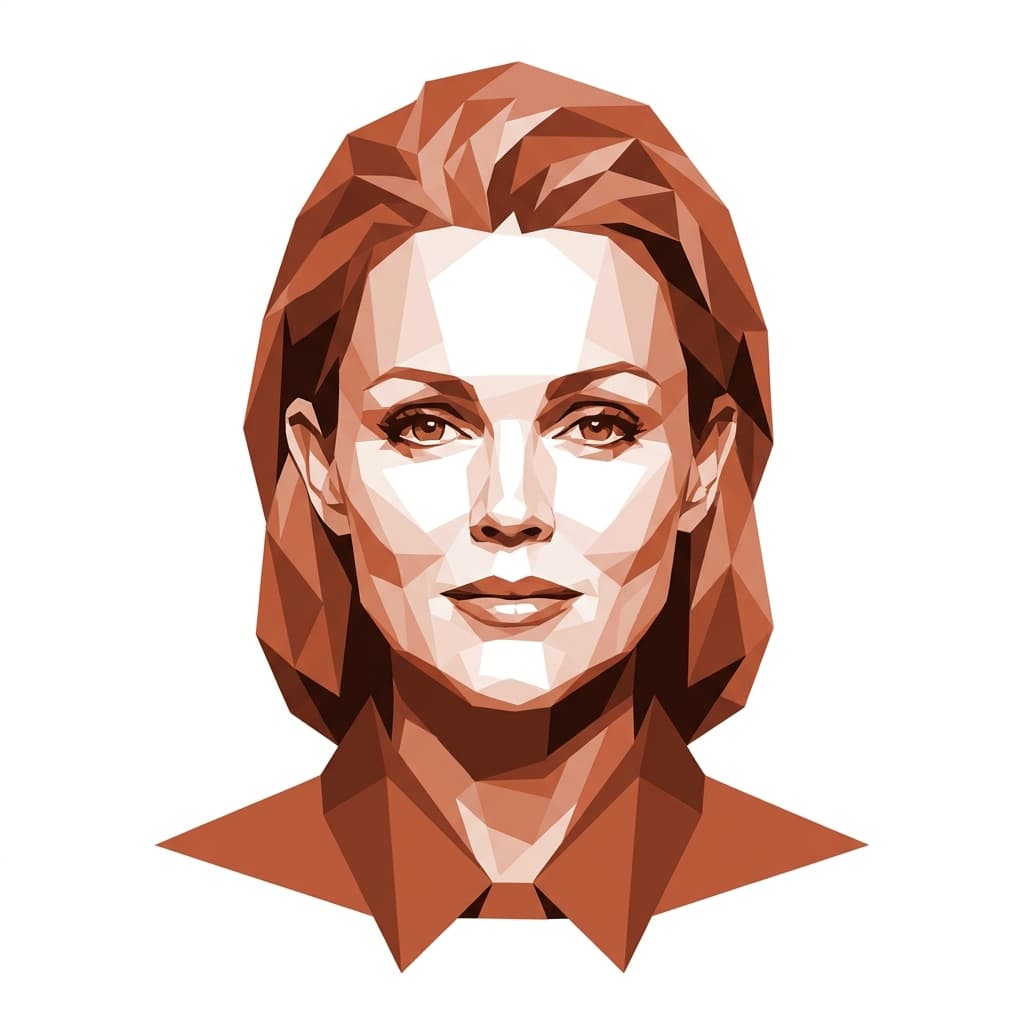
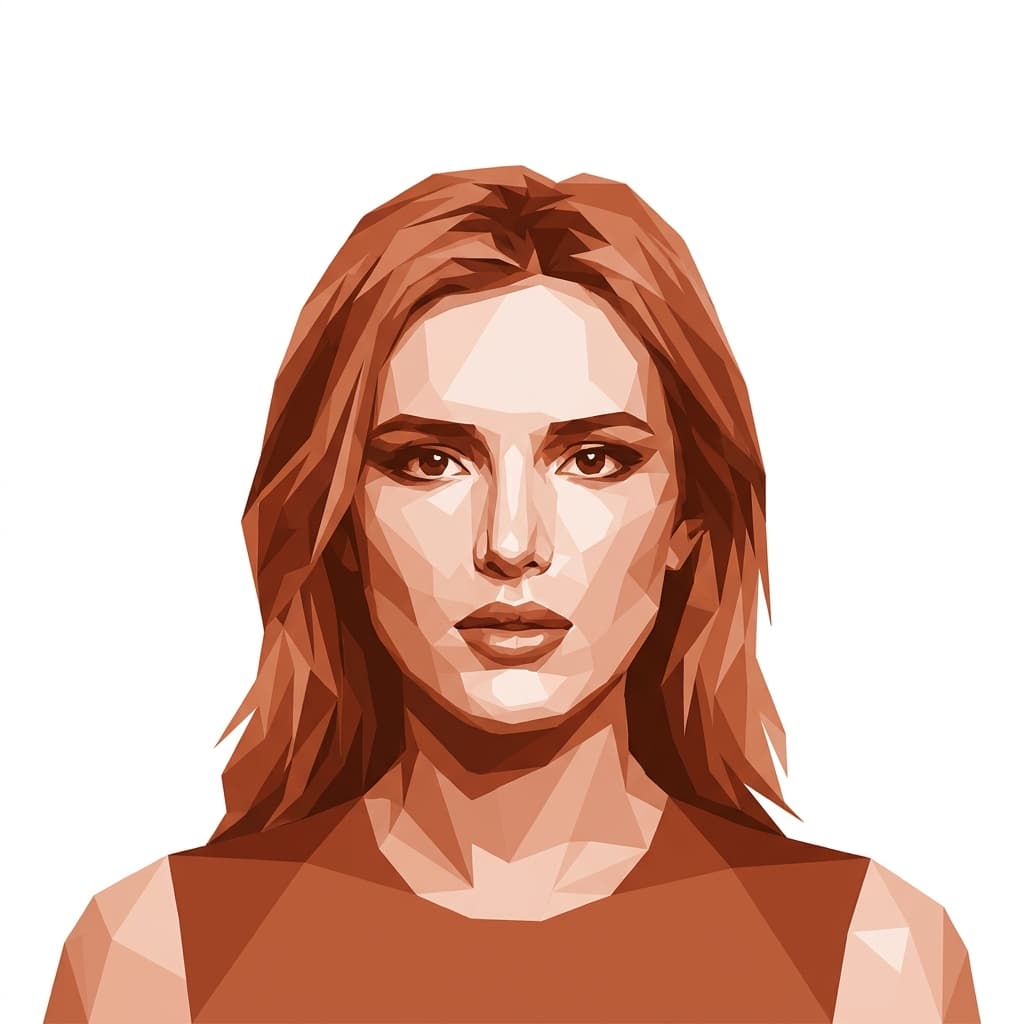
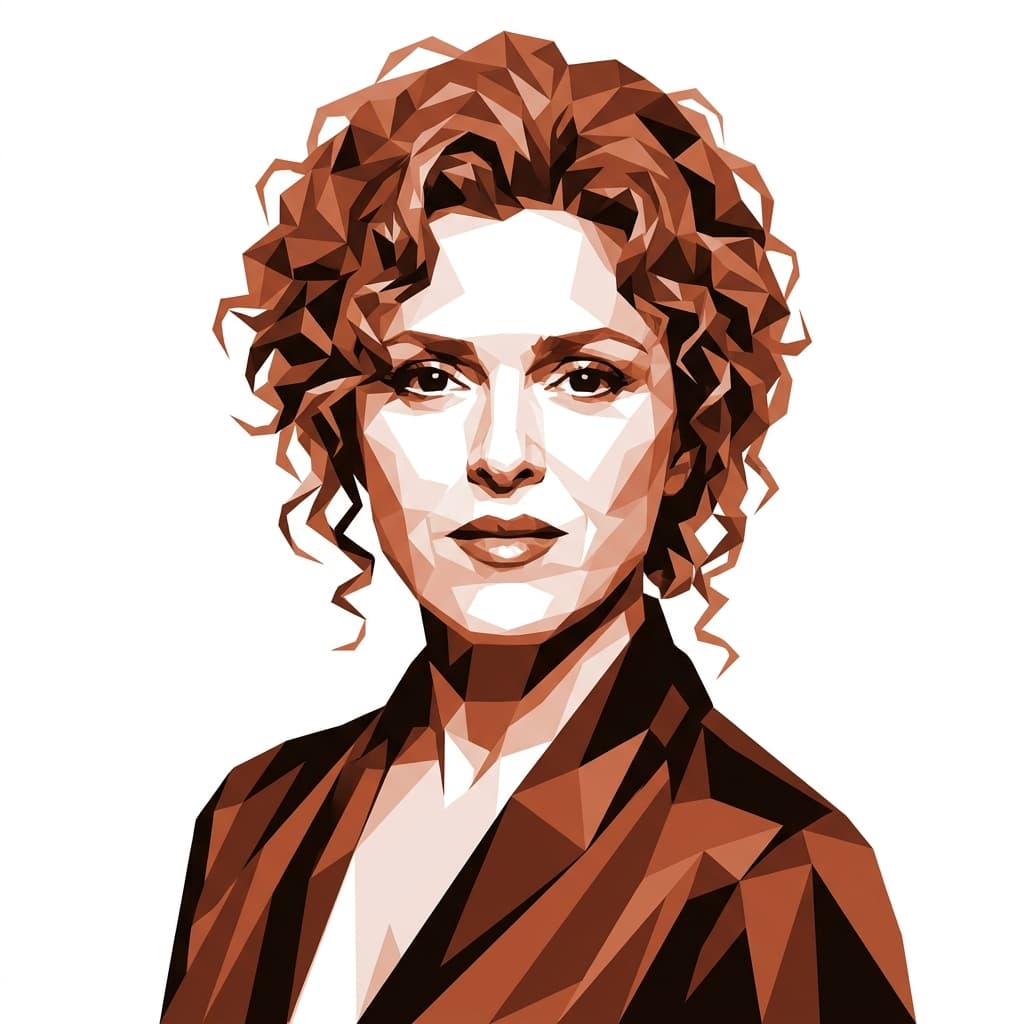
Two-time Oscar-winning actress, fitness mogul, and political activist whose reinventions have spanned six decades.
Design
- Q46.4
- h25.4
- R8.6
- g9.3
- i16.3
- S64.5
- T29.6
- U11.4
- V54.3
- W25.4
- X24.6
- Y47.3
- Z56.4
Personality
- Q10.2
- h15.2
- R4.4
- g9.1
- i16.1
- S54.1
- T26.2
- U30.6
- V60.5
- W25.1
- X24.3
- Y47.5
- Z56.4
Jane Fonda is a Generator — built with the kind of sustained, renewable energy that lets a person have not one career but four or five, stacked on top of each other across sixty years. Daughter of Henry Fonda, she arrived in Hollywood already famous-adjacent and spent her twenties as a glossy ingenue in Barbarella and Cat Ballou, then pivoted hard in the seventies into the dramatic work — Klute, Coming Home — that won her two Oscars. The pivot wasn't strategic so much as responsive: something lit her up, her gut said yes, and she went.
Her 2/4 profile explains a lot about how she operates. She's relentlessly social — the networks, the marriages to powerful men (Roger Vadim, Tom Hayden, Ted Turner), the activist coalitions — but she's also a documented retreater, disappearing for years at a stretch to read, study, train, recalibrate. The aerobics empire of the eighties came out of one of those retreats: she broke her foot on a film set, couldn't run, started taking a dance-exercise class in Century City, and within a few years had built a craft she could fully merge with, turning Jane Fonda's Workout into the bestselling home video of all time.
The activism is where her gut-level certainty shows most plainly. The 1972 trip to Hanoi — the photograph on the anti-aircraft gun, the "Hanoi Jane" epithet that followed her for fifty years — was not a calculated move. It was a yes she gave in the moment and then defended, apologized for parts of, and never fully recanted. She has spent her life meeting intensity head-on without losing her openness, getting arrested in her eighties at the Capitol every Friday for Fire Drill Fridays, persuading the public to care about things she genuinely believes in — Vietnam, the ERA, eating disorders, climate.
What's striking is how often she's used constraints as fuel. The exercise empire came from an injury. Her production company, IPC Films, was built specifically because she couldn't get studios to greenlight Coming Home or 9 to 5 — so she worked the limitation into the innovation. She retired from acting in 1991, stayed gone for fifteen years, then came back in Monster-in-Law with the appetite for radically different rhythms that defines her — ingenue, sex symbol, activist, fitness mogul, memoirist, Netflix lead.
Her public storytelling carries a particular flavor. The 2005 memoir My Life So Far and the HBO documentary Jane Fonda in Five Acts both organize her biography around the men she was with — a framing she chose herself, and one that lets her use her own past to inspire and instruct other women about reinvention. She's candid in a way that's almost analytical, looking for the patterns and meaning in what she's lived through.
Now in her late eighties, she's still waiting to respond to what lights her up — climate protests, Grace and Frankie, the next book — and still talking openly about what she got wrong. The Generator engine is intact. She's following the joy and noticing what comes next.
Sources: biography · birth data

What do you and Jane Fonda have in common?
Enter your birth details to find out