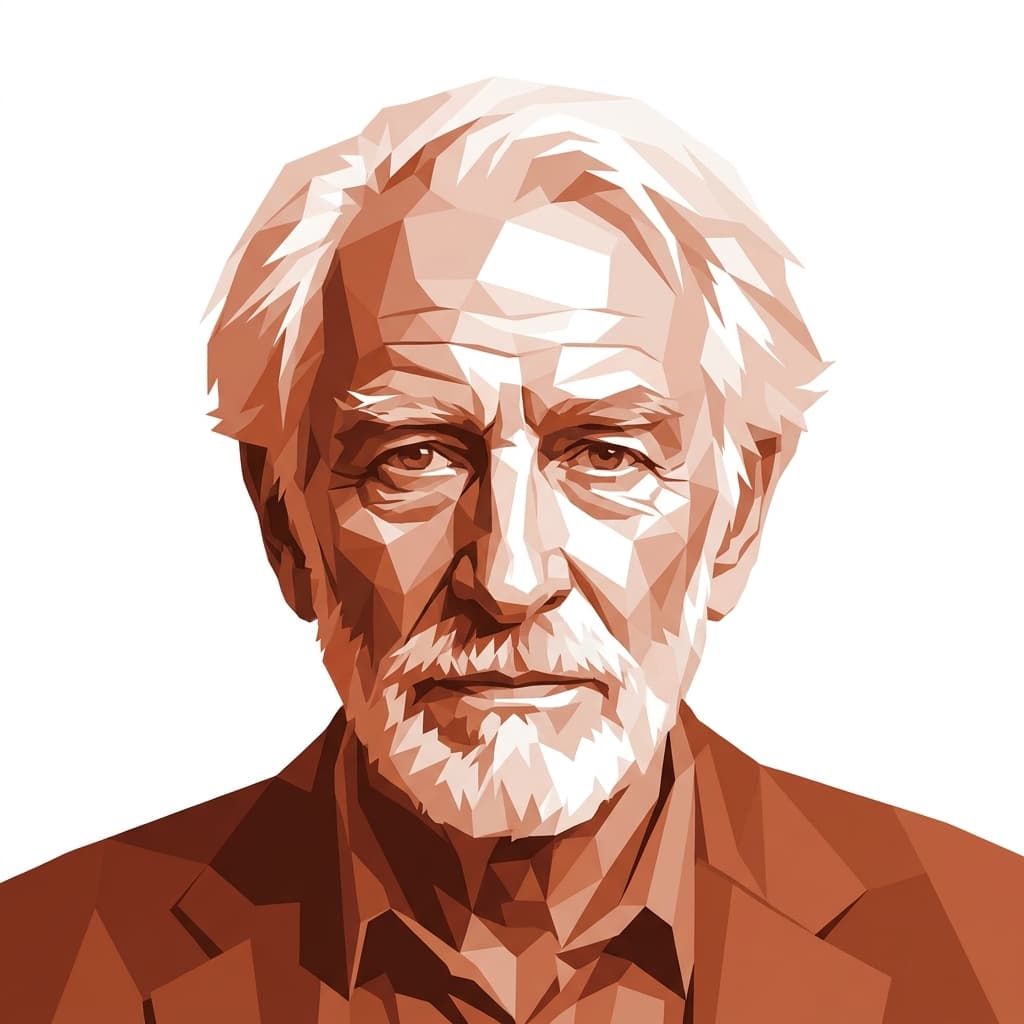
Grammy-winning singer-songwriter and blues guitarist known for craft, candor, and a famously complicated public life.
Design
- Q62.5
- h61.5
- R33.2
- g57.5
- i51.5
- S33.6
- T35.1
- U8.6
- V12.1
- W7.5
- X44.1
- Y5.3
- Z48.3
Personality
- Q32.3
- h42.3
- R9.6
- g57.1
- i51.1
- S32.1
- T46.1
- U62.5
- V52.3
- W29.4
- X44.4
- Y5.3
- Z48.6
John Mayer is a Generator — built for deep, sustained mastery of one craft, and the kind of musician who can practice the same B.B. King phrase for hours until his hands know it better than his brain does. From the Berklee dropout who moved to Atlanta and worked the open-mic circuit, to the arena headliner who quietly became one of the most respected guitar players of his generation, the through-line is obsessive, joyful repetition. He found the guitar at thirteen after watching Back to the Future, and he never really put it down.
His career has been a 3/5 profile in public — the experimenter who learns by doing it wrong on a giant stage, then becomes a problem-solver for whatever sound he's currently chasing. Room for Squares was the dorm-room troubadour; Continuum was the blues student who'd done the homework; Born and Raised was the desert recluse rebuilding after a vocal granuloma silenced him. Each record was a different version of him testing what worked by living it out loud, and each was a course-correction from whatever the last one taught him.
The guitar playing itself is an exercise in concentration that most players can't sustain — the kind of long, patient phrasing he learned from Stevie Ray Vaughan and refined sitting in with the surviving members of the Grateful Dead. When he joined Dead & Company in 2015, it surprised nobody who'd been paying attention to his actual playing and everybody who only knew him from tabloids. He'd spent years in the kind of stillness that lets a single bent note say everything, and Bob Weir's invitation was exactly the recognition his playing needed to step into a role he'd never have asked for.
Mayer's biggest public stumbles came from his mouth, not his fretboard. The 2010 Playboy and Rolling Stone interviews — the ones he's been apologizing for ever since — were a textbook case of speaking without waiting for the right moment, saying the clever thing in the room instead of the true thing he could stand behind. He retreated to Montana, lost his voice, and came back quieter. The pattern since has been retreat first, share only what survived the silence, whether on his podcast, his Instagram lives, or the long Q&As he does at his own shows.
His gut tells him yes or no before his mind catches up, and you can see it in how he's structured his adult life: the watch collection he researches obsessively, the skincare line, the tequila brand, the songwriting that still pours out at the same desk in the same room. He's a Generator who finally learned to wait for the thing that actually lights him up instead of chasing every offer. The result is a guy who at this point seems mostly interested in finishing what he starts and closing cycles cleanly — touring with the Dead, making the next solo record, calling Andy Cohen on Tuesdays. The bachelor headlines have faded; the playing keeps deepening. That tracks.
Sources: biography · birth data
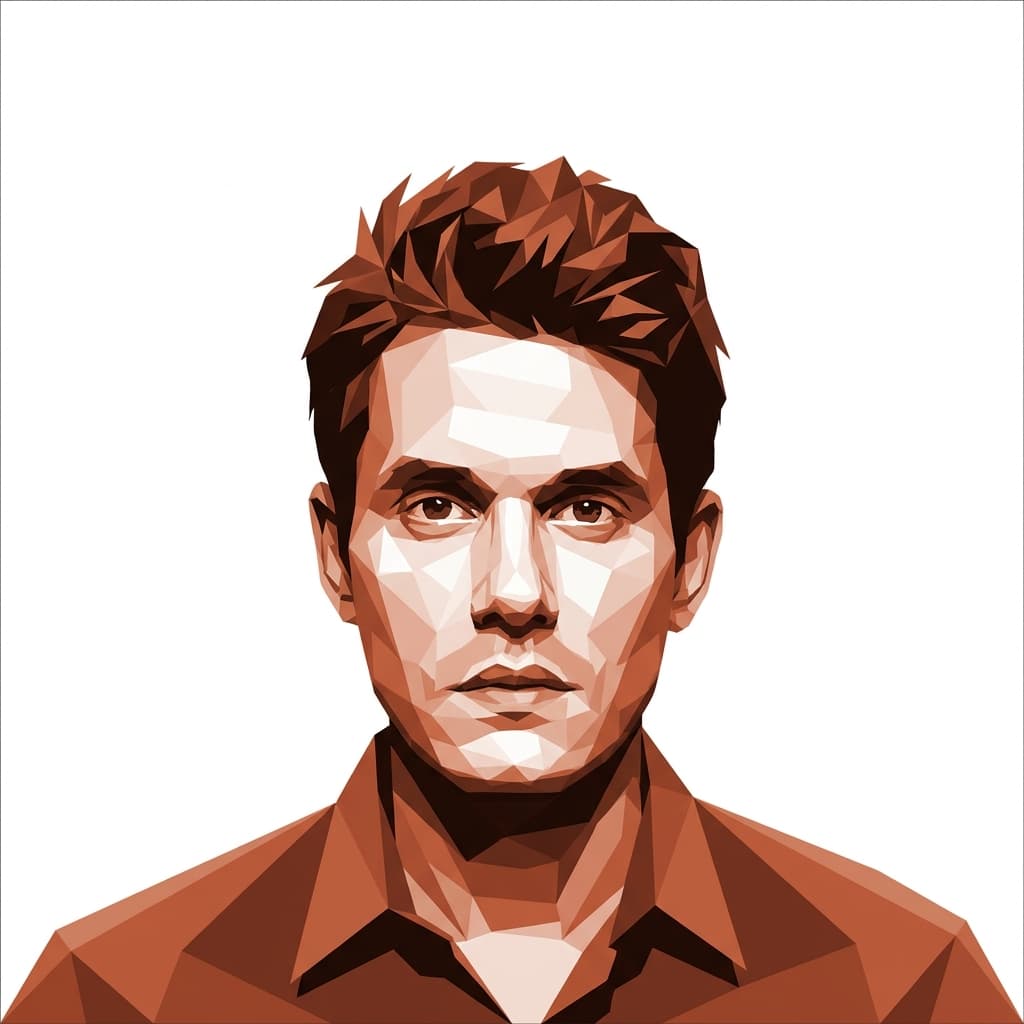
What do you and John Mayer have in common?
Enter your birth details to find out