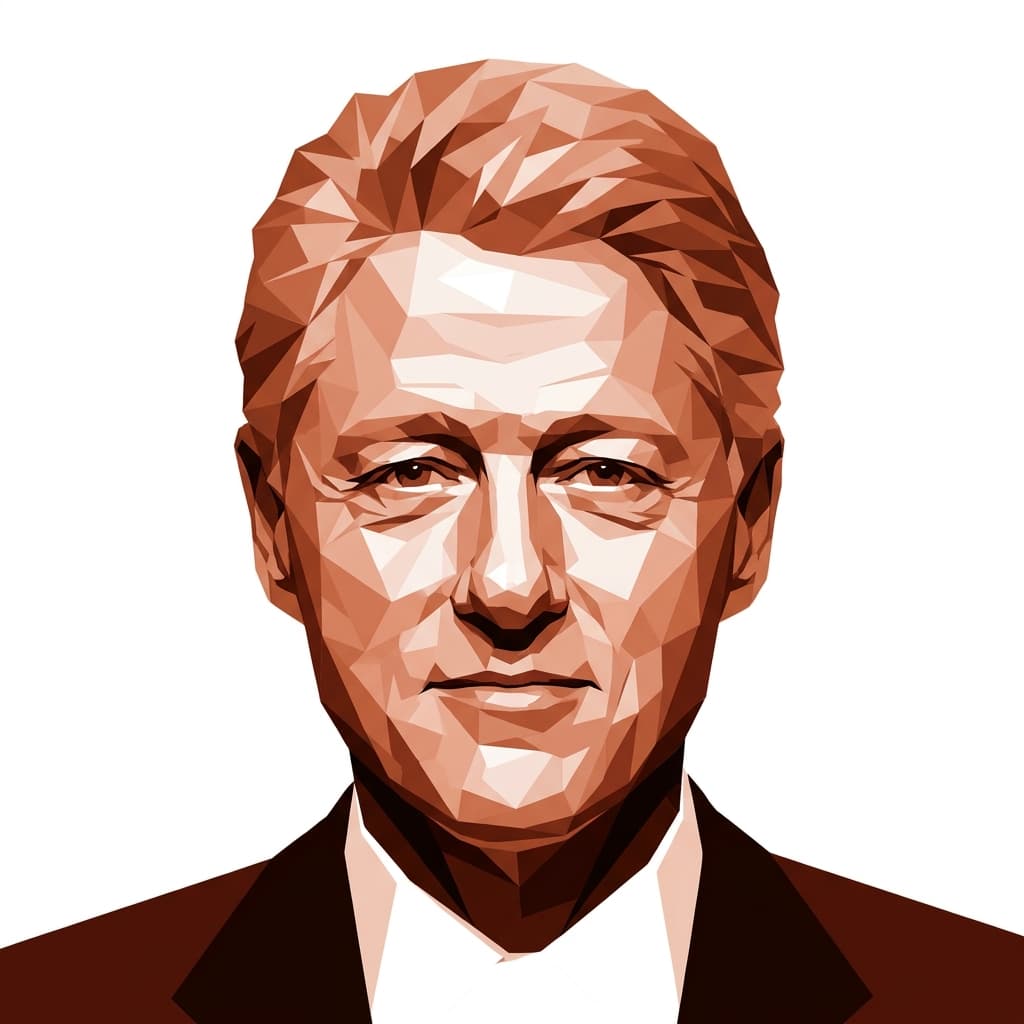
Legendary host of The Tonight Show whose 30-year reign redefined late-night American television.
Design
- Q56.6
- h60.6
- R47.1
- g31.3
- i41.3
- S29.5
- T29.2
- U7.6
- V54.1
- W44.1
- X36.3
- Y4.3
- Z39.5
Personality
- Q50.4
- h3.4
- R38.5
- g56.4
- i60.4
- S44.3
- T5.3
- U57.2
- V54.1
- W1.2
- X22.6
- Y4.6
- Z39.6
Johnny Carson was a Generator — built with the kind of steady, nightly stamina that let him host The Tonight Show 4,531 times over thirty years without ever visibly running out of gas. He came out of Norfolk, Nebraska with a magic set and a paper route, worked his way through Omaha radio and a game show called Who Do You Trust?, and in 1962 took over Jack Paar's desk at NBC. What followed was less a career than a national ritual: a monologue, a desk bit, a couch, and a bandleader named Doc, five nights a week, until 1992.
The genius of Carson's monologue was how much he did with how little. A joke would die, and he'd just look at the camera — one eyebrow, a golf swing, a tug on the cufflinks — and the save would land bigger than the setup. That was the instinct to say only what needed saying, a storyteller's economy sharpened over decades of small-town clubs and Midwestern rooms. He read audiences the way pianists read rooms, and he ran the desk with an in-the-moment gut sense of when to push a bit and when to bail.
His 4/6 profile was visible in how he worked: intensely warm on camera with a small inner circle of trusted collaborators — Ed McMahon, Doc Severinsen, Freddy de Cordova, a handful of writers — and famously distant off camera, described by nearly everyone who knew him as impossible to fully know. The messy first act was there too: three divorces before his fourth marriage stuck, alcohol he eventually walked away from, a brother-comedian's world he never quite socialized in. By his fifties he had become exactly what a 6 becomes — the role model people watched to learn how it was done, the tastemaker who could launch a career by waving a comic over to the couch.
Carson was a Wait to Respond operator in a business full of self-promoters. He didn't chase guests; guests came to him, and he sorted them with an uncanny read on who had the goods and who didn't. A first Tonight Show shot was the industry's most valuable currency for a reason — Freddie Prinze, Roseanne Barr, Jerry Seinfeld, Ellen DeGeneres all got waved over after their sets. His Carnac the Magnificent and Aunt Blabby bits ran on the pleasure of a small ritual done exactly the same way every time, and his willingness to let a bad joke bomb — and then mine the bombing for a better joke — was creativity that stayed fresh because he refused to protect it.
He fought NBC hard for shorter weeks, more vacation, and eventually a 90-minute then 60-minute show, and he usually won — picking his battles with the discernment of someone who knew which fights actually mattered. When he walked away in May 1992, at the top, he essentially never came back: no comeback special, no podcast, no memoir, a few Letterman monologue jokes faxed in anonymously. It was the quiet exit of someone who had used the energy up and was genuinely done, and it left a template no successor has quite matched.
Sources: biography · birth data
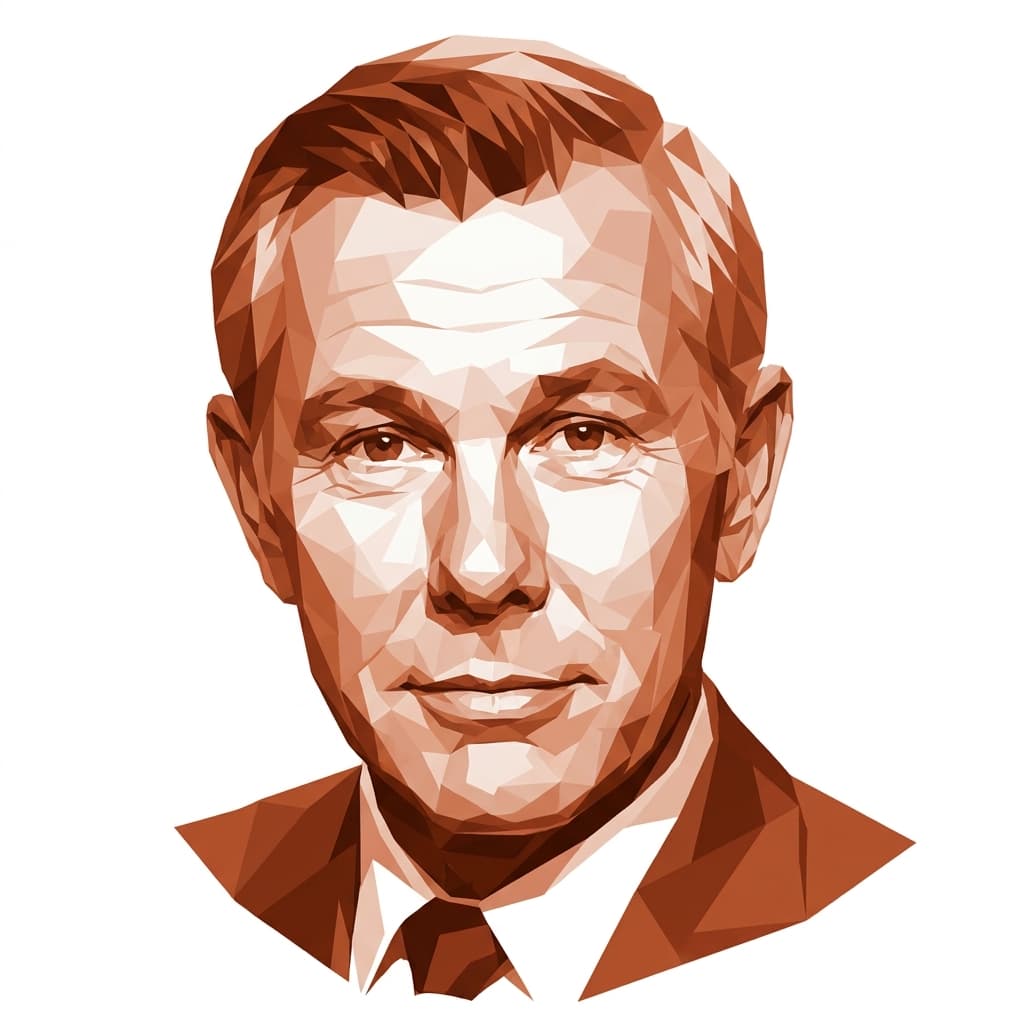
What do you and Johnny Carson have in common?
Enter your birth details to find out