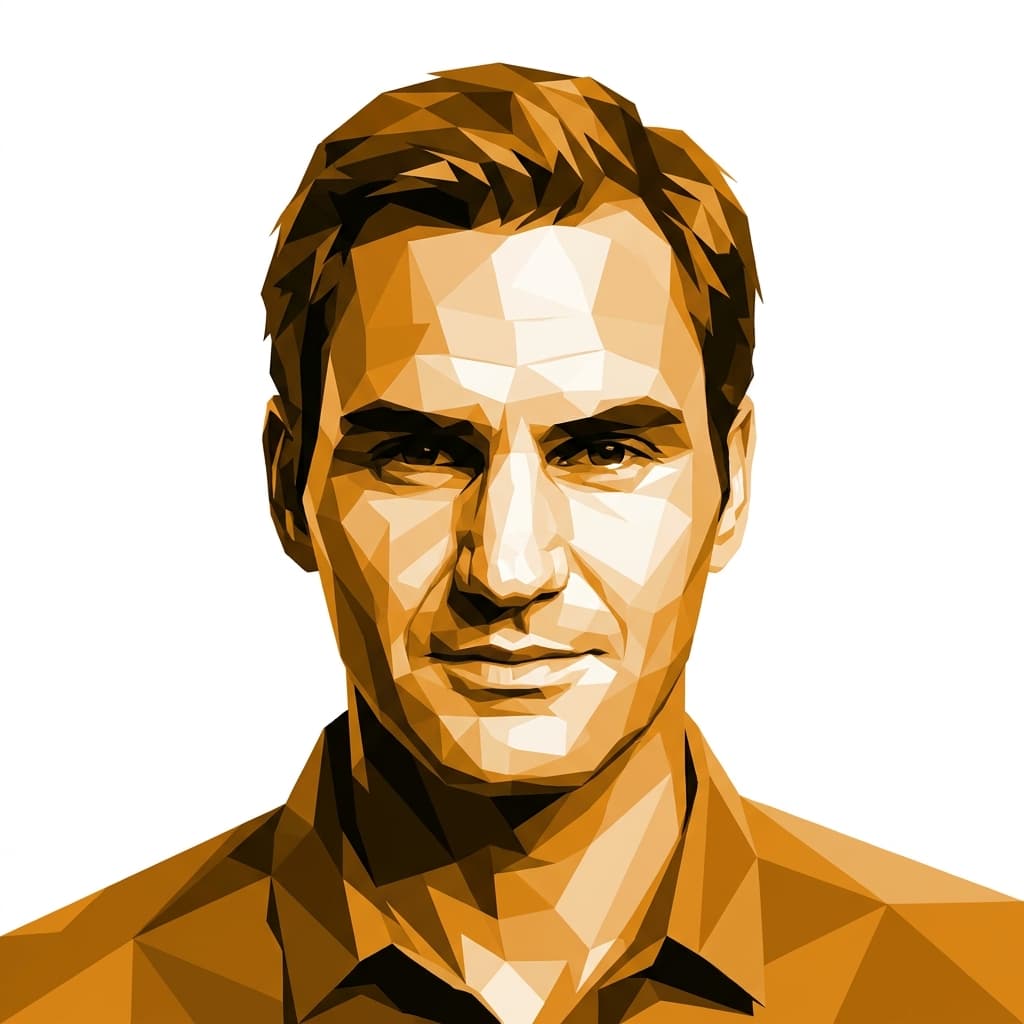
Actor, writer, and director behind Scrubs and Garden State, navigating Hollywood as a multi-hyphenate creator.
Design
- Q54.4
- h53.4
- R9.6
- g9.5
- i16.5
- S60.5
- T41.2
- U26.5
- V63.4
- W53.1
- X28.1
- Y9.6
- Z18.6
Personality
- Q51.2
- h57.2
- R49.3
- g34.3
- i20.3
- S17.1
- T23.3
- U30.2
- V17.1
- W39.4
- X50.5
- Y5.1
- Z18.5
Zach Braff is a Manifesting Generator — wired to act, write, direct, podcast, and produce all at once rather than picking a lane — and his career has had exactly that shape. He grew up in South Orange, New Jersey, went to film school at Northwestern, and spent his twenties doing odd auditions before NBC cast him as J.D. on Scrubs in 2001. He was 26, suddenly the lead of a network sitcom, and he used the visibility to start writing the screenplay he'd been carrying around for years.
That screenplay became Garden State. Braff wrote, directed, and starred in it for about $2.5 million, shooting in New Jersey during his Scrubs hiatus in 2003. The film's tone — quiet, watchful, soundtrack-forward — was the work of someone with a 2/4 profile, the hermit who needs solitude to develop a voice and a community to release it into. He curated the soundtrack personally, won a Grammy for it, and the movie became a defining indie hit of 2004. It was also, characteristically, a project built on finding the exact right words for an inner feeling most people his age couldn't articulate yet.
Scrubs ran nine seasons and Braff stayed the whole way, which is rare for an actor with a film career heating up. J.D. was a vehicle for the kind of in-the-moment riffing that only works when you're fully present, and the show's rhythm — same set, same crew, same daydream cutaways — fed his appetite for a steady creative ritual. Behind the camera, he directed multiple episodes and developed a real eye for refining small details until a scene actually worked. He's said he loved going to the same job every day, which tells you something about how he metabolizes work.
His Kickstarter campaign for Wish I Was Here in 2013 was a different chapter. He asked fans to fund his second film, raised over $3 million in three days, and immediately took heat from people who felt a working actor shouldn't crowdfund. He defended the choice publicly and at length — making the case logically, with receipts, for why the model made sense — and he was also clearly pitching the project with the conviction of someone who believed in it. The film got made. The debate followed him for years.
Since then he's directed episodes of Ted Lasso and Shrinking, made the well-received A Good Person with Florence Pugh in 2023, and co-hosts the Fake Doctors, Real Friends rewatch podcast with Donald Faison — a friendship that's lasted twenty-plus years and reads as central to how he stays grounded. The podcast itself is the 2/4 pattern in miniature: two friends in their own world, opened up to a community that found them. He's also been open about grief, anxiety, and processing loss through his work, which fits an emotional decision-maker who needs time to feel into things before they make sense on the page.
Braff's career keeps following whatever lights him up next — sitcom, indie, podcast, prestige TV — and the throughline isn't a genre. It's that he keeps showing up as a writer-director who notices small human things and builds whole projects around them.
Sources: biography · birth data
What do you and Zach Braff have in common?
Enter your birth details to find out