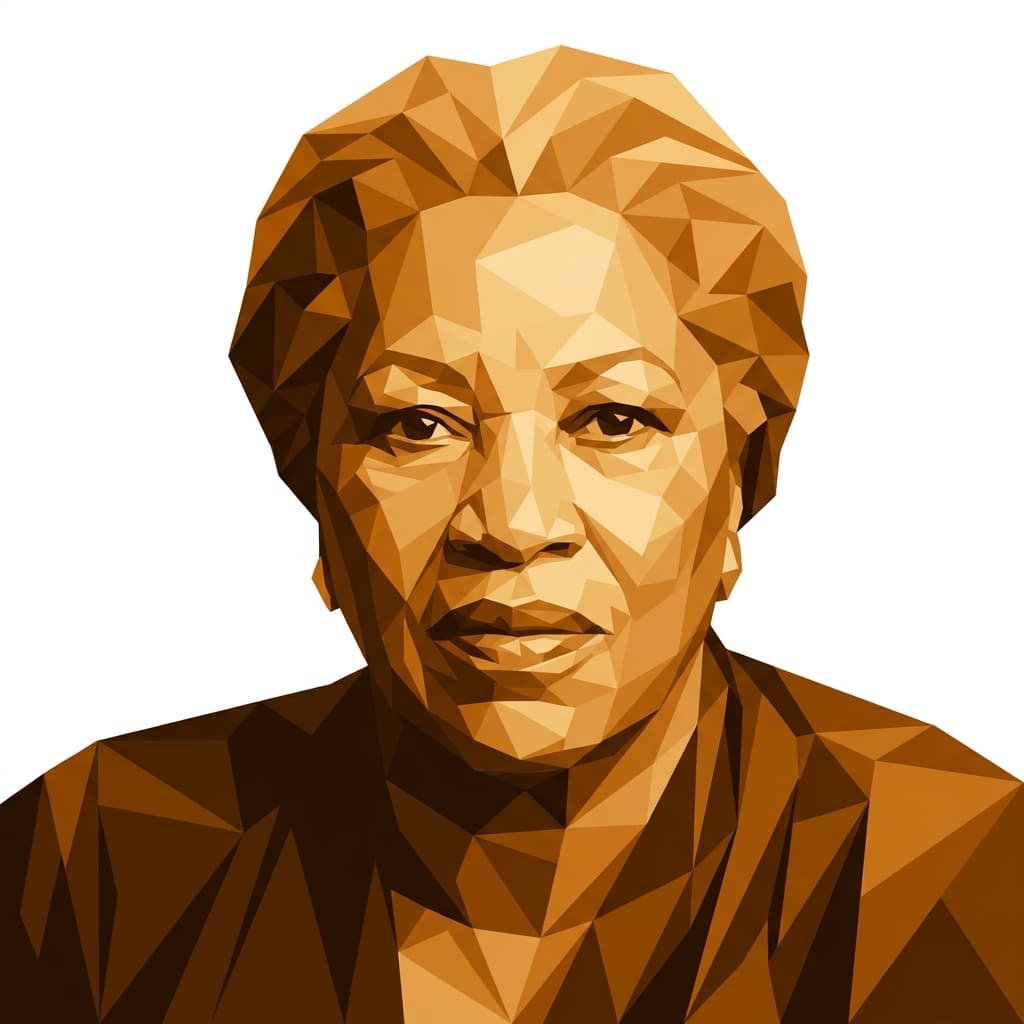
American R&B singer, songwriter, and producer whose voice defined adult soul balladry across four decades.
Design
- Q60.6
- h56.6
- R62.6
- g22.4
- i47.4
- S58.4
- T13.6
- U30.6
- V37.4
- W46.5
- X52.3
- Y57.5
- Z4.1
Personality
- Q3.4
- h50.4
- R48.5
- g22.2
- i47.2
- S27.6
- T16.1
- U24.1
- V25.2
- W6.5
- X52.3
- Y57.3
- Z7.5
Luther Vandross was a Manifesting Generator — wired for speed and range, capable of writing, arranging, producing, and singing lead and background all in one session, then handing the whole thing back polished. That non-linear, do-everything energy is why he spent the 1970s as one of New York's most in-demand session and jingle singers before he ever released a solo record. He sang on Bowie's Young Americans, arranged its background vocals, and floated between Chic, Bette Midler, Roberta Flack, and Quincy Jones dates while patiently waiting for the right project to light him up.
His 4/6 profile — the community-rooted role model — showed up in how he built his career from the inside out. Luther never went looking for a label deal cold; the opportunities came through the network of singers, arrangers, and musicians he'd already earned trust with. When Epic finally signed him in 1981, Never Too Much went platinum on the strength of word-of-mouth in exactly the community he'd been serving for a decade. He later became the mentor others quietly measured themselves against, producing Aretha Franklin's Jump To It and Dionne Warwick's How Many Times Can We Say Goodbye with the authority of someone who'd absorbed a whole tradition.
The voice itself was a mastery project. He'd been obsessively refining his instrument since childhood, studying Dionne, Aretha, and Diana Ross records until he could hear every breath. In the studio he was famously exacting — stacking twenty, thirty background vocal tracks, hearing tones and blend the way other people hear melody, rewriting a harmony at 3 a.m. because one interval wasn't quite sitting. Nile Rodgers called him the best background vocal arranger who ever lived. That kind of precision came from a deep well of craft knowledge he trusted absolutely.
Ballads were his real territory because he understood something specific about longing. "A House Is Not a Home," "Superstar," "So Amazing," "Here and Now" — these were songs about wanting something with an intensity that borders on ache, and Luther sang them like a man who'd been on both sides of the door. He was intensely private about his own romantic life, but the material didn't hide anything. He made records for grown people who'd loved and lost and were willing to sit with it.
He was also, by every account, the friend who remembered everyone's birthday and held the group together — loyal to his band, his background singers, his mother, his tight circle. That warmth coexisted with a lifelong, painful relationship to his own body and weight, a cycle of dramatic losses and gains he spoke about openly. There was a tenderness in how he cared for the people around him that he struggled to extend to himself.
The 2003 stroke came two months after he'd finished Dance with My Father, a song written for the dad he'd lost as a child. It won Song of the Year at the Grammys while he was still recovering; he sent a video message from rehab. He died in 2005 at fifty-four, having turned a lifetime of listening into stories only he could tell — the definitive voice of quiet-storm soul, and a craftsman whose fingerprints are still on nearly every love song that followed.
Sources: biography · birth data
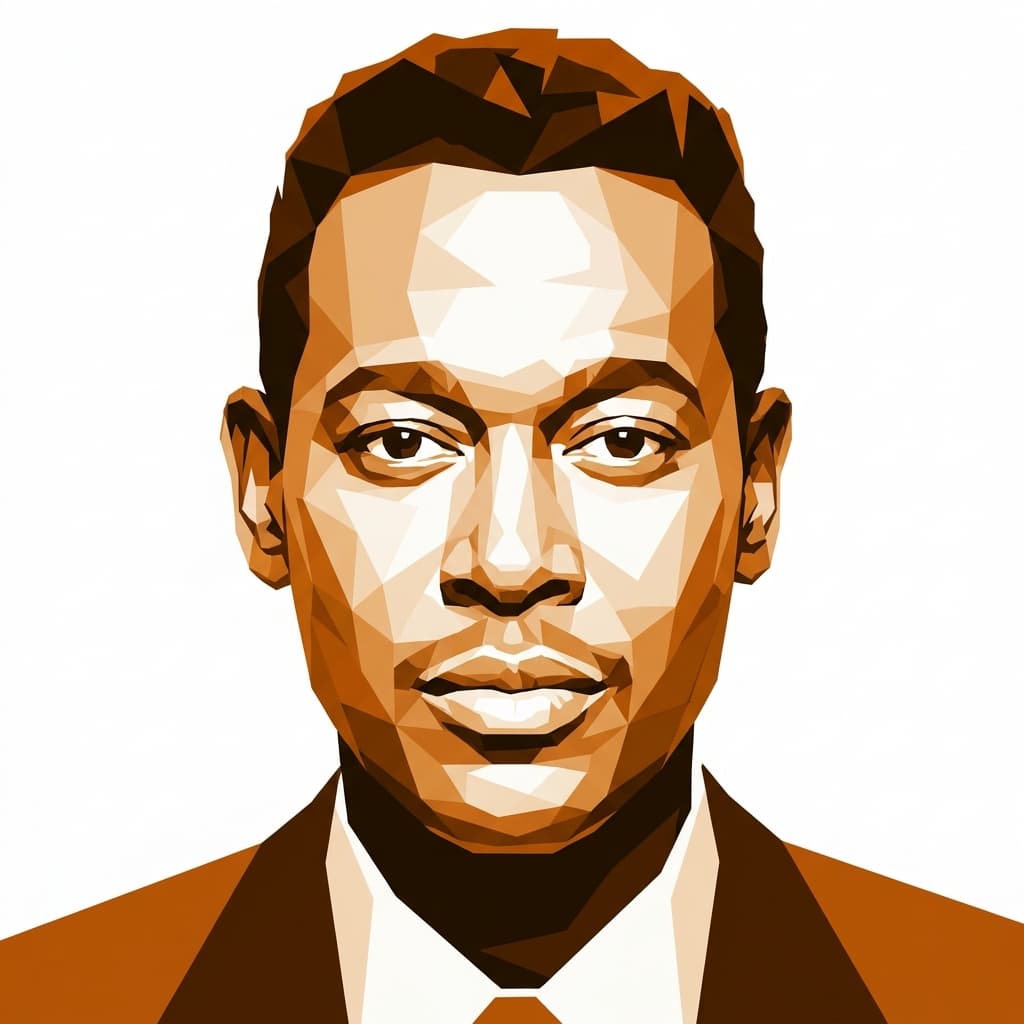
What do you and Luther Vandross have in common?
Enter your birth details to find out