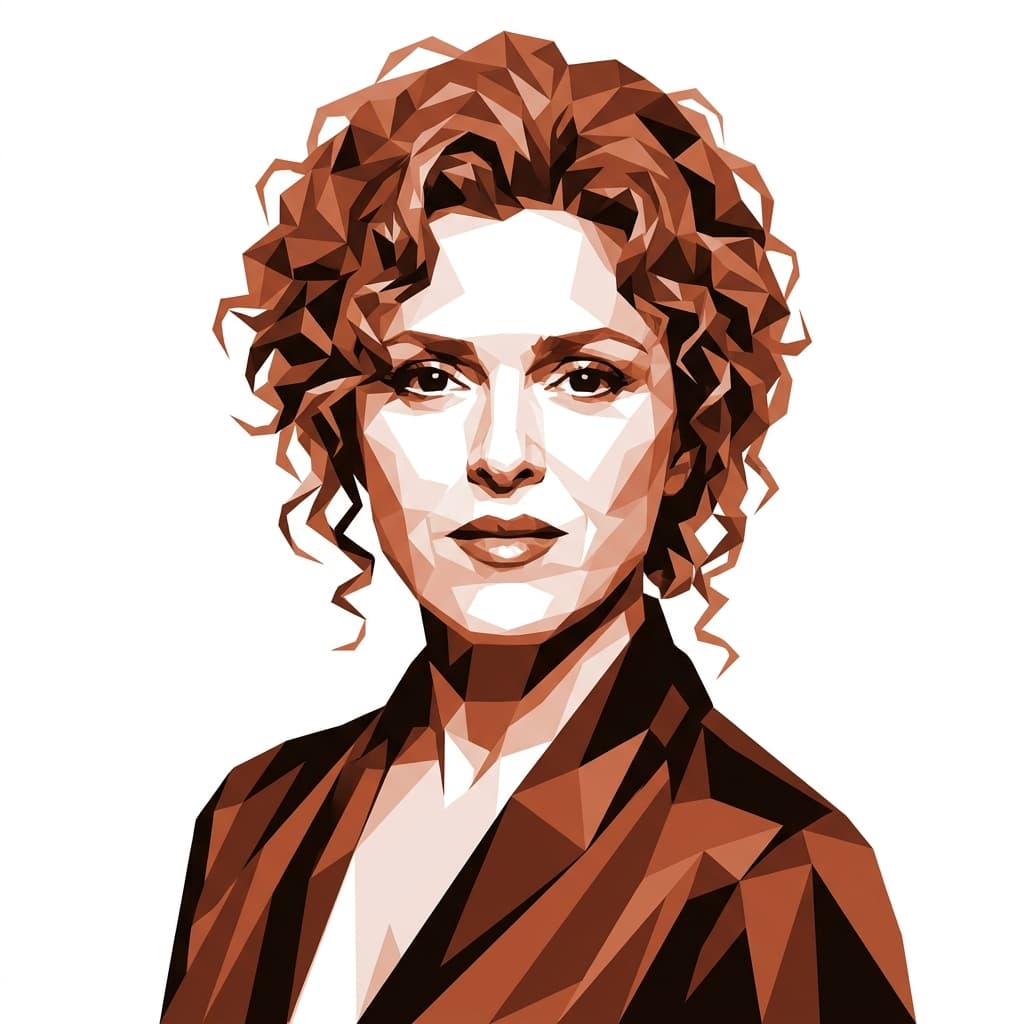
Greek-American soprano who redefined opera through fierce dramatic intensity and obsessive vocal craftsmanship.
Design
- Q64.1
- h63.1
- R52.6
- g64.1
- i63.1
- S18.6
- T40.6
- U59.4
- V1.1
- W57.4
- X63.5
- Y7.6
- Z39.3
Personality
- Q9.5
- h16.5
- R18.3
- g40.1
- i37.1
- S26.4
- T10.4
- U50.4
- V34.2
- W50.3
- X63.3
- Y4.2
- Z39.3
Maria Callas was a Generator — built for deep, sustained immersion in a single craft, and the arc of her career shows what happens when that immersion becomes total. Born in Manhattan to Greek immigrant parents and shipped back to Athens as a teenager during the war, she began studying voice with Elvira de Hidalgo at thirteen, arriving each morning at the conservatory before the other students and leaving after them. That relentless, self-directed practice regimen wasn't discipline in the ordinary sense — it was the pursuit of mastery through obsessive repetition, and it carried her from a heavy, unwieldy instrument in her teens to the most talked-about voice in postwar opera.
Her 5/1 profile — the researcher who then steps out to solve problems — describes almost exactly what she did to opera itself. She spent years excavating scores everyone else considered unsingable: forgotten Cherubini, Bellini's Il Pirata, Donizetti roles that had been sitting in libraries for a century. She'd dig through the foundations until she found what was really there, then walk onstage at La Scala and reintroduce the piece to the world. Bel canto revival wasn't a movement she joined; it was a problem she personally solved, and audiences projected onto her the near-mythic authority the profile tends to attract.
She sang from convictions her body wouldn't let her override, and this is where the trouble started. When she felt bronchitis coming on during the 1958 Rome Norma — with the President of Italy in the audience — she walked off after the first act. The press crucified her. She didn't care; she'd decided she couldn't sing it, and no external pressure was going to move her. Similarly, when she fired her old, comfortable, matronly self and lost sixty-odd pounds in a year, she was rewriting who she was in public without apology, refusing the version of herself that others had grown attached to.
Her voice was famous for its capacity to pull raw feeling out of the room — to make audiences weep at Violetta's letter scene or shudder through Medea's curse. Colleagues described her as fanatical about pronunciation, phrasing, breath marks, the exact color of a vowel. That obsessive attention to what wasn't working, the ear tuned to every imperfection in her own instrument, is also what wore the instrument down early. By her mid-thirties the top notes were fraying. She kept singing anyway, then didn't.
The relationships were operatic in their own right — the long marriage to Meneghini, who managed her; the affair with Onassis, which ended when he married Jackie Kennedy; a hunger for connection that pulled her past her own better judgment. Emotional decisions made from inside the wave rather than after it passed cost her repeatedly, in contracts torn up and friendships severed on impulse.
She spent the last years in a Paris apartment, mostly alone, listening to her own recordings and picking them apart. Her Strategy had always been to respond only to what genuinely lit her up; by the end, very little did. She died in 1977, fifty-three years old, having permanently changed what opera singers were allowed to be.
Sources: biography · birth data
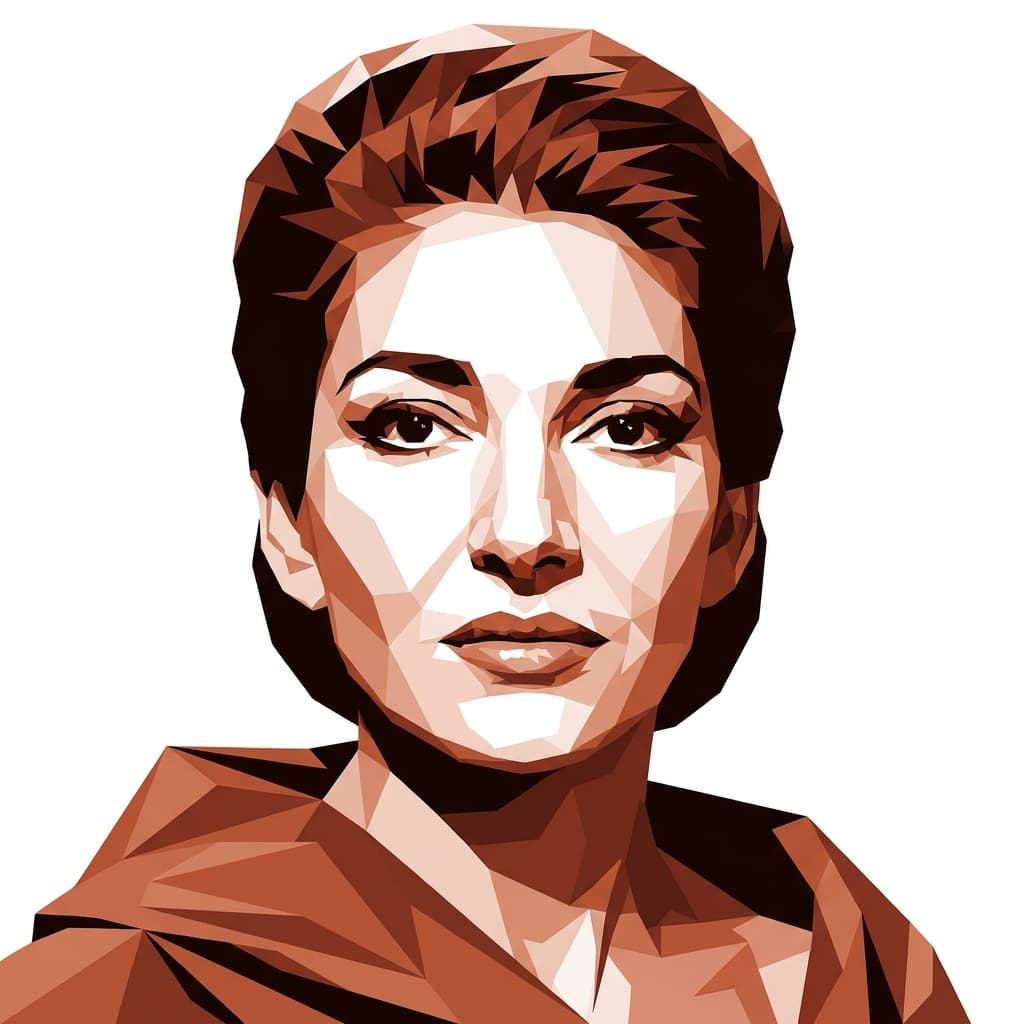
What do you and Maria Callas have in common?
Enter your birth details to find out