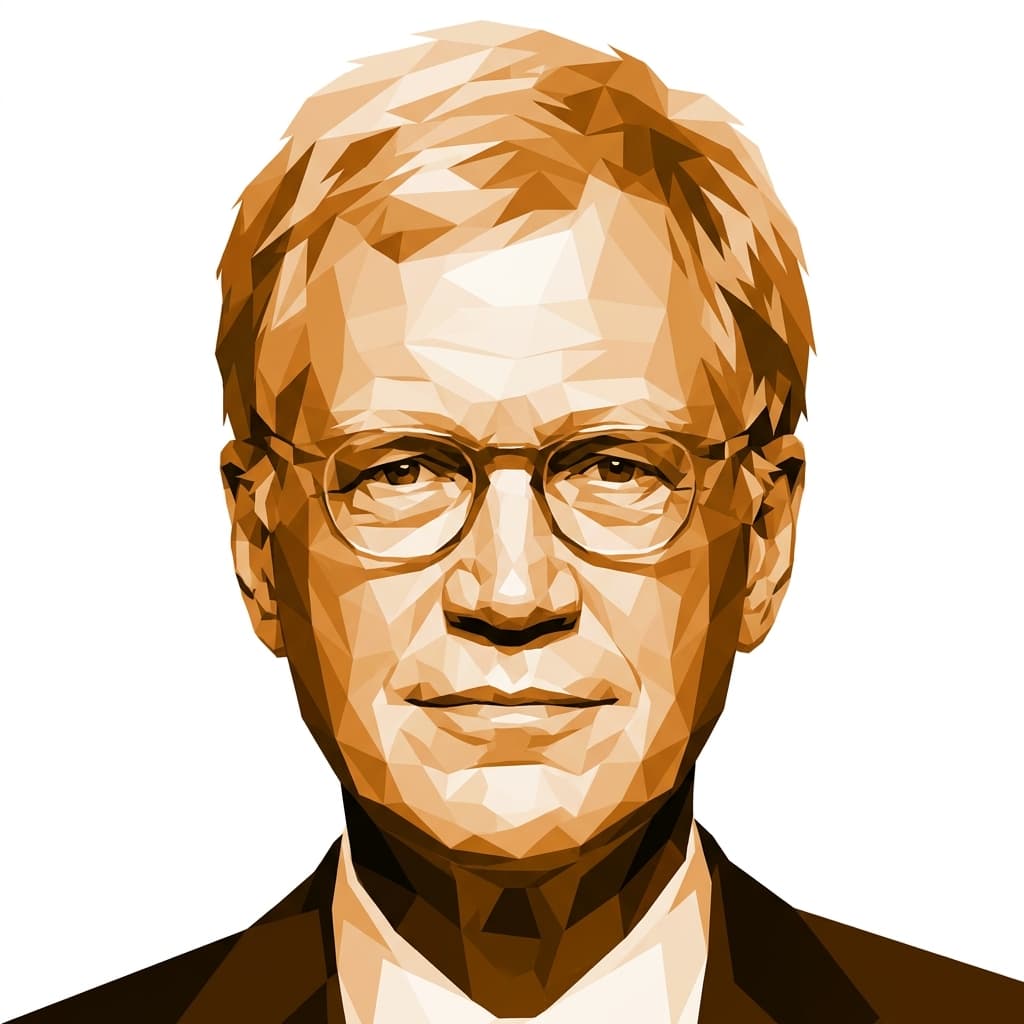
Polish-French physicist who discovered polonium and radium, winning two Nobel Prizes in different sciences.
Design
- Q7.4
- h13.4
- R5.3
- g64.4
- i63.4
- S31.5
- T31.3
- U46.1
- V55.5
- W1.5
- X39.2
- Y21.6
- Z2.4
Personality
- Q1.2
- h2.2
- R63.6
- g64.2
- i63.2
- S9.1
- T14.2
- U14.6
- V30.4
- W14.1
- X39.4
- Y21.4
- Z2.2
Marie Curie was a Manifesting Generator — built for sustained, obsessive work across more than one field at once, which is exactly what her life became. She won a Nobel Prize in Physics in 1903 for research on radiation, then another in Chemistry in 1911 for isolating radium and polonium — still the only person to win in two distinct sciences. The path there was not tidy. She spent years tutoring in Warsaw to fund her sister's medical studies in Paris before going herself, arriving at the Sorbonne in 1891 speaking imperfect French and finishing first in her physics degree three years later.
Her early Paris years were famously spartan: an unheated garret, bread and tea, studying until she fainted. This wasn't performance — it was the laser concentration that finds what everyone else misses. When Henri Becquerel reported strange rays coming off uranium salts in 1896, Curie responded to something already showing up in the world rather than casting about for a thesis topic. She chose to measure it. That single choice — following a signal that lit her up — opened the entire field of radioactivity, a word she coined.
The work itself required the kind of ritualized daily labor most people can't sustain. To isolate a decigram of radium chloride, she and Pierre processed tons of pitchblende residue in a leaky shed, stirring vats with an iron rod nearly her own height, year after year. She kept meticulous notebooks — still radioactive today, stored in lead-lined boxes — and questioned every measurement until the logic held. Einstein later said she was probably the only person in his acquaintance whom fame had not corrupted.
Curie had a 2/4 profile, the hermit who nonetheless builds a life through a small, essential community. She was famously private, uncomfortable at ceremonies, and preferred her laboratory to salons — yet her opportunities arrived through relationships: Pierre, her sister Bronisława, her students, the network of scientists who defended her when the French press turned on her. After Pierre was killed by a horse-drawn wagon in 1906, she took over his professorship at the Sorbonne, the first woman to teach there. Her grief was enormous but she let the feeling move through without trying to name it or fix it, pouring it into the diary she kept addressed to him and back into the radium work.
The 1911 Langevin affair — leaked love letters, mobs outside her house, a xenophobic press calling her a foreign homewrecker — broke almost anyone else. She waited days before responding to the pressure to withdraw from the Nobel ceremony, then went to Stockholm anyway and delivered her lecture. During World War I she designed mobile X-ray units, trained women to operate them, and drove one herself to the front. She was directing enormous energy toward work that actually mattered to her, refusing to patent the radium isolation process so the science could spread freely.
She died in 1934 of aplastic anemia, almost certainly from decades of radiation exposure. Her daughter Irène won a Nobel the following year. Curie had brought something genuinely original into a field that didn't yet exist — and then kept doing it, quietly, until her body gave out.
Sources: biography · birth data
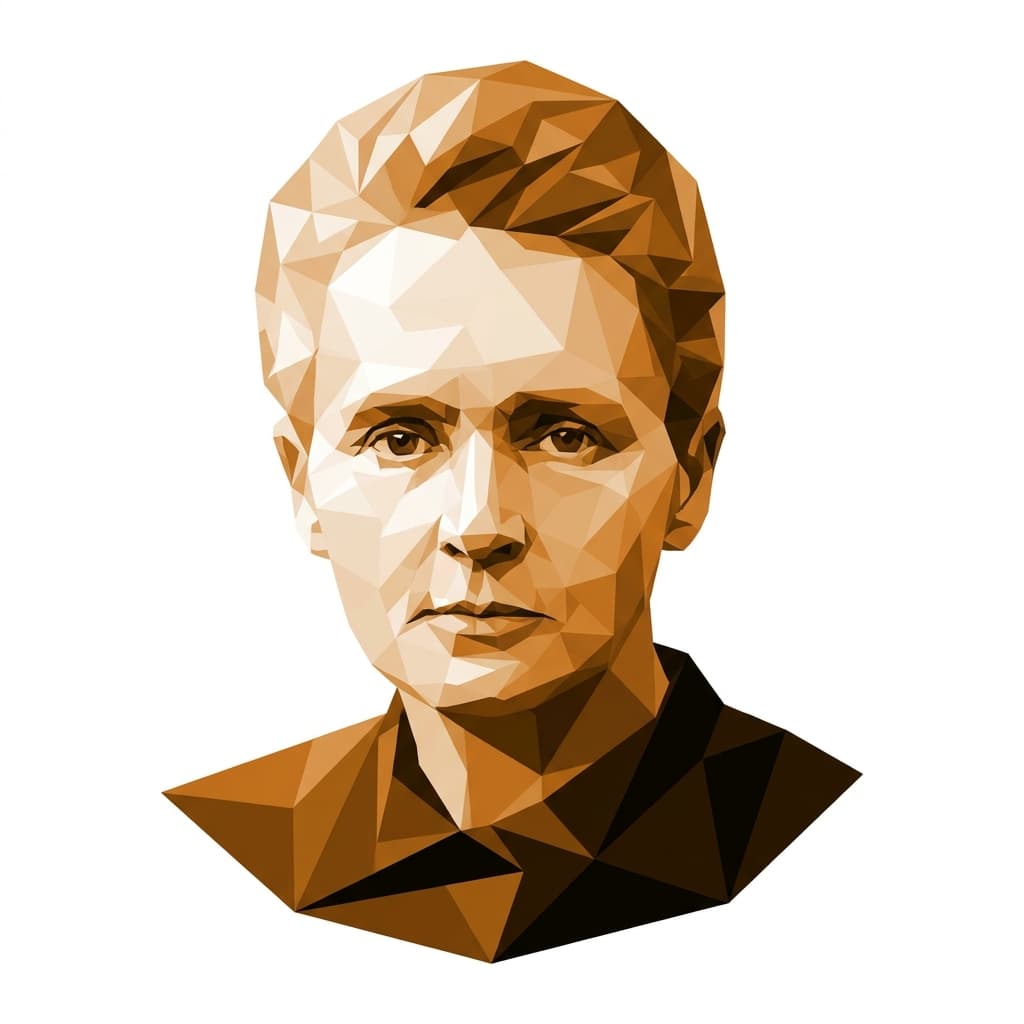
What do you and Marie Curie have in common?
Enter your birth details to find out