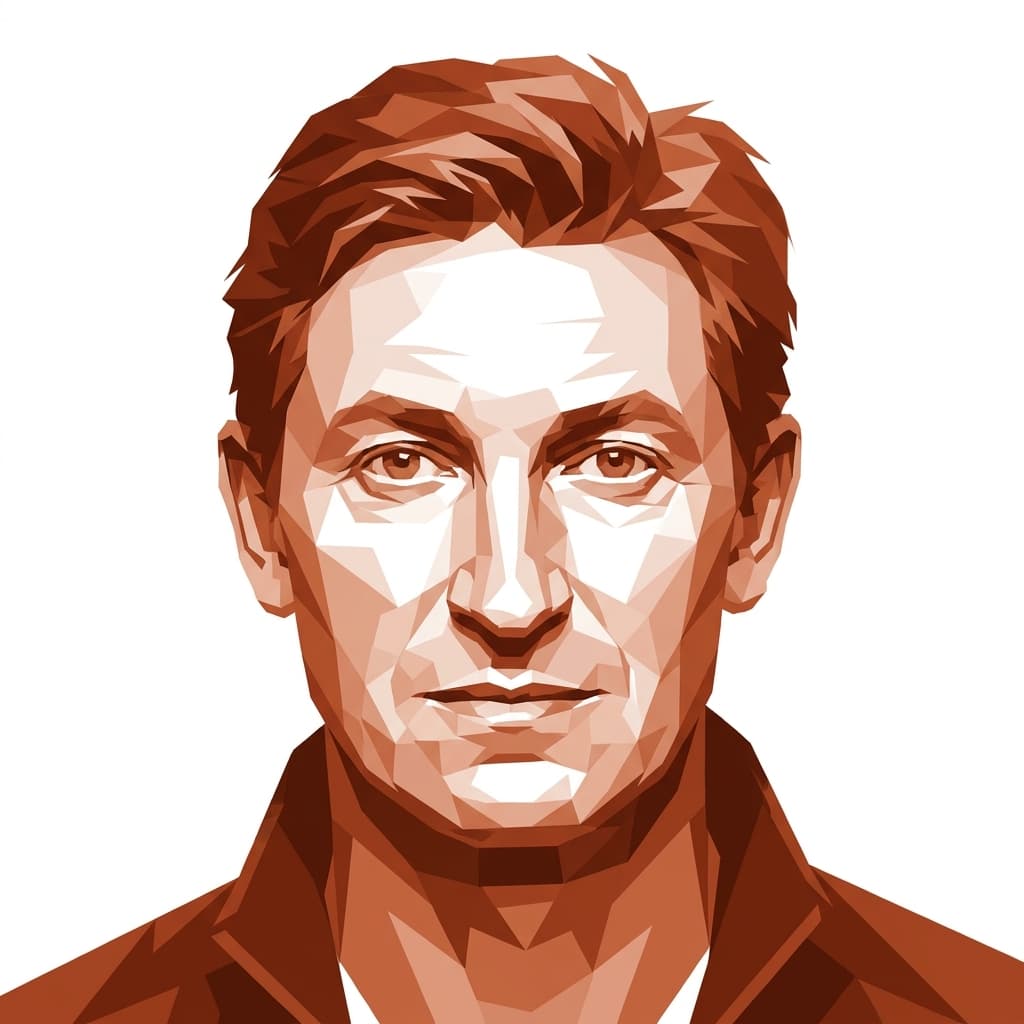
American actor and activist known for emotionally grounded performances and outspoken environmental advocacy.
Design
- Q59.2
- h55.2
- R3.6
- g3.4
- i50.4
- S59.3
- T40.3
- U43.2
- V4.1
- W21.3
- X6.1
- Y43.4
- Z47.3
Personality
- Q14.6
- h8.6
- R56.4
- g3.2
- i50.2
- S44.4
- T48.5
- U61.3
- V59.5
- W17.3
- X46.1
- Y43.6
- Z47.6
Mark Ruffalo is a Generator — built for the long, patient mastery of a craft rather than the quick burn, and his career bears that out almost embarrassingly. He auditioned roughly 600 times before landing a part anyone remembers. Most people would have quit; Ruffalo kept showing up, tending bar in Los Angeles, writing plays at the Stella Adler studio, and waiting for something to actually light up his gut before recommitting. The breakthrough — Kenneth Lonergan's You Can Count on Me in 2000 — arrived more than a decade into the grind, exactly when a Generator's stamina has finally compounded into something undeniable.
He has a 6/2 profile, the role-model-and-hermit, and the shape of his life follows it almost too cleanly. The messy first act — Wisconsin kid, hairdresser's son, dyslexic, drifting between Virginia Beach and San Diego before landing in L.A. — gave way, after a brain tumor diagnosis in 2001 left him temporarily paralyzed on one side of his face, to a long retreat upstate. He moved to a farmhouse in the Catskills, withdrew, raised three kids, and only re-emerged once he had something genuine to offer. The pattern of pulling back to a quiet life and only re-engaging when ready runs through everything he does.
As an actor he works from the inside out, and friends and directors describe him as someone who needs a few days to feel into a script before he can answer. His performances in Spotlight, The Kids Are All Right, and the HBO miniseries I Know This Much Is True — where he played twin brothers, one schizophrenic — share a particular quality: emotional depth that doesn't perform itself, a willingness to sit inside grief or rage without sanding it down. He plays Bruce Banner the same way, as a man with a problem he can't logic his way out of.
Then there's the activism, which is where the chart gets loud. After fracking arrived in upstate New York, Ruffalo co-founded Water Defense and helped organize the campaign that led to the state's 2014 fracking ban. He has the pattern-recognition that spots a danger early and a need to understand exactly how the harm works, and he turned both on the gas industry with a tenacity that surprised people who thought of him as the gentle guy from indie films. He shows up at pipeline protests, testifies in Albany, and uses his platform with the deliberate eye of someone who knows what deserves attention.
What ties the actor and the organizer together is a protectiveness about community and the things worth preserving — water, towns, his sons, the small theatres he keeps returning to. He's openly emotional in interviews, talks about his brother Scott's murder, talks about his own near-death, and seems mostly uninterested in the Hollywood version of himself. The stories he tells in public are pulled directly from his own life, which is exactly how a 6/2 eventually earns the role-model line on the resume: by living it first, then reporting back.
Sources: biography · birth data
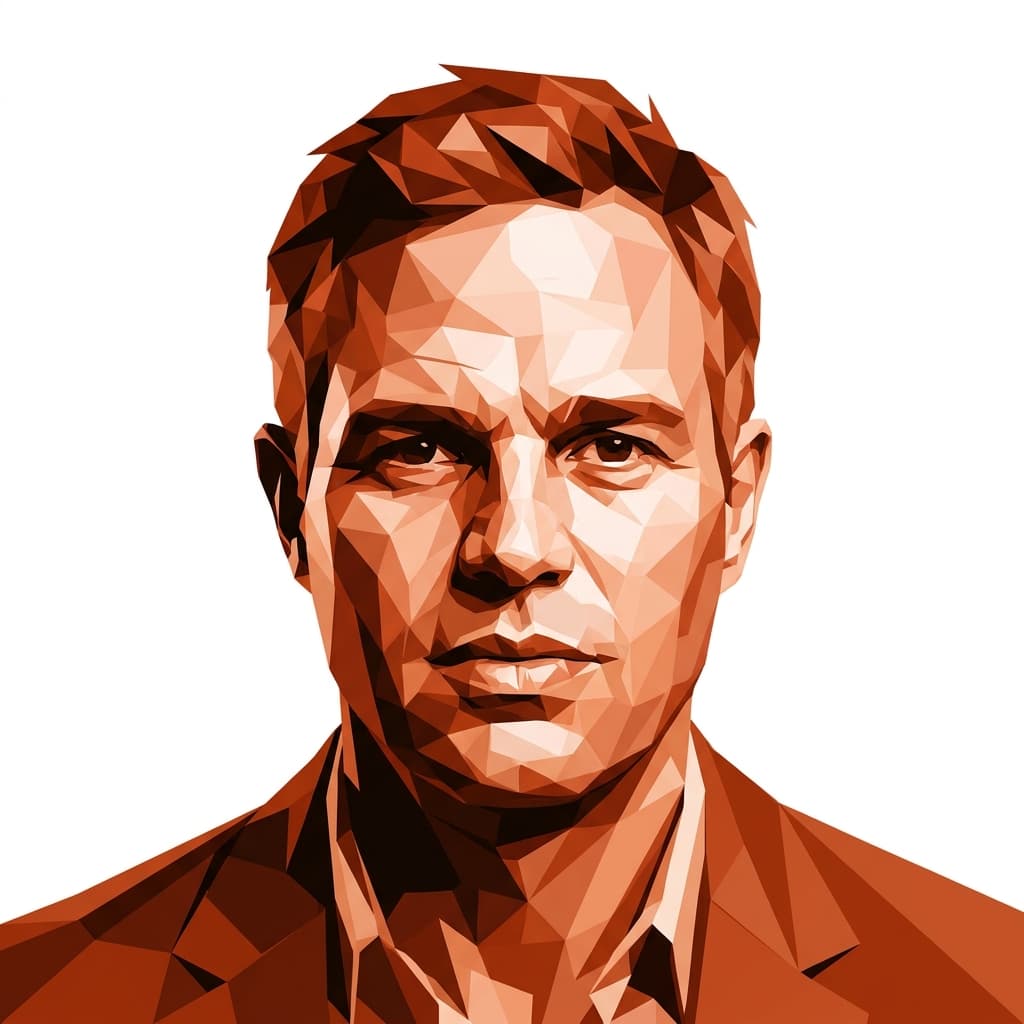
What do you and Mark Ruffalo have in common?
Enter your birth details to find out