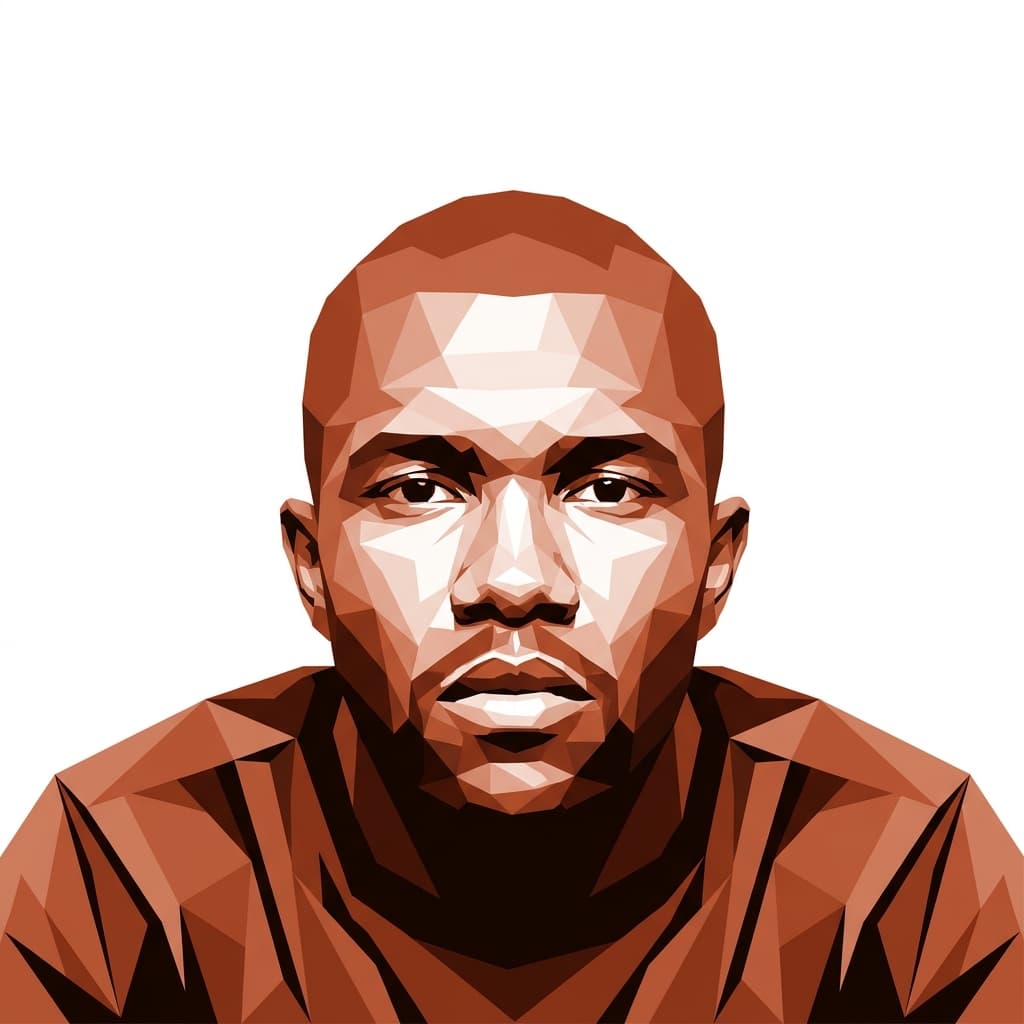
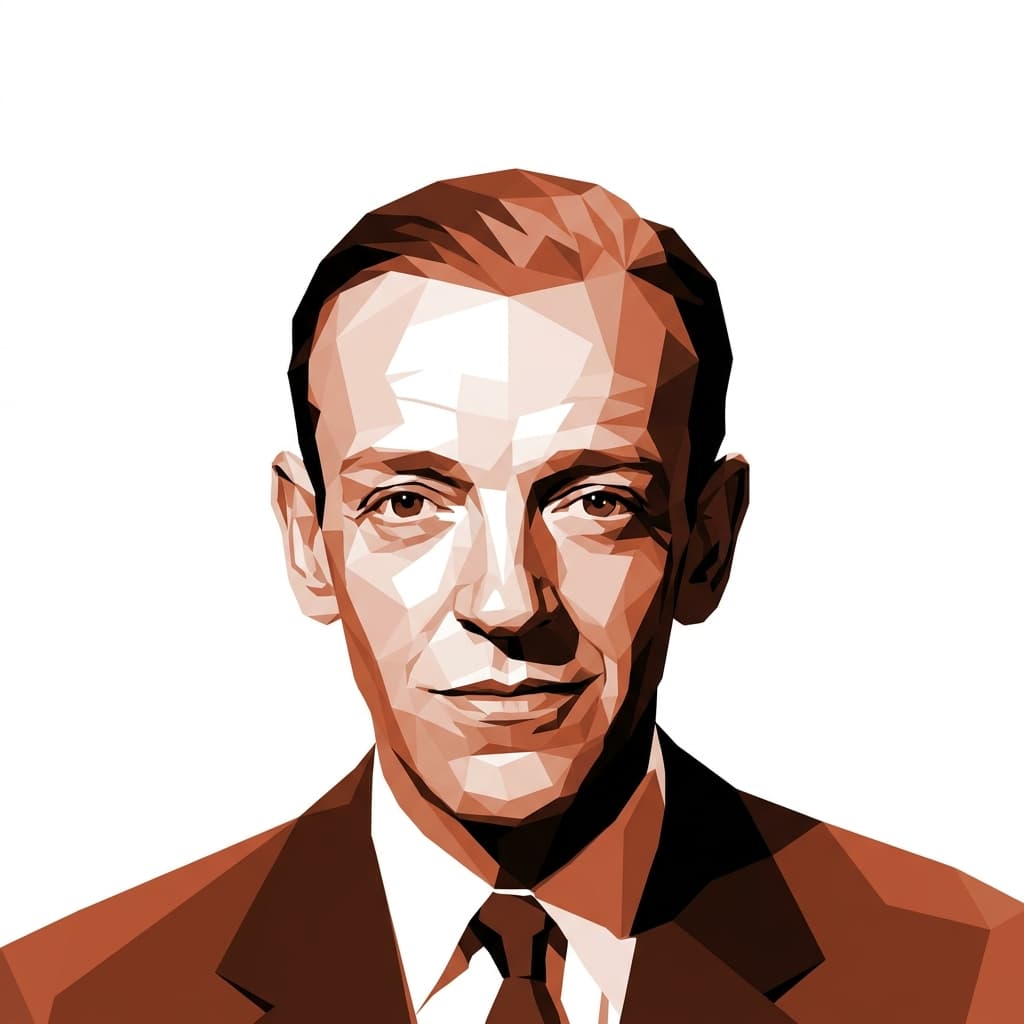
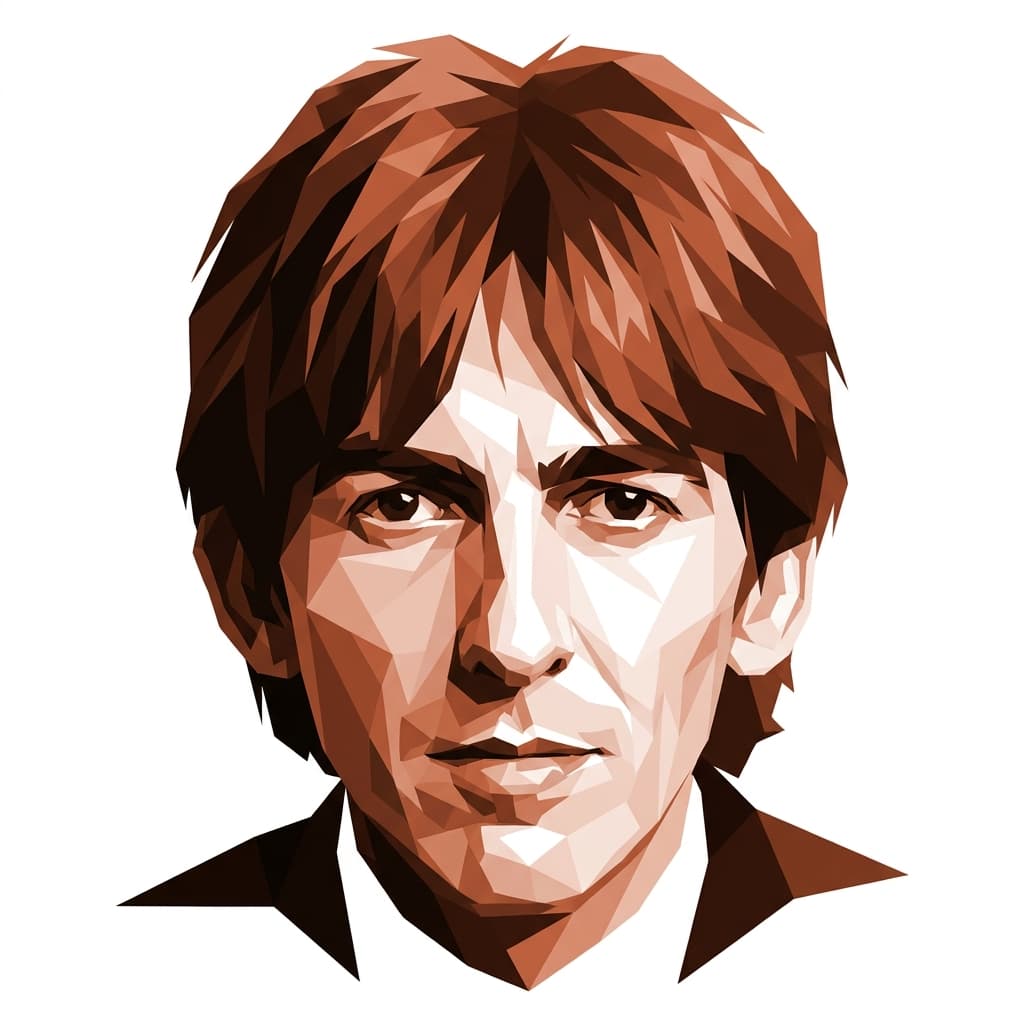
Canadian hockey legend known as "The Great One," the highest-scoring player in NHL history.
Design
- Q44.1
- h24.1
- R17.2
- g64.4
- i63.4
- S43.5
- T5.1
- U53.2
- V10.3
- W38.5
- X29.1
- Y44.2
- Z40.3
Personality
- Q41.5
- h31.5
- R16.4
- g40.1
- i37.1
- S49.2
- T36.1
- U15.3
- V54.6
- W61.2
- X4.6
- Y44.4
- Z40.2
Wayne Gretzky was a Generator — built for the long, repetitive labor of mastery, with the stamina to skate practice after practice and still want more ice time. From the backyard rink his father Walter flooded in Brantford, Ontario, he drilled the same patterns until they became something closer to perception than skill. He wasn't the fastest, biggest, or hardest-shooting player on any roster he ever joined; what he had was an instinct for the rituals that built him and the willingness to repeat them past the point where most kids would have quit.
What made Gretzky extraordinary wasn't strength but anticipation. He famously said he skated to where the puck was going, not where it had been — a description of a mind doing pattern recognition the rest of the league couldn't see yet. He read shifts and tendencies the way a chess player reads a board, processing past sequences into future probabilities in real time. Coaches noticed early that he saw the ice "from above," and his 5/1 profile — the investigator-turned-problem-solver — fits a player who spent his whole boyhood studying the game on television, tracing the puck with a pencil on a paper rink, building the foundation before anyone asked him to lead.
His scoring is famous; his playmaking is the deeper story. Gretzky finished his career with more assists than any other player has total points, a stat that reads like a personality trait. He set up linemates obsessively, committing fully once he found the right teammates to commit to, and behind the net in Edmonton he turned a previously-ignored patch of ice into "Gretzky's office." Surrounded by the right collaborators — Messier, Kurri, Coffey — his drive translated into transformation for the whole team, and the Oilers won four Stanley Cups in five years.
The 1988 trade to Los Angeles was the emotional rupture of his career, and the famous tearful press conference revealed an athlete who genuinely felt every wave of it rather than performing composure. He'd hated the idea, taken time with it, and ultimately moved — but the grief was real and public. In LA he did what 5/1s do when relocated: he built the foundation for an entire sport in a new market, turning hockey into a Hollywood event and quietly seeding the expansion teams that would follow across the American Sun Belt.
Off the ice he was unfailingly polite, almost old-fashioned, and carried an influence that didn't need volume. He didn't fight; he didn't trash-talk; he stood for the game itself in a way teammates organized themselves around. His captaincy was quiet, his leadership invitational rather than imposed — the kind of authority that emerges only after a person has done the work to earn it.
What lingers about Gretzky isn't a single goal or record but the cumulative impression of a craftsman who never stopped sharpening the same blade, responding to the game in front of him shift after shift, season after season. He retired in 1999 holding or sharing 61 NHL records. He is still, by most reasonable measures, the greatest hockey player who ever lived.
Sources: biography · birth data

What do you and Wayne Gretzky have in common?
Enter your birth details to find out