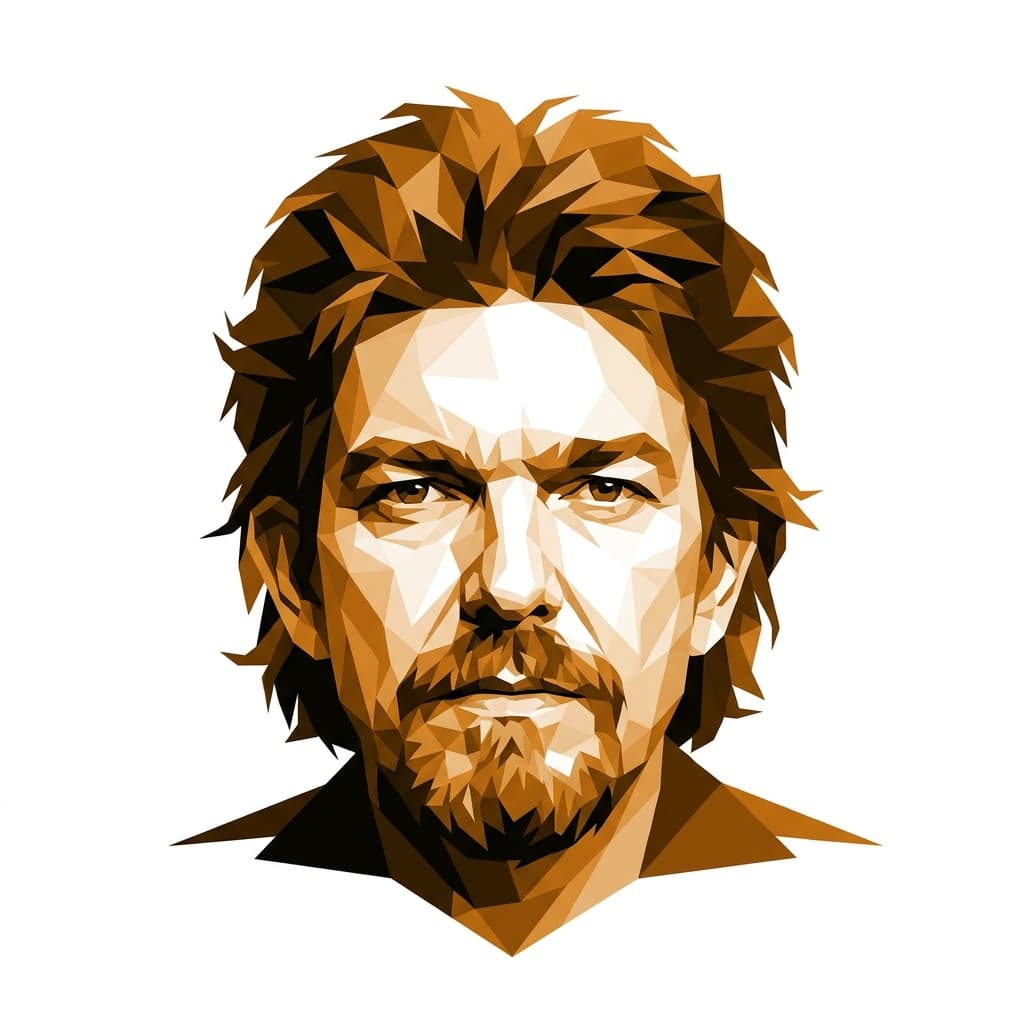
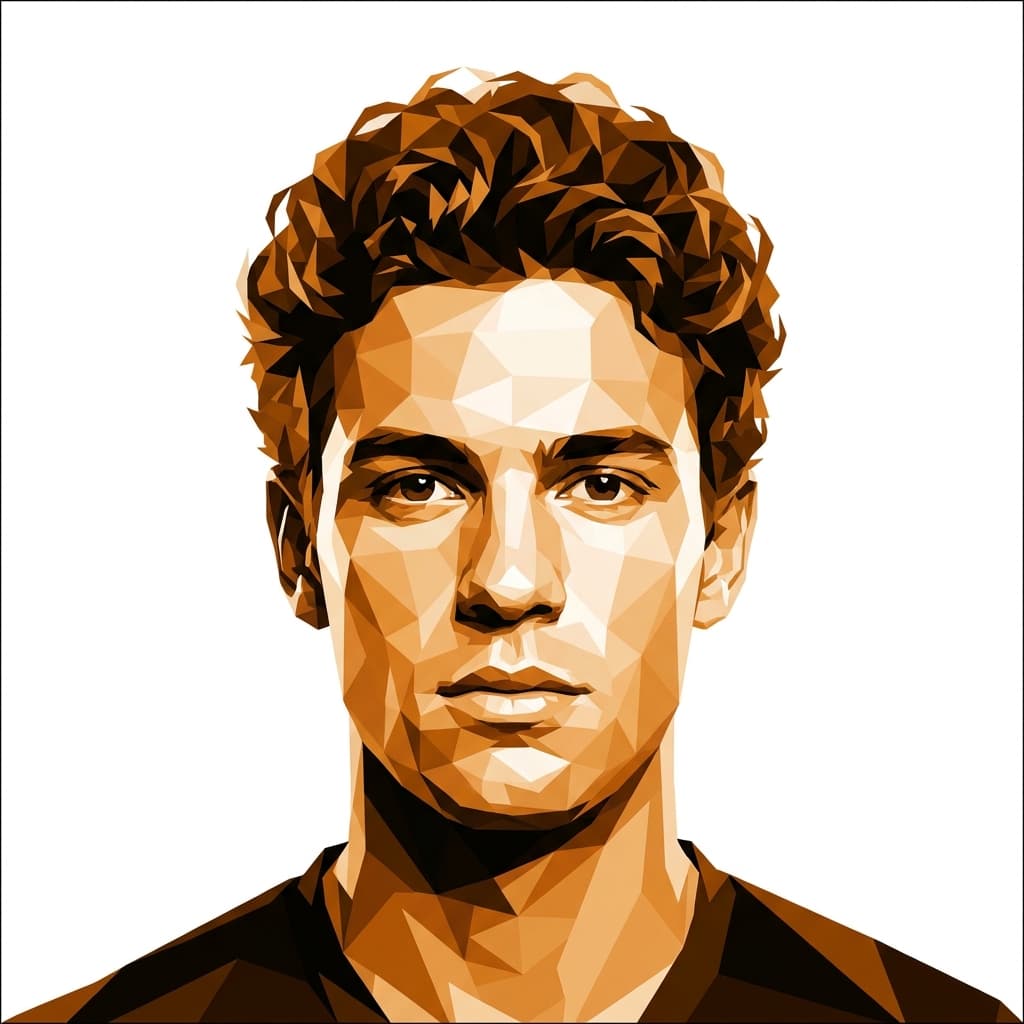
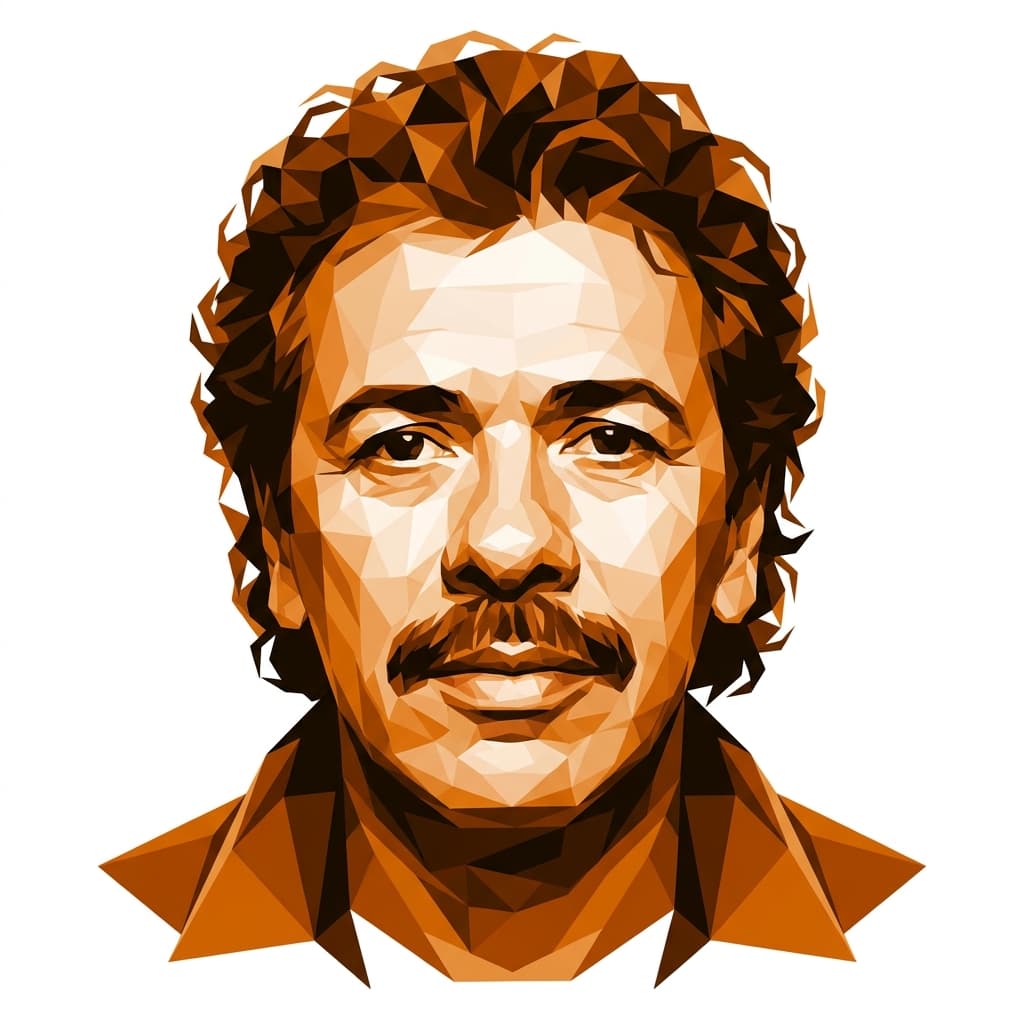
High Priestess of Soul — pianist, singer, and civil rights firebrand who refused every box.
Design
- Q34.5
- h20.5
- R1.5
- g63.3
- i64.3
- S26.4
- T50.4
- U40.1
- V47.4
- W60.5
- X51.6
- Y40.5
- Z62.3
Personality
- Q55.3
- h59.3
- R61.3
- g37.3
- i40.3
- S63.3
- T13.5
- U64.3
- V47.4
- W19.3
- X51.6
- Y40.4
- Z62.1
Nina Simone was a Manifesting Generator — wired to chase several arts at once and refuse to niche down, which is exactly why no genre ever held her. She trained as a classical pianist, dreamed of being the first Black woman to play Carnegie Hall as a concert artist, and ended up making her name in jazz clubs, folk halls, blues records, and Broadway songbooks, often inside the same set. Eunice Waymon became "Nina Simone" almost overnight in 1954 when she needed a stage name to hide bar work from her mother — a pivot made fast and without apology when the opportunity at an Atlantic City club showed up and her gut said yes.
Her 3/5 profile — the experimenter who becomes a reluctant prophet — describes her arc almost too neatly. She learned by doing, bombing, marrying badly, walking offstage, walking back on, and the wisdom she earned through all that wreckage was what made audiences listen when she finally spoke. After the 1963 bombing of the 16th Street Baptist Church in Birmingham, she wrote "Mississippi Goddam" in under an hour — the kind of song only someone who has lived it can write, and she sang it to white audiences in evening gowns until they understood she meant them.
Onstage she was famously volatile, and that volatility was an emotional wave she rode rather than hid. She would shush a coughing audience member mid-ballad, stop a song to demand attention, weep through "I Loves You, Porgy," then turn around and deliver a "Feeling Good" so transcendent it rewired the room. Her piano playing carried Bach inside the blues — original phrasing nobody else could have invented — and her voice did things in real time that studio takes never quite captured, because she was responding to whatever was alive in the room that night.
The civil rights movement gave her a cause large enough to hold her raw, magnetic stamina, and she poured it in. She befriended Lorraine Hansberry, Langston Hughes, James Baldwin; she sang at Selma; she wrote "To Be Young, Gifted and Black" as an anthem for children she would never have in numbers. Her work became a question put to a country that refused to answer honestly, and the cost was real — radio stations dropped her, the IRS came after her for tax protest, and by the mid-seventies she had left America for Barbados, Liberia, Switzerland, and eventually France.
She demanded loyalty and tribute the way royalty does, and felt wounded when the community she gave herself to didn't give back in kind. Late-life concerts could be glorious or catastrophic, sometimes both inside an hour. But what came through, always, was the full emotional weather of a person who refused to flatten herself — rage, tenderness, grandeur, despair, a girl from Tryon who practiced Czerny on a borrowed piano. She died in 2003, and the recordings keep doing what she did live: refusing to be background, insisting you sit up and feel something true.
Sources: biography · birth data
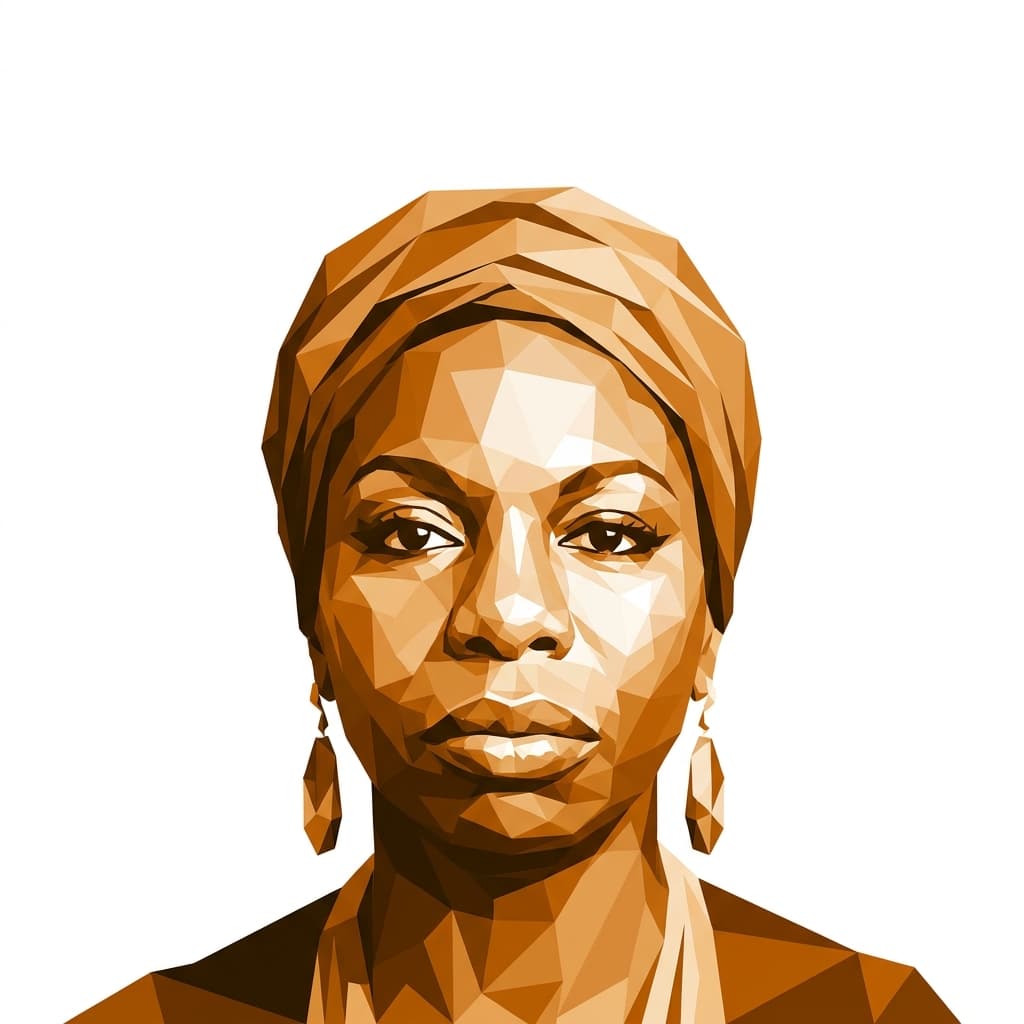
What do you and Nina Simone have in common?
Enter your birth details to find out