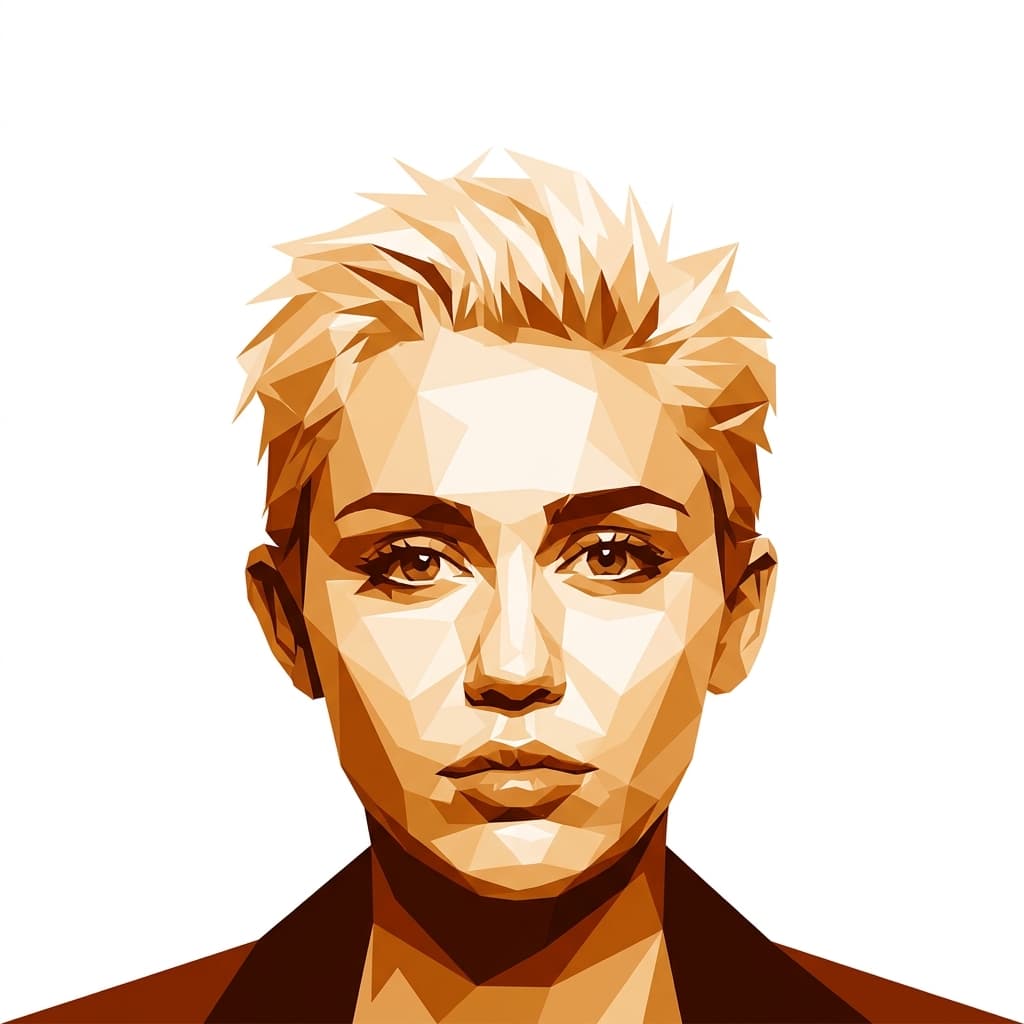
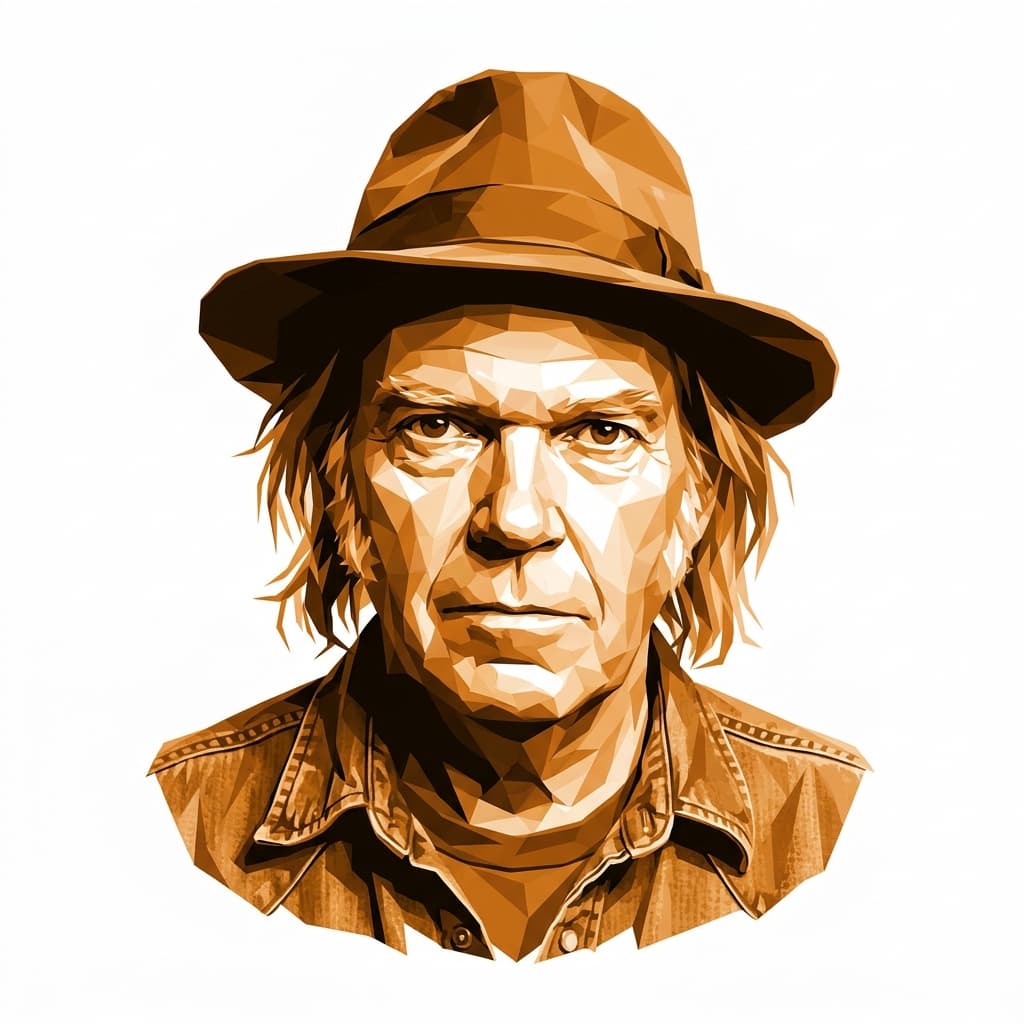
Missouri-born pop star whose drag-inflected reinvention turned a decade of grinding into overnight stardom.
Design
- Q34.4
- h20.4
- R48.3
- g64.6
- i63.6
- S11.3
- T54.4
- U38.4
- V13.3
- W21.5
- X41.4
- Y60.2
- Z34.6
Personality
- Q55.2
- h59.2
- R9.2
- g40.6
- i37.6
- S30.6
- T61.2
- U22.4
- V55.4
- W51.3
- X19.3
- Y60.5
- Z9.3
Chappell Roan is a Manifesting Generator — wired for multiple passions and bursts of speed, which is exactly how a teenager from Willard, Missouri ended up signing to Atlantic Records at seventeen, getting dropped at twenty-two, and then becoming one of the biggest breakout pop stars of the decade. Born Kayleigh Rose Amstutz, she posted YouTube covers from her bedroom, won a piano competition, and uploaded "Die Young" to YouTube in 2014. The label called. She moved to Los Angeles. And then, for years, nothing landed the way it was supposed to.
The slow build between her 2017 EP and 2023's The Rise and Fall of a Midwest Princess is the real Chappell Roan story — a long lesson in waiting for the right moment to commit rather than chasing every label demand. After Atlantic dropped her in 2020, she worked as a barista, a production assistant, a nanny. The pivot came when she stopped trying to be a sad-indie balladeer and let her gut decide what was actually fun — drag, camp, queer joy, glitter, screaming choruses. The Midwest Princess project was the version of herself that had been developing quietly during all that alone time in apartments and back rooms.
Her decision-making, by her own account, runs slow. She has talked openly about needing to step back from things, sleep on them, and check whether the yes still feels like a yes a few days later — the texture of someone who can't decide from an emotional spike. When the fame wave hit in 2024 — "Good Luck, Babe!" charting globally, the Lollapalooza crowd that swelled past 100,000, the Governors Ball set — she famously pulled back, posted about fan entitlement, declined to endorse a presidential candidate on demand, and skipped events she didn't want to do. The pop machine read it as difficult. It was her finite willpower telling her where the line was.
The songs themselves are a catalog of longing for an experience before it's even happened — pink ponies, hot-to-go cheerleader chants, casual sex with women in dive bars, the ache of small-town queerness. "Pink Pony Club" is literally a song about chasing a feeling she hadn't tasted yet, written before she'd ever been to the West Hollywood club it imagines. Her drag persona — named after her late grandfather Dennis K. Chappell and the Western "The Yearling" — let her shock her own audience out of expecting an indie folk singer and meet a different one entirely.
She is, by every interview, a careful listener who collects other people's stories and feeds them back as lyrics, and a community-loyal performer who credits drag queens, queer fans, and her longtime collaborator Daniel Nigro for the sound. When she accepted the 2025 Best New Artist Grammy, she used the speech to demand that labels offer developing artists a livable wage and healthcare — the kind of plainspoken thing said exactly when it needed saying. It was vintage Chappell: the femme costume, the Midwest accent, and a refusal to soften the message for the room.
Sources: biography · birth data
What do you and Chappell Roan have in common?
Enter your birth details to find out