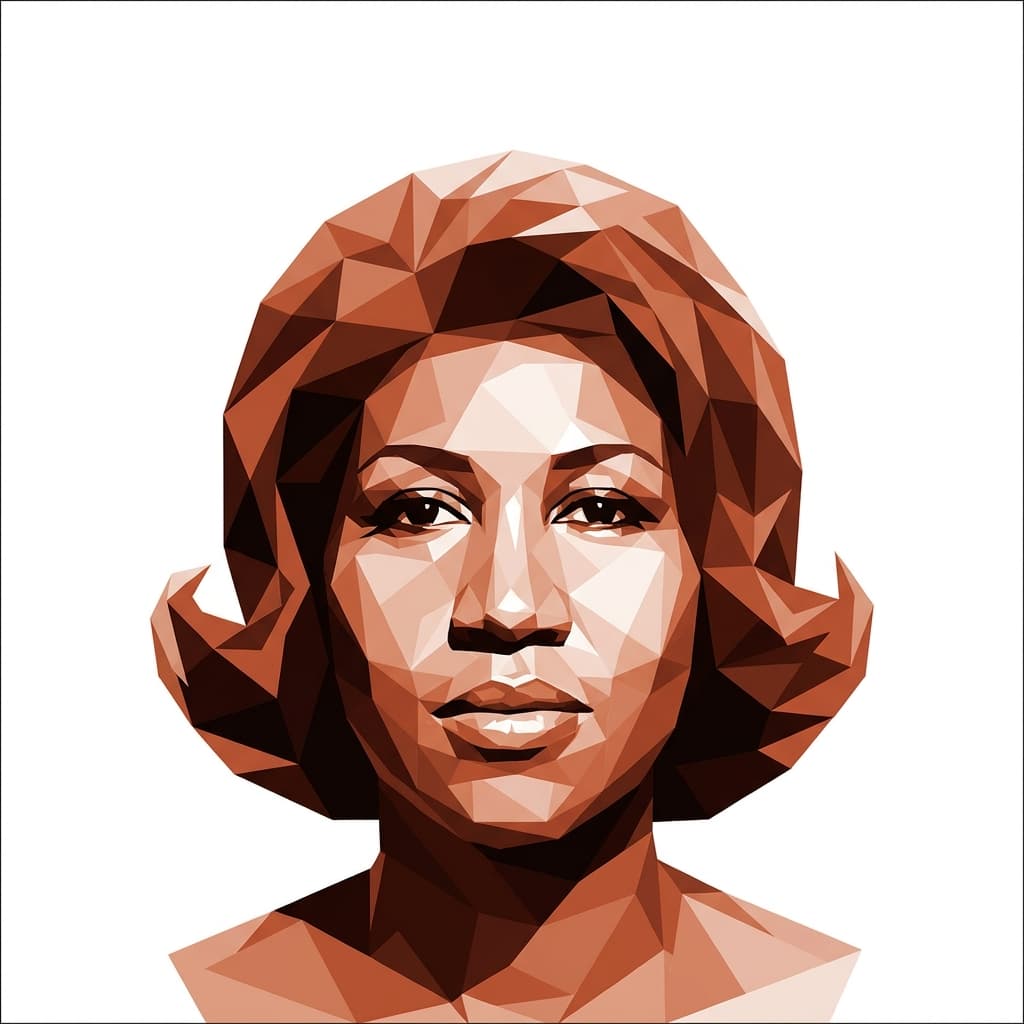
American boxing champion turned promoter, six-division world titleholder and 1992 Olympic gold medalist.
Design
- Q1.5
- h2.5
- R10.4
- g54.4
- i53.4
- S9.5
- T48.4
- U32.6
- V58.3
- W45.3
- X57.6
- Y34.5
- Z46.6
Personality
- Q13.3
- h7.3
- R55.3
- g54.2
- i53.2
- S49.3
- T60.4
- U11.3
- V61.6
- W35.3
- X32.3
- Y9.2
- Z18.1
Oscar De La Hoya was a Generator — built for the long, repetitive grind of roadwork and mitt drills, the kind of body that could absorb a decade of 5 a.m. wake-ups and still light up under the ring lights. From the gyms of East Los Angeles to the 1992 Barcelona Olympics, where he won gold at 19 fulfilling a promise to his late mother, his career was the work of someone designed to use his energy completely and drop into bed spent.
The Olympic win was the start of a trial-and-error climb typical of someone who learns by doing and only later becomes the leader others look to. He moved up in weight class after weight class — lightweight, welterweight, middleweight — winning titles in six divisions and losing some of the most discussed fights of his era, against Trinidad, Mosley, Mayweather, Pacquiao. Each loss became material; each comeback was the next experiment in a long apprenticeship, turning experience itself into the credential.
"The Golden Boy" nickname stuck because of something visible in the ring: a fighter who genuinely seemed to enjoy being looked at, an original showman who refused to fit the mold of the brooding pugilist. He sang on a Grammy-nominated mariachi album, modeled, smiled on magazine covers — choices that felt like public self-acceptance worn as armor, and which earned him both massive crossover popularity and resentment from purists who wanted their boxers grim.
In the ring his style had the laser focus on small openings that separates technicians from brawlers — the jab, the left hook, the patient setup. His gut would tell him when to commit, and the famous fights people still argue about are usually the ones where he either trusted that instinct completely or got talked out of it by a corner. The 12th round against Trinidad, when he stopped pressing and danced away, became a permanent case study in what happens when a Generator overrides their own body in favor of strategy.
After retiring in 2008 he built Golden Boy Promotions into one of the dominant forces in boxing, the kind of resource-stewarding operation that promoted Mayweather-Pacquiao and reshaped Latino boxing's economics. The transition fit a fighter whose ambition was always for more than just himself — promoter, businessman, voice for the Mexican-American boxing community he came from. He was the reluctant catalyst for an industry that had run on older models for decades.
The harder chapters — public battles with addiction, a stint in rehab, candid interviews about depression and the cost of being "the Golden Boy" since age 15 — read like a 3/5 doing the work of integrating what experience taught. He has talked openly, on his podcast and elsewhere, about the principles he had to rebuild from scratch after fame nearly dismantled him. The willingness to keep naming the fear and stepping into the next round anyway is, in the end, the through-line of his story.
Sources: biography · birth data

What do you and Oscar De La Hoya have in common?
Enter your birth details to find out