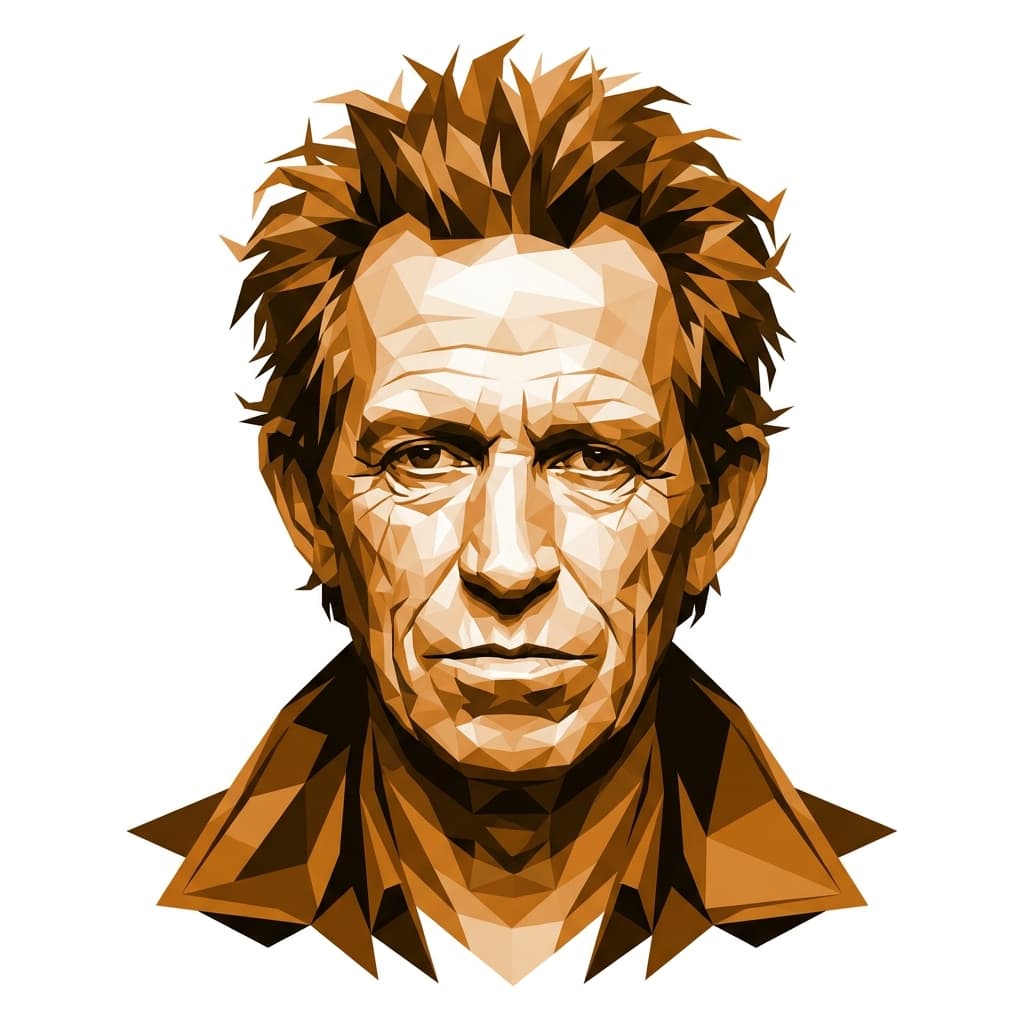
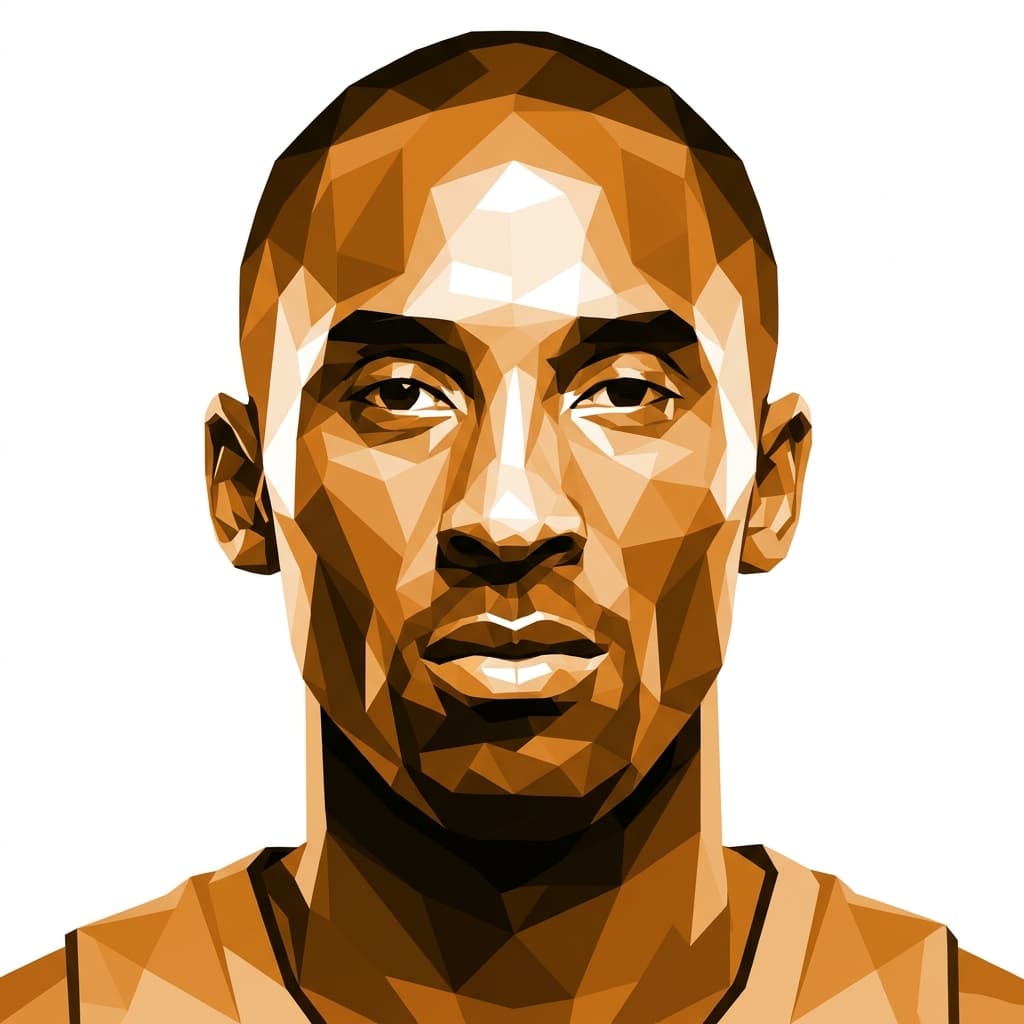
Black Sabbath frontman and heavy metal's Prince of Darkness, whose chaos became elder-statesman wisdom.
Design
- Q64.2
- h63.2
- R57.2
- g27.5
- i28.5
- S46.6
- T56.2
- U50.6
- V26.3
- W29.5
- X15.3
- Y48.3
- Z7.3
Personality
- Q9.6
- h16.6
- R38.5
- g27.3
- i28.3
- S9.1
- T44.2
- U58.2
- V10.6
- W40.1
- X15.2
- Y48.6
- Z7.4
Ozzy Osbourne was a Manifesting Generator — built for speed, mess, and multiple obsessions running at once — which is why his life reads less like a career and more like a series of full-body lunges toward whatever lit him up. Born John Michael Osbourne in a Birmingham row house in 1948, dyslexic and dirt-poor, he did stints in a slaughterhouse, a car-horn factory, and Winson Green prison before he ever picked up a microphone. Then in 1968 he saw an ad — "OZZY ZIG NEEDS GIG" was his side of it — and responded. Within two years he was fronting Black Sabbath and had invented, more or less by accident, a new genre of music.
Sabbath's early records were his gut talking. Ozzy had almost no formal training and famously couldn't read music, but the full-bodied yes lived in his throat, not his head, and the wail he put on "Iron Man" and "War Pigs" came out fully formed. His strategy of waiting for the riff to hit before opening his mouth was literal — Tony Iommi would play something, Ozzy would respond by humming a melody on top, and the song existed. He was drawn to the darker edges of experience others avoided, and to causes worth screaming about: Vietnam, nuclear brinkmanship, the meat-grinder of ordinary English life he'd escaped.
By 1979 the drugs and drinking had made him unmanageable and Sabbath fired him. What could have ended him became the pivot: with Sharon Arden (later Osbourne) managing, he rebuilt as a solo act, hired Randy Rhoads, and released Blizzard of Ozz. This is the 6/2 profile arc in its purest form — a chaotic, experimental first act followed by a role model second act built on hard-won wisdom. He kept choosing partners and collaborators on instinct, often plucking unknown virtuosos out of obscurity, and he committed to the touring life with a persistence that outlasted his own body.
The bat. The doves. Biting the head off both, allegedly by accident, entirely in character. Ozzy's public life was a run of experiences most people wouldn't survive, let alone repeat, and the fact that he did survive — quad bike crashes, overdoses, Parkinson's, spinal surgeries — is part of why he became beloved rather than merely famous. The Osbournes on MTV in 2002 revealed the domestic Ozzy: shuffling, sweet, baffled by the remote control, the reluctant patriarch at the center of a chaotic household. It was the 6/2 role model phase arriving on television — people didn't want his advice, exactly, they just wanted to watch him be himself.
Sharon was the negotiator who made the empire pay; Ozzy was the craft itself, the voice refined across fifty years of repetition. He kept touring long past when he should have stopped, kept recording — his final album Patient Number 9 came out in 2022 — and headlined a farewell show at Villa Park in July 2025, seated on a black throne because he could no longer stand. He died seventeen days later. What he left was a body of work carrying the weight of a life fully lived at the extremes, and the strange, hard-won dignity of a man who had, against all odds, become the kindly grandfather of heavy metal.
Sources: biography · birth data
What do you and Ozzy Osbourne have in common?
Enter your birth details to find out