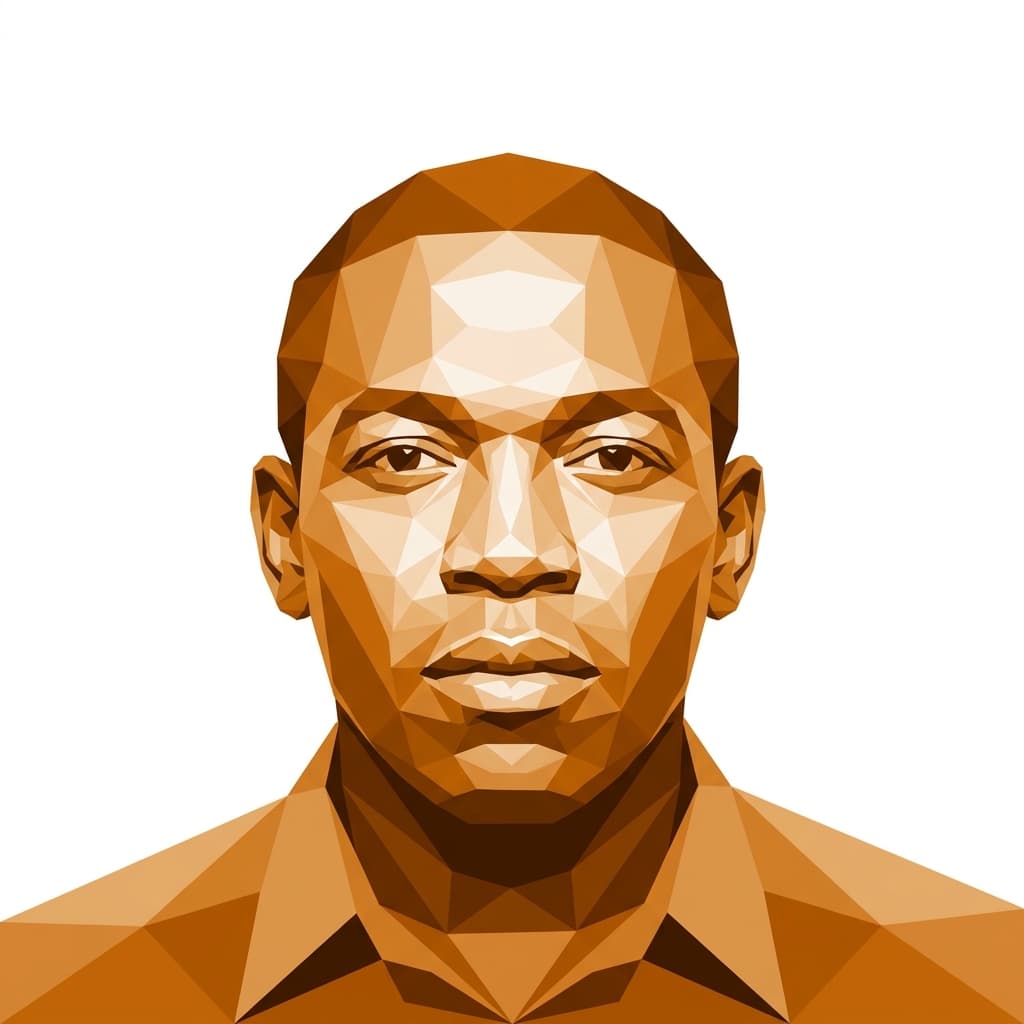
American soul singer whose 1966 ballad "When a Man Loves a Woman" became one of the genre's defining recordings.
Design
- Q59.6
- h55.6
- R52.6
- g48.3
- i21.3
- S29.5
- T53.6
- U40.1
- V2.3
- W2.2
- X8.2
- Y6.3
- Z31.2
Personality
- Q34.4
- h20.4
- R57.1
- g48.1
- i21.1
- S1.1
- T50.4
- U28.2
- V24.1
- W24.3
- X23.6
- Y6.6
- Z31.3
Percy Sledge was a Manifesting Generator whose career pivoted on a single, spontaneous vocal moment — a heartbroken hum that turned into a hymn. Born in Leighton, Alabama in 1940, he spent his early adulthood picking cotton and working as an orderly at Colbert County Hospital in Sheffield, singing to patients while he changed their sheets. He joined a regional group called the Esquires Combo on weekends, and it was inside that band, nursing a breakup and a job loss, that he began improvising the melody that would become "When a Man Loves a Woman."
The song's origin is the whole story of his chart in miniature. He didn't sit down to write a hit; he waited for something to move through him, moaning a phrase onstage until bandmates Calvin Lewis and Andrew Wright shaped it into a structure. When producer Quin Ivy heard him at Sheffield's Tune Town record shop in 1965, Sledge cut the vocal at Norala Sound in a few takes. Released in 1966, it went to No. 1 on both the pop and R&B charts — a debut single so complete it defined him forever. That opening howl was pure creative energy arriving as a wave he had to release, and the record's power came from how he stripped the ache down to something anyone could feel in a single line.
His voice carried the emotional fullness of a man who lived every high and low without editing them. He was a country soul singer more than a stylist — no melisma theatrics, no flash. What he had was presence, the ability to occupy a note like it was the only one that mattered, and an instinct for exactly how much sorrow a song could hold before it tipped into self-pity. Producers at Muscle Shoals learned quickly that Sledge worked best when the room was quiet and the arrangement got out of his way.
The 4/6 profile fit him almost too neatly. His early years were the messy experimental half — hospital work, weekend bands, a broken engagement — and by his mid-thirties he had settled into the role-model half, becoming a kind of elder statesman of Southern soul long before he was actually old. He toured relentlessly for five decades, especially in South Africa, where he became genuinely beloved and returned again and again. That community loyalty was the willingness to keep showing up for the people who kept showing up for him, and he took seriously the responsibility of carrying a song people had built their weddings and funerals around.
Sledge's emotional authority showed in how he handled the aftermath of that first hit. He never chased trends, never tried to modernize into disco or funk, never publicly resented that "When a Man Loves a Woman" would always outshine everything else he recorded. He kept releasing albums — Warm & Tender Soul, The Percy Sledge Way, and later Blue Night in 1994, which won him a W.C. Handy Award — but he understood his lane. He was inducted into the Rock and Roll Hall of Fame in 2005. When he died of liver cancer in 2015 in Baton Rouge, the obituaries all led with the same song, and he would have been the first to say that was fine. Some struggles are worth carrying because they made the voice that could sing them.
Sources: biography · birth data
What do you and Percy Sledge have in common?
Enter your birth details to find out