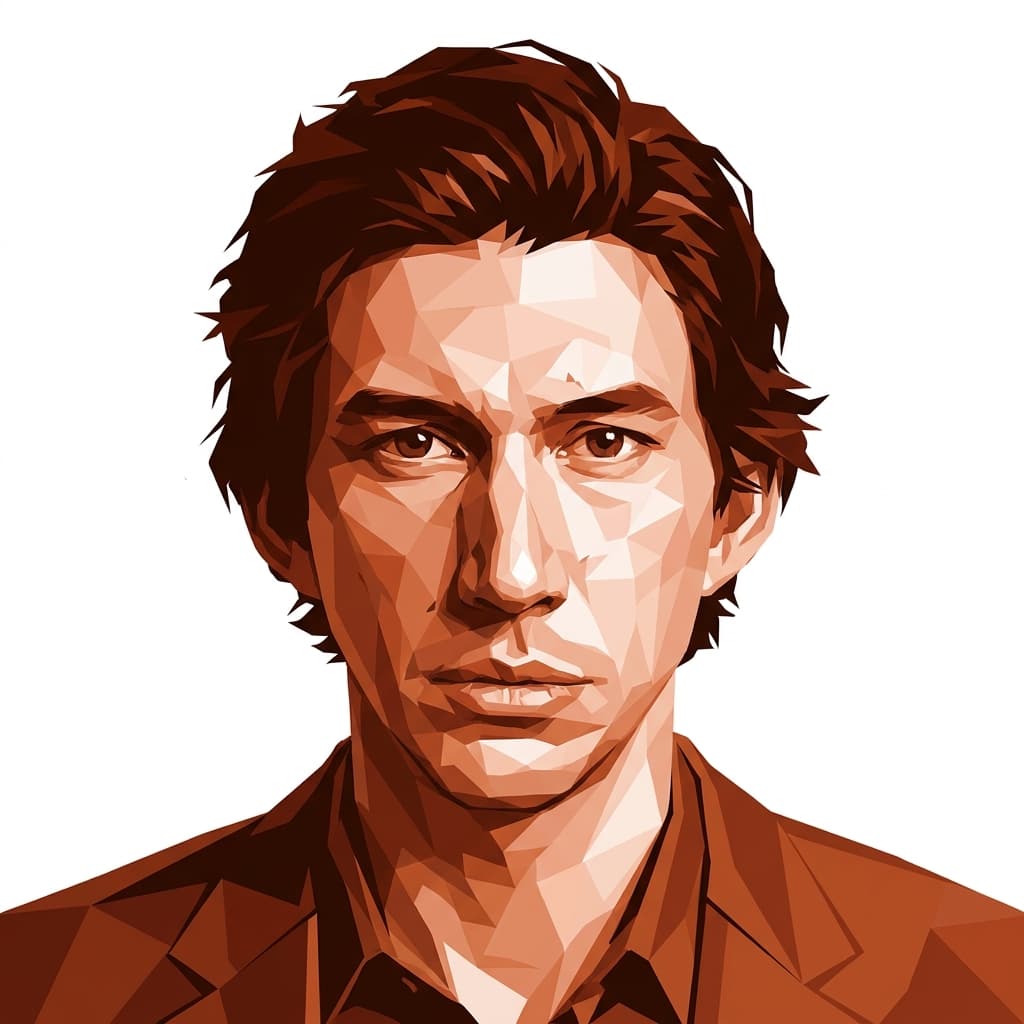
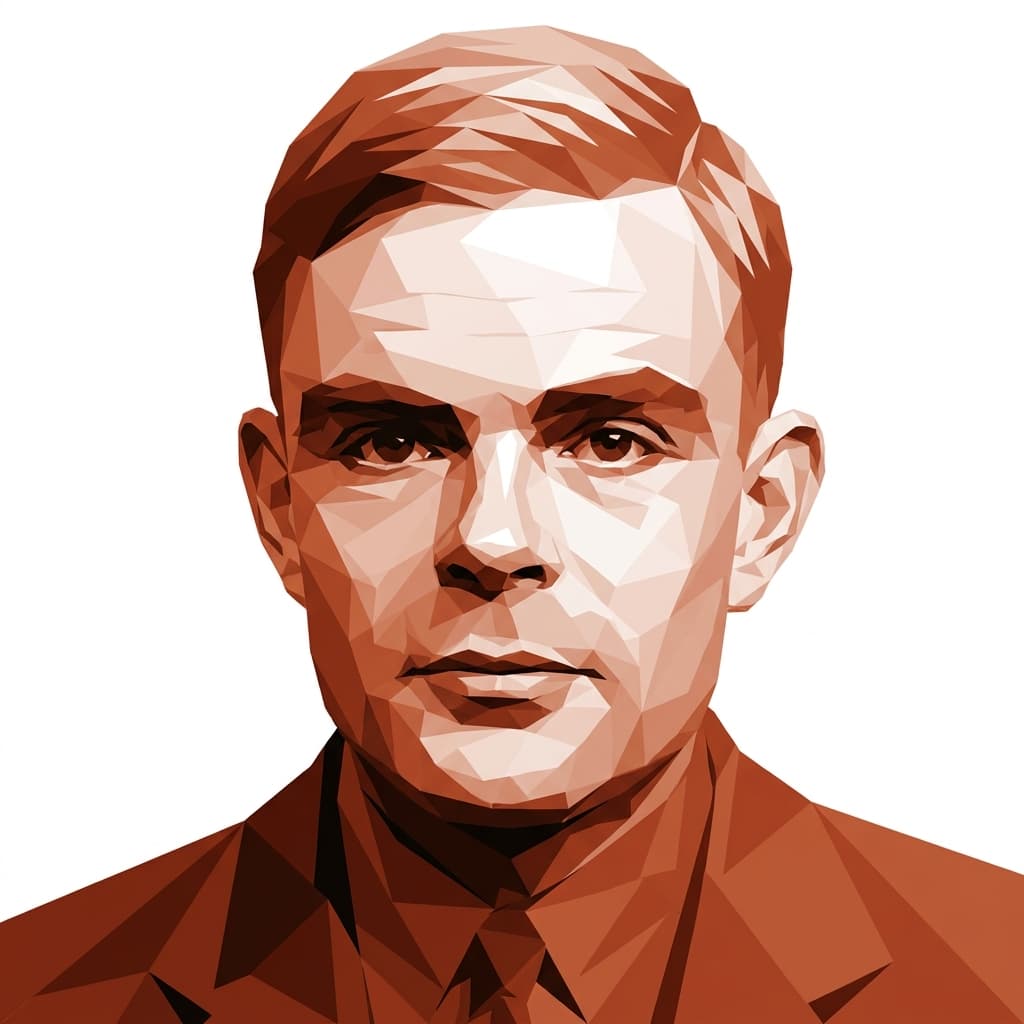
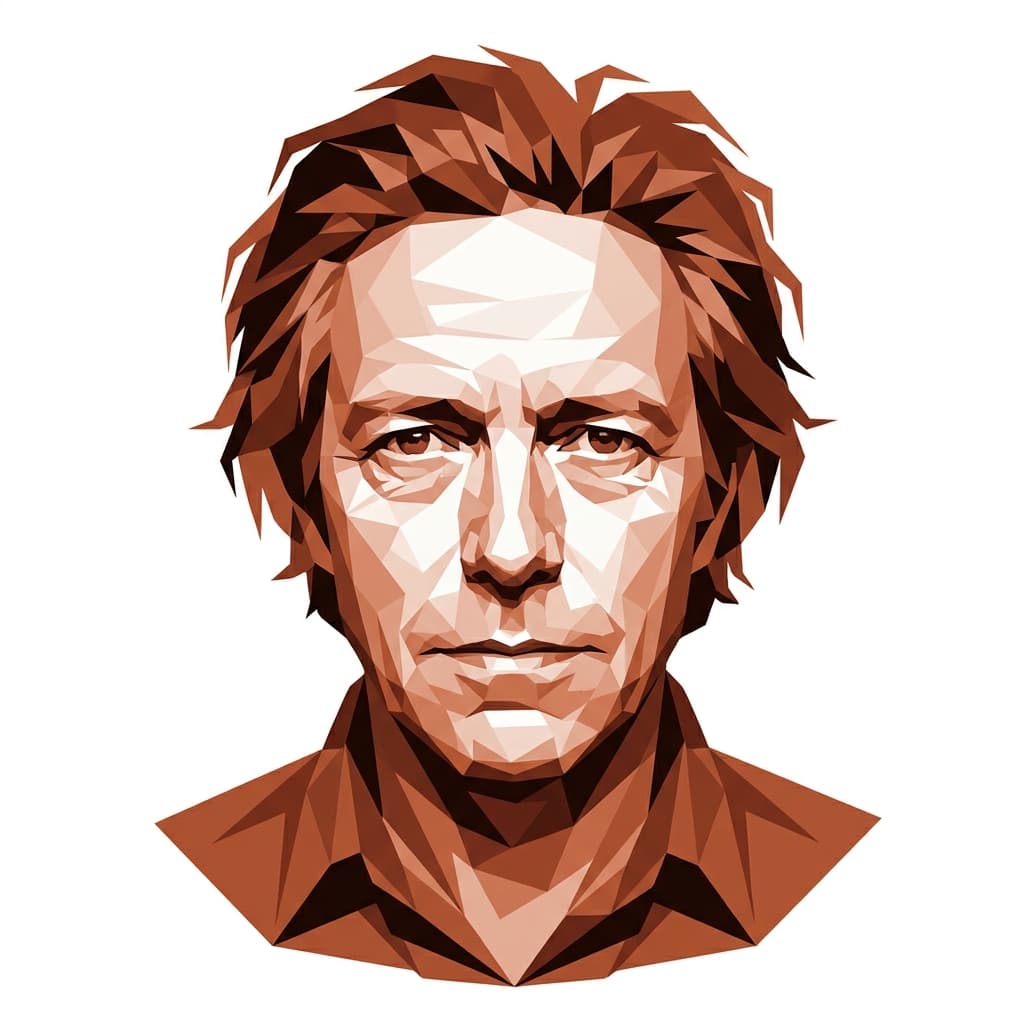
English drummer, singer, and songwriter of Genesis fame with a massive solo career in the 1980s.
Design
- Q44.4
- h24.4
- R29.2
- g36.6
- i6.6
- S44.6
- T44.2
- U10.1
- V30.4
- W46.1
- X52.6
- Y57.4
- Z4.1
Personality
- Q19.2
- h33.2
- R50.6
- g22.3
- i47.3
- S54.1
- T30.4
- U37.1
- V37.6
- W46.5
- X52.3
- Y57.5
- Z4.1
Phil Collins is a Generator — built for stamina, repetition, and the kind of deep mastery that only shows up when someone actually loves the work. He put in the hours behind a drum kit from childhood, gigged through the London scene as a teenager, and answered a Melody Maker ad in 1970 that landed him in Genesis. He wasn't the frontman, he wasn't the songwriter people watched — he was the drummer at the back, quietly getting extraordinary at his instrument while the theatrical Peter Gabriel absorbed the spotlight. That's classic Generator arc: master something through sheer sustained engagement rather than by chasing the front of the room.
When Gabriel left in 1975, Genesis auditioned singer after singer and found nothing. Collins eventually stepped up to the microphone almost by default — the opportunity arrived and his gut said yes, even though he'd never fronted a band. His 2/4 profile fits the story neatly: a hermit at heart who nonetheless kept getting pulled forward by the people already around him. He didn't lobby for the job. The community handed it to him because they could see what he couldn't quite see in himself.
The solo career that exploded with Face Value in 1981 came out of a divorce and a period of intense retreat. He built a home studio, holed up with a drum machine and a Prophet-5, and let the pain of the split pour into songs. "In the Air Tonight" is the artifact of that period — wisdom pulled out of a personal crisis and reshaped into something universal, the gated reverb drum fill functioning as the sudden aha that arrives after long private processing. He was writing from emotional depth that needed the right container to release, and the container turned out to be a home studio in Surrey.
Through the eighties he became genuinely inescapable — solo albums, Genesis albums, production for other artists, film soundtracks, Live Aid on two continents in one day via Concorde. That workload only makes sense in someone with the drive to keep saying yes to the next thing paired with ambition that reads as almost bottomless. The cost showed up later: three marriages ended, he lost hearing in one ear, developed nerve damage that made drumming nearly impossible, and gave a long stretch of interviews in which he sounded genuinely bewildered at how much he'd taken on.
He's been open about the loneliness underneath the ubiquity — the sense of giving more to family and audience than was ever quite returned, the caretaker instinct that pulled him toward everyone else's needs first. He also has a well-documented reflex to absorb whatever the room is feeling and try to fix it, which made him a beloved collaborator and a serially exhausted husband. In the 2010s he retreated properly — wrote a candid memoir, stayed out of the studio, let his son Nic take over drum duties when Genesis reunited in 2021 — and finally seemed to model the kind of stillness his body had been demanding for decades.
Sources: biography · birth data
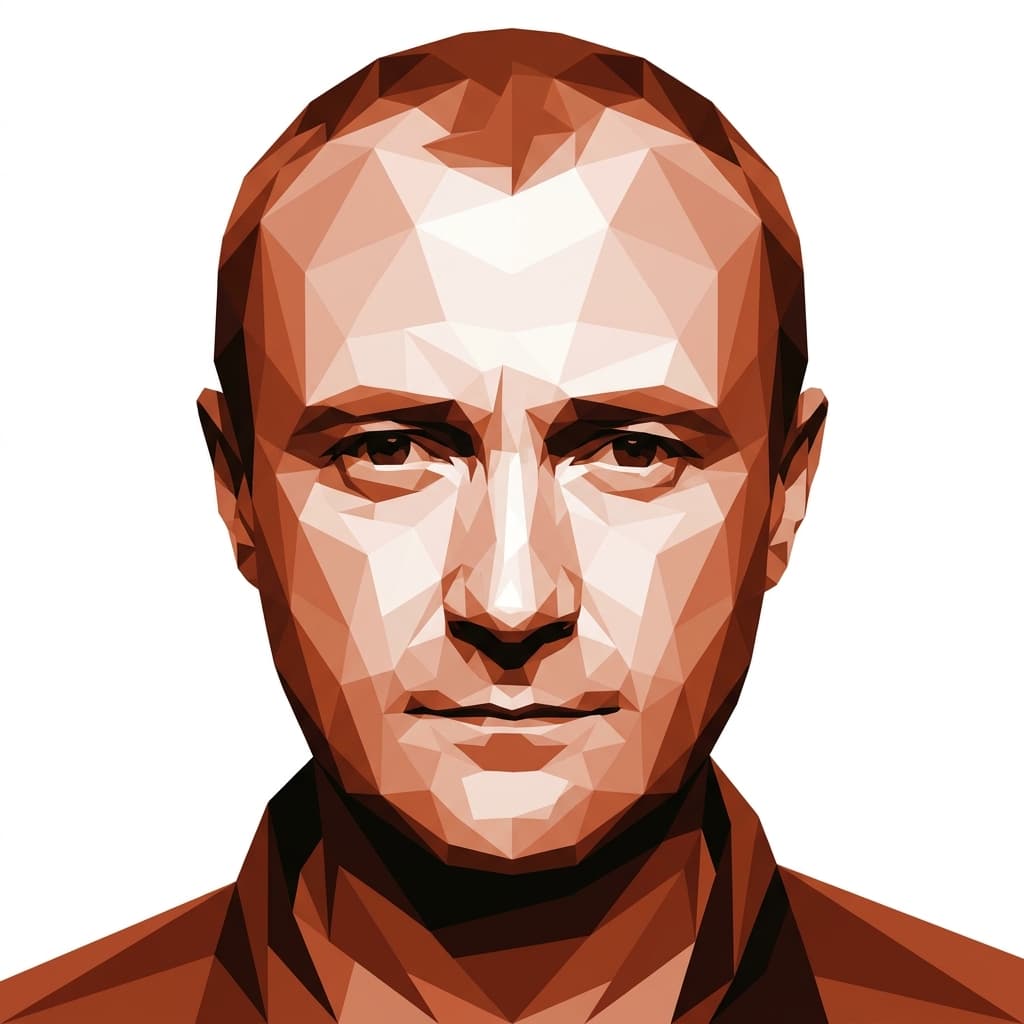
What do you and Phil Collins have in common?
Enter your birth details to find out