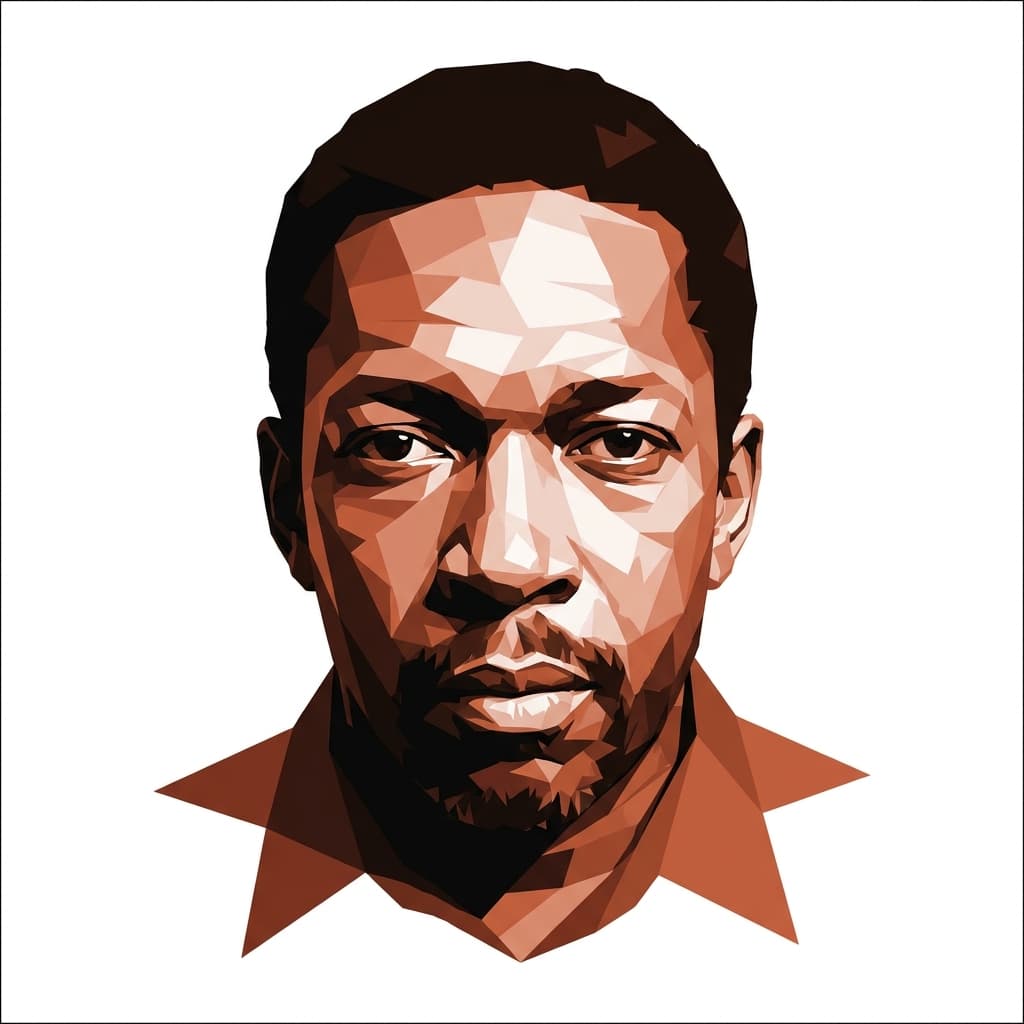
Oscar-winning American actress who became Princess of Monaco, blending Hollywood stardom with royal duty.
Design
- Q4.3
- h49.3
- R26.4
- g2.4
- i1.4
- S40.1
- T39.2
- U6.4
- V35.2
- W11.2
- X21.2
- Y59.1
- Z53.4
Personality
- Q43.1
- h23.1
- R22.6
- g24.5
- i44.5
- S44.4
- T50.3
- U14.2
- V35.3
- W11.6
- X17.5
- Y59.4
- Z53.5
Grace Kelly was a Generator — built with the steady, masterful stamina to commit deeply to a craft and stay with it until she'd wrung something true out of it. In an era when starlets were manufactured, she arrived already serious: a Philadelphia bricklayer's daughter who studied at the American Academy of Dramatic Arts, modeled to pay rent, and turned down studio contracts that didn't suit her until MGM met her terms. She picked her parts with a discernment that confused agents and impressed directors.
Her 1/3 profile showed in the way she worked: hours of private investigation into a role, then on-set experimentation that often surprised her co-stars. She would drill into a script until the foundation was unshakable, then test her instincts against the take. Hitchcock, who cast her three times in twenty months, called her the most disciplined actress he'd ever directed — a woman who could play heat under ice because she'd already done the homework on both. The trial-and-error of a career built on instinct paid off at twenty-five, when she won the Academy Award for The Country Girl over a heavily favored Judy Garland.
What looked like aloofness on screen was, up close, something more interior. She had the kind of social poise that read the room before entering it and a way of being selective about who actually got near her. Friends described long, ruminating silences before any major decision — she famously took weeks to accept Hitchcock's offers, longer to accept proposals of marriage, and confided to her sister that she needed time and a settled feeling before any yes was real. The tabloids read this as mystery. It was process.
The Monaco chapter began as a response, not an initiation — a meeting at the Cannes Film Festival in 1955 that she hadn't sought, arranged by a magazine she'd reluctantly agreed to pose for. Prince Rainier visited her family in Philadelphia months later. When she said yes, she meant it, and she walked away from Hollywood at the height of her power. The role of princess turned out to suit her: a vocation organized around protecting the values and traditions of a small community, with a strong sense of duty to the people she'd taken responsibility for. She learned French, studied Monégasque history, and reshaped the palace's cultural life with the same investigative seriousness she'd brought to scripts.
She founded the Princess Grace Foundation to support emerging artists, championed breastfeeding when it was unfashionable, presided over the Red Cross, and quietly used her gift for making a cause feel newly possible to put Monaco on a cultural map it had never quite occupied before. She read poetry publicly in her later years — a return to performance on her own terms, and a way to say something carefully chosen rather than something expected.
She died in 1982 after a stroke caused her car to leave a mountain road above Monaco. She was fifty-two. What lingers isn't the glamour — it's the discipline underneath it, and the unusual clarity of a woman who chose every chapter of her life deliberately, then lived inside it fully.
Sources: biography · birth data

What do you and Grace Kelly have in common?
Enter your birth details to find out