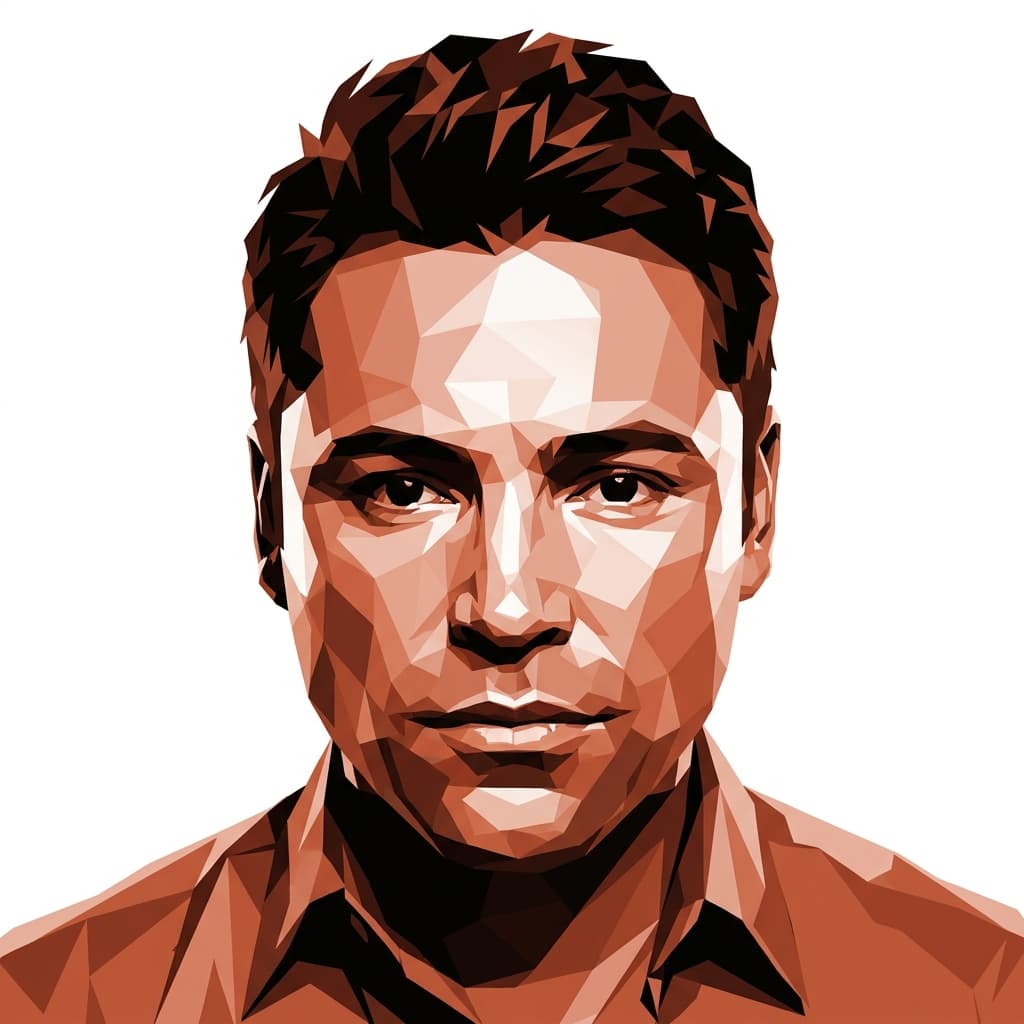
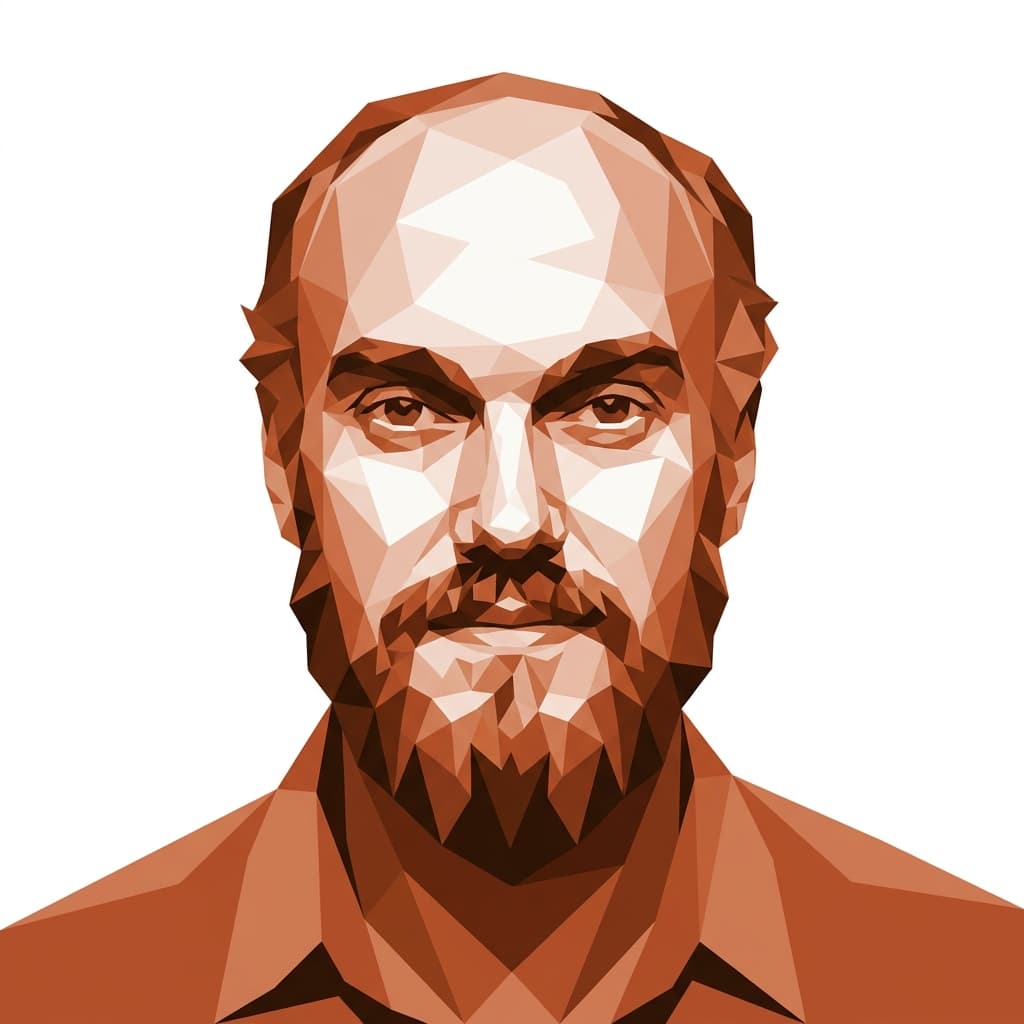
Co-founder of Twitter and Square, programmer-turned-CEO known for minimalism, meditation retreats, and contrarian tech leadership.
Design
- Q29.5
- h30.5
- R53.1
- g28.5
- i27.5
- S6.4
- T64.6
- U46.1
- V8.6
- W33.3
- X28.2
- Y9.6
- Z48.1
Personality
- Q14.3
- h8.3
- R32.5
- g28.2
- i27.2
- S34.5
- T58.3
- U14.5
- V8.2
- W7.4
- X44.2
- Y5.2
- Z48.4
Jack Dorsey is a Generator — built for deep, sustained engagement with the right work, and his career is essentially what happens when that engine gets pointed at a few specific obsessions: dispatch systems, short messages, and money moving over the internet. He grew up in St. Louis fascinated by the routing maps of taxi and courier fleets, and by his early twenties was writing dispatch software in Oakland. The idea that would become Twitter — a status update broadcast to a small group — came directly out of that fixation on real-time location and presence.
His career has been openly experimental in a way that fits a 3/5 profile, learning by doing and getting messy in public. He was pushed out as Twitter's CEO in 2008, returned in 2015, ran Twitter and Square simultaneously for years, and was criticized for both. He's spoken about the early ousting as formative rather than catastrophic — the kind of reframing that only someone living the trial-and-error path can offer. The 5 in his profile shows up in how often he's been cast as savior or villain in tech narratives, projections he sometimes leans into and sometimes flatly refuses.
Dorsey's decision-making, by his own description, is unusually instinctual for a CEO. He's talked about following a gut pull rather than a spreadsheet when committing to projects, and his strategy of letting the right thing surface before chasing it shows in how Square came together — a conversation with glassblower Jim McKelvey who'd lost a sale because he couldn't take a credit card. Dorsey responded to that specific problem rather than initiating a fintech company in the abstract.
The texture of his daily life leans heavily into ritual — same walk to work, same intermittent fast, same Vipassana retreats. He's famous for extreme routines, ice baths, ten-day silent meditations, one-meal-a-day stretches, the kind of optimization-tinkering that reads as either disciplined or eccentric depending on who's describing it. There's a deep, almost monastic concentration in how he approaches a problem, and an appetite for hard, meaningful struggle — he's said publicly that he's drawn to work that feels worth the difficulty, not work that's easy.
As a leader he's been reluctant rather than charismatic, often quiet in rooms others expect him to dominate. Employees describe long silences in meetings followed by a single precise question. His taste-making instinct for what's new and worth attention shaped early Twitter's culture and later his pivot toward Bitcoin, which he's championed with a near-evangelical conviction about which technologies are worth preserving long-term. After leaving Twitter in 2021, he poured energy into Block's Bitcoin work and the decentralized social protocol Bluesky (which he later left), starting things and letting others carry them forward.
The pattern across his work is consistent: a Generator who has learned, sometimes painfully and in public, to only commit to what genuinely lights him up — and to walk away, however awkwardly, from what doesn't.
Sources: biography · birth data
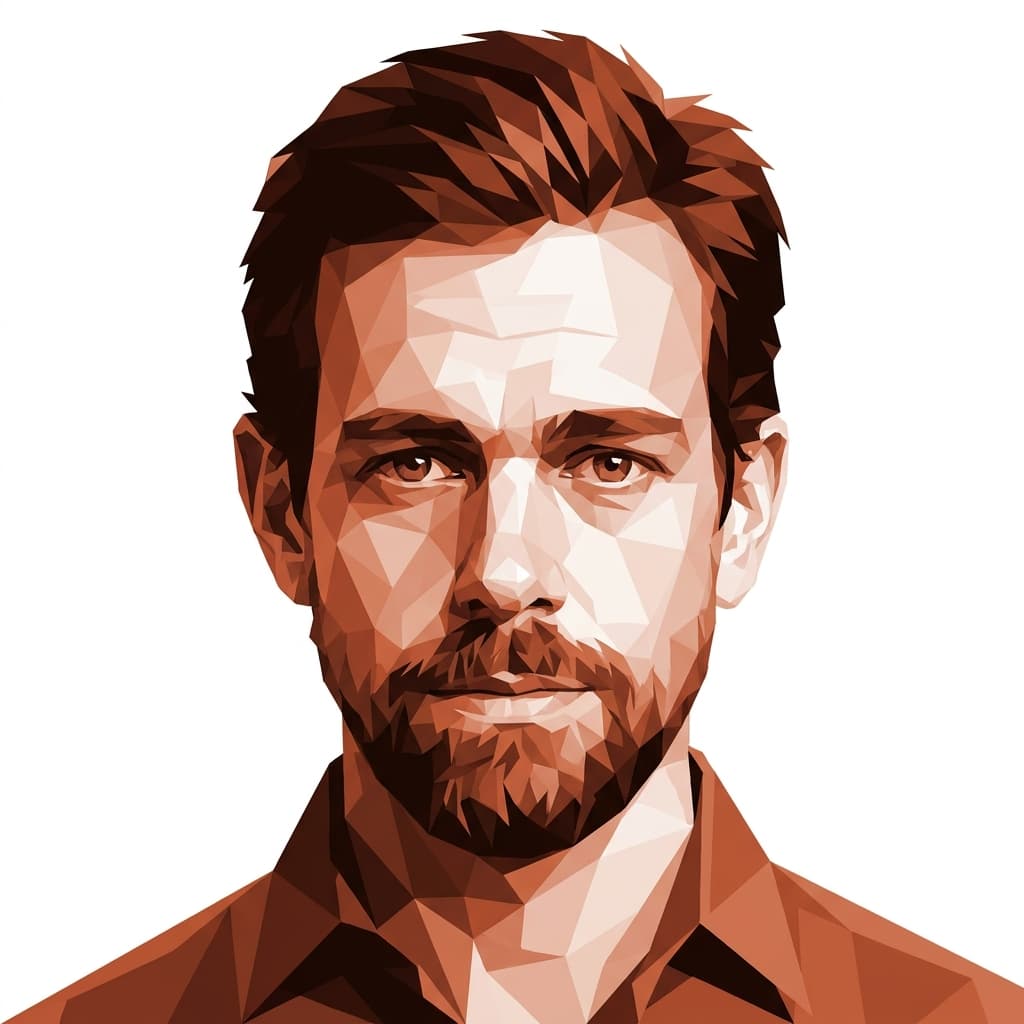
What do you and Jack Dorsey have in common?
Enter your birth details to find out