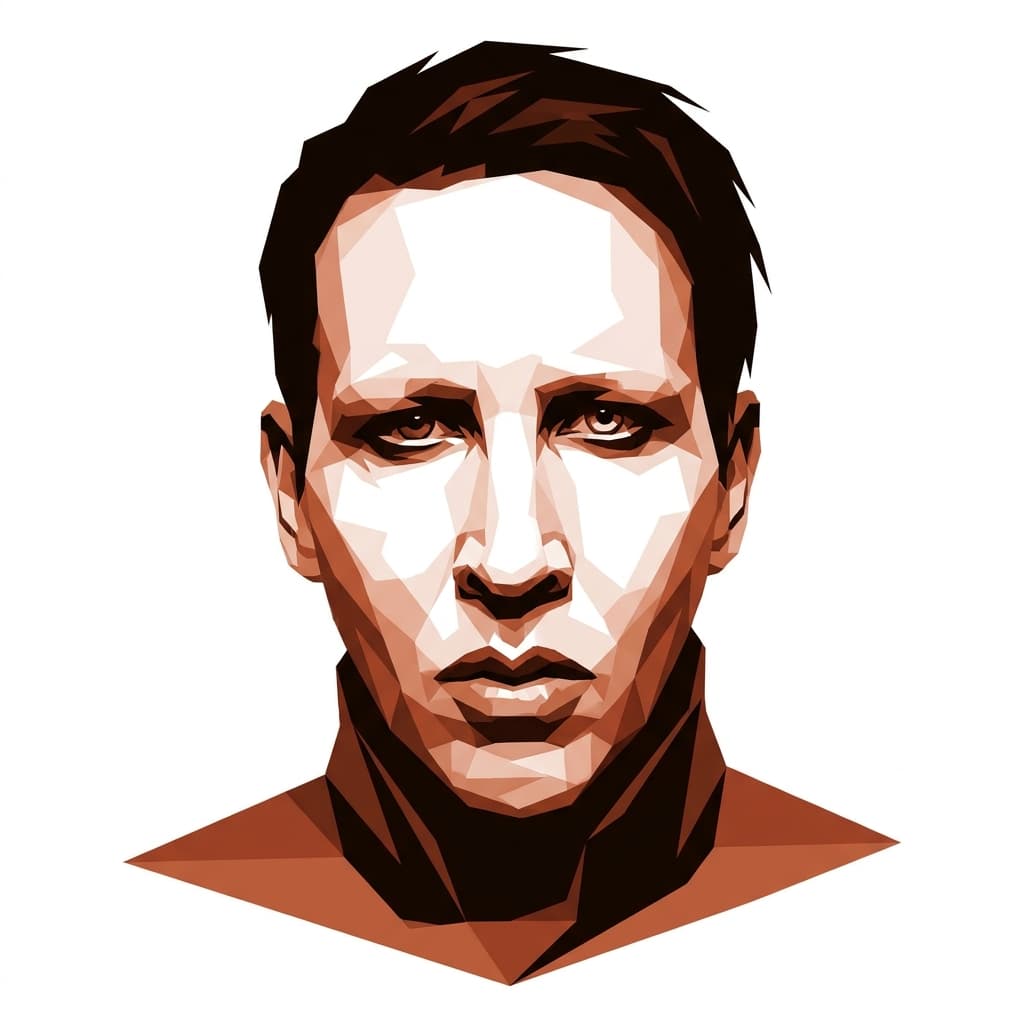
Beatles guitarist, songwriter, and spiritual seeker who brought Indian mysticism into Western pop music.
Design
- Q9.2
- h16.2
- R29.5
- g29.5
- i30.5
- S9.2
- T9.6
- U43.1
- V62.5
- W16.4
- X20.3
- Y46.4
- Z31.6
Personality
- Q55.6
- h59.6
- R50.5
- g29.1
- i30.1
- S19.3
- T25.2
- U61.1
- V53.1
- W16.1
- X20.1
- Y46.4
- Z31.4
George Harrison was a Generator — built for deep, sustained engagement with a craft, and the arc of his life is exactly that: decades of quietly mastering guitar, sitar, songwriting, film production, and gardening, one long apprenticeship after another. He joined the Quarrymen at fourteen because Paul McCartney vouched for his ability to play "Raunchy" on the top deck of a Liverpool bus. That's the whole pattern in miniature: something showed up, his gut said yes, and he committed.
Inside the Beatles he spent years as the youngest, the one waiting his turn — a 6/2 profile living out its early experimental phase in public, watching Lennon and McCartney absorb all the oxygen while he quietly worked. His songwriting output was small at first and then, around Revolver and Rubber Soul, unmistakable: "Taxman," "Within You Without You," "While My Guitar Gently Weeps," "Something." The wisdom accumulated in the background finally arrived, and when All Things Must Pass dropped in 1970 as a triple album, it was clear he'd been quietly building mastery in the background the whole time.
His 1966 trip to India changed everything. He met Ravi Shankar, took up the sitar seriously, and followed a pull his body couldn't argue with into Hindu philosophy, meditation, and eventually a lifelong practice of chanting. This was Sacral Authority in its purest form — no committee, no strategy meeting, just a full-body yes to a tradition most of his peers found baffling. He didn't proselytize so much as live it, which is exactly how his influence actually worked: people wanted to know what he was doing because he seemed to have found something the rest of the culture was still chasing.
The Concert for Bangladesh in 1971 was the first benefit concert of its scale, and it happened because Ravi Shankar mentioned the crisis and George responded immediately to what landed in front of him. He organized the whole thing in weeks — Dylan, Clapton, Ringo, Billy Preston — driven by a natural instinct for who and what needed protecting. He carried the same responsiveness into Handmade Films, which he founded largely to rescue Life of Brian when EMI pulled out, later calling it "the most expensive cinema ticket ever issued."
Post-Beatles George became the archetypal 6/2 role model: withdrawing to Friar Park, restoring its gardens obsessively, receiving visitors on his own terms. Friends described his focus on his roses and his ukuleles with the same patient, detailed attention that could disappear for hours into a single task. He carried a deep bond with a small circle — Dylan, Petty, Lynne, Orbison — that culminated in the Traveling Wilburys, a project born from friends hanging out in a kitchen rather than any label plan.
He kept his humor dry and his spiritual convictions unwavering through cancer and the 1999 home invasion in which he was stabbed. He wrote songs about death without flinching. When he died in 2001, his ashes were scattered in the Ganges — a final act of surrender to something larger than himself from a man who'd spent his whole life pointed that direction.
Sources: biography · birth data
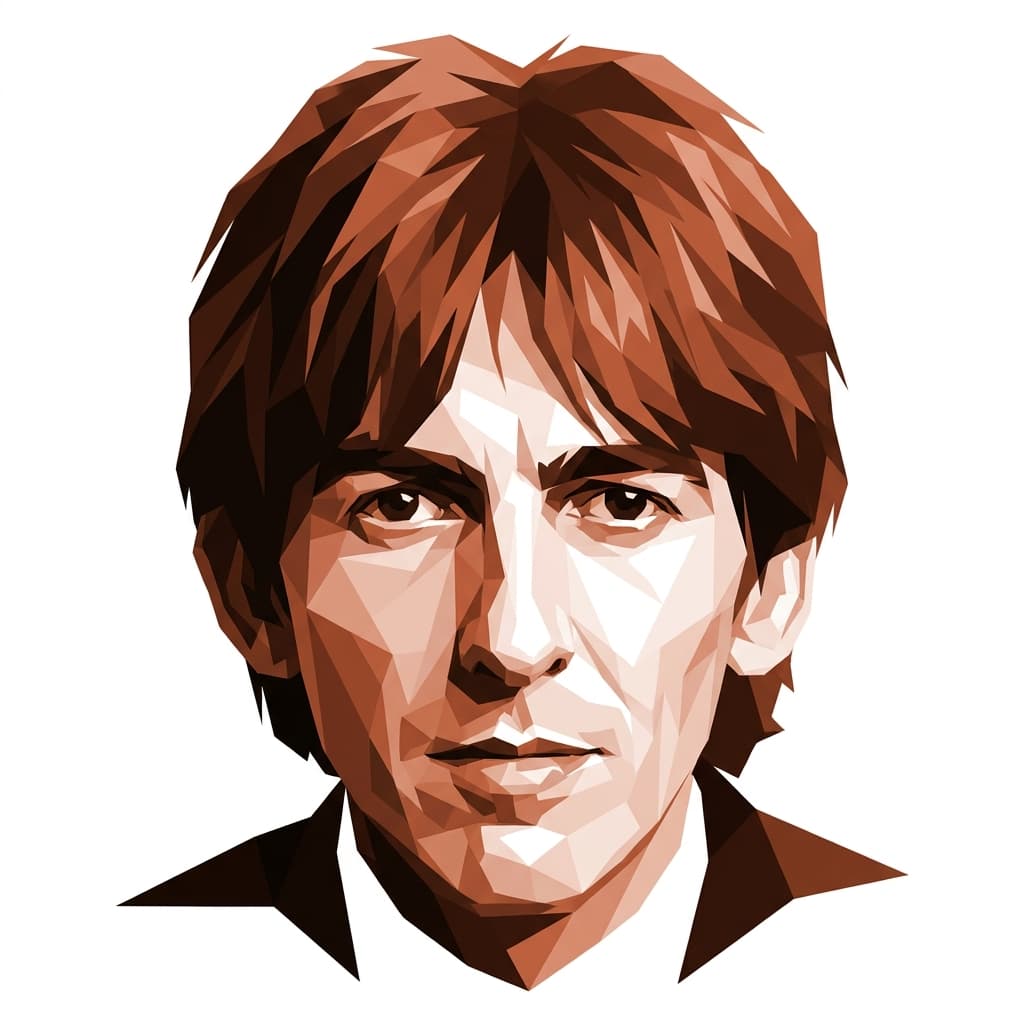
What do you and George Harrison have in common?
Enter your birth details to find out