Catalan singer and producer who fused flamenco with global pop, redefining contemporary Spanish-language music.
Design
- Q52.1
- h58.1
- R27.5
- g10.3
- i15.3
- S56.3
- T52.5
- U24.1
- V40.4
- W13.5
- X54.2
- Y54.3
- Z43.2
Personality
- Q46.5
- h25.5
- R47.3
- g11.3
- i12.3
- S48.2
- T50.5
- U52.4
- V6.5
- W19.5
- X38.5
- Y54.2
- Z43.3
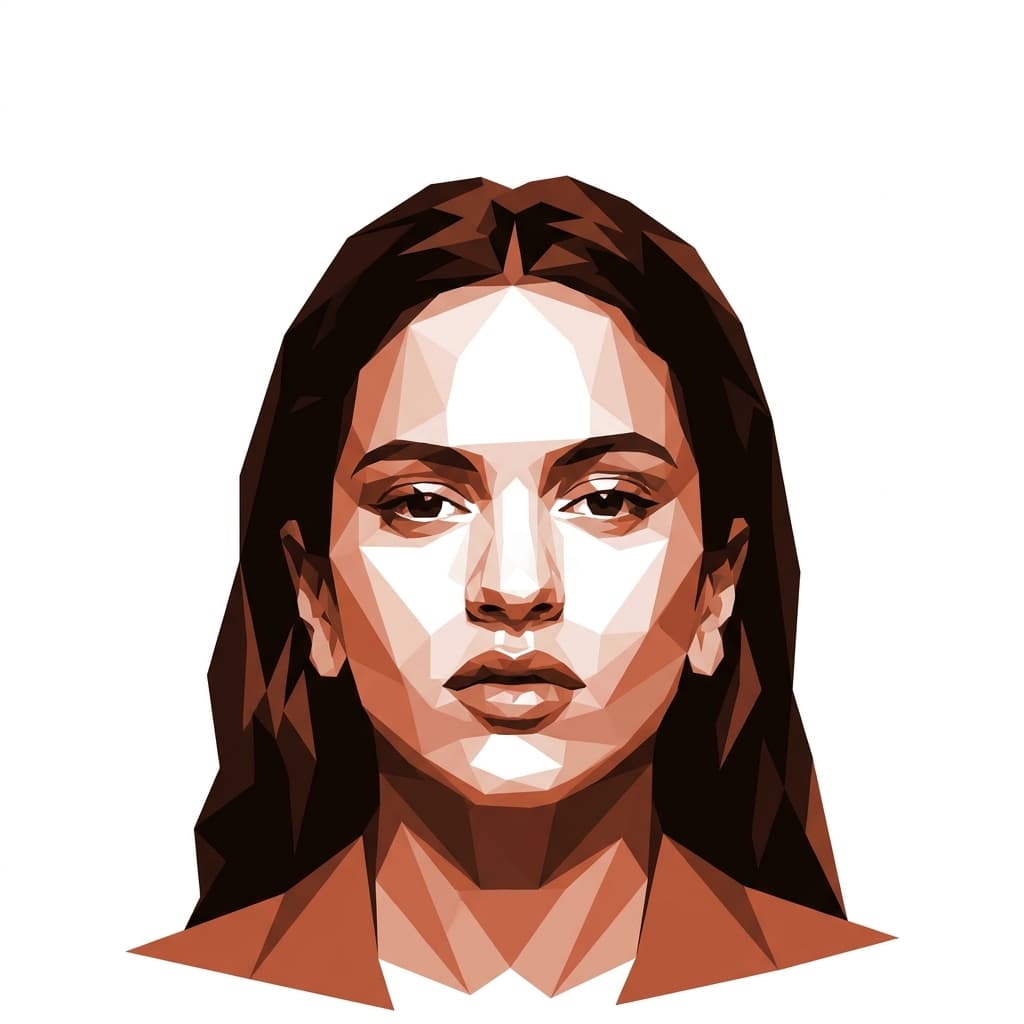
Rosalía Vila Tobella is a Generator — built for the long, masterful immersion in a craft rather than the quick win, and her path through flamenco proves it. She didn't arrive as a pop star with a flamenco aesthetic; she enrolled at the Catalonia College of Music and spent years studying under cantaora Chiquetete protégée José Miguel Vizcaya "El Chiqui," doing the unglamorous work of going deep before stepping out. Her graduation thesis became Los Ángeles, a stark traditional record. Only after that foundation did she release El Mal Querer, the album that made her a global figure.
El Mal Querer was, structurally, a 5/1 thesis project: she based it on a 13th-century Occitan novel, Flamenca, and built each track as a chapter. That kind of conceptual rigor came from years of research and quiet investigation before she'd let any of it out. The album's textures — palmas, motorcycle revs, a sample of Justin Timberlake — were the work of someone with an endless stream of fresh sonic ideas she'd finally found the right framework to organize.
She moves between worlds with unusual ease. One year she's collaborating with James Blake and Travis Scott; the next she's recording a bachata duet with Rauw Alenso or shaving her head for the Motomami rollout. That appetite for living at the edges of multiple styles at once is what makes her hard to categorize and impossible to imitate. Motomami itself was reggaeton, jazz, bolero and experimental electronics on the same tracklist, held together by a gut-level conviction about what belonged rather than any neat thesis.
Her voice is the central instrument, and she uses it with an almost surgical sense of knowing exactly when to land a phrase — the held silence before a melisma in "Malamente," the whispered intro to "Hentai." She's spoken openly about respecting flamenco's lineage while insisting on her right to evolve it, a stance that's drawn both Latin Grammys and pointed criticism about cultural ownership. She tends to respond to that criticism by standing inside her own values without performing defensiveness, then disappearing back into the studio.
The Motomami era also revealed how she works: long stretches of seclusion with a small team, then a sudden emergence with something fully formed. That rhythm — building, building, then releasing into the world — is classic waiting until something genuinely lights her up before committing. She turns down more than she accepts, and the projects she does take on (a Pedro Almodóvar short film, a duet with Björk for an Icelandic environmental cause) tend to feel chosen rather than scheduled.
In 2023 she ended her engagement to Rauw Alenso and went largely quiet, returning to her own need for solitude to reset and recharge. Whatever she releases next will almost certainly arrive the way her best work always has: after a long disappearance, with the kind of refinement that suggests every detail was fought for.
Sources: biography · birth data
What do you and Rosalía have in common?
Enter your birth details to find out