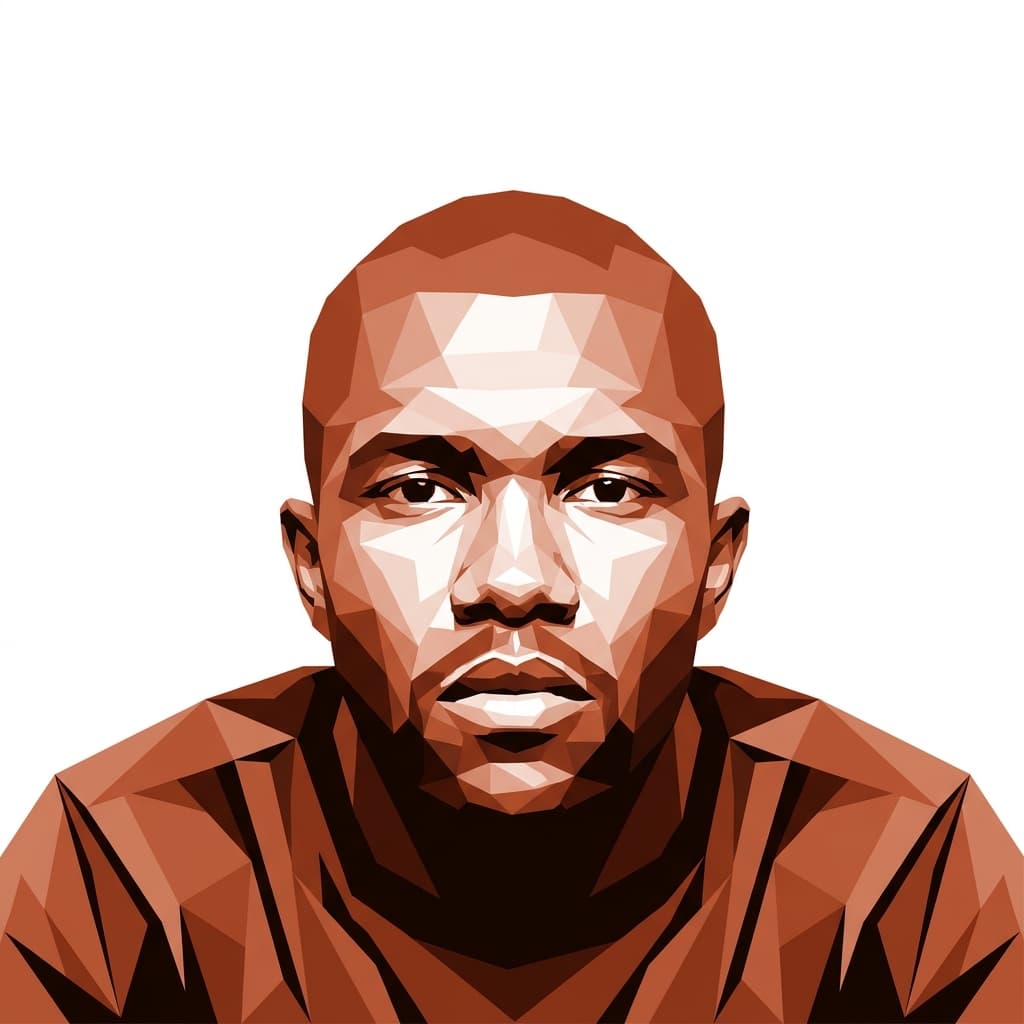
Percussionist, drummer, and bandleader known for her virtuosic timbale work and collaborations with Prince.
Design
- Q47.6
- h22.6
- R20.5
- g44.5
- i24.5
- S64.1
- T50.6
- U6.2
- V18.5
- W9.4
- X33.3
- Y50.5
- Z59.1
Personality
- Q26.4
- h45.4
- R59.2
- g44.3
- i24.3
- S38.1
- T41.4
- U43.5
- V32.6
- W26.1
- X33.4
- Y28.3
- Z59.3
Sheila Escovedo is a Generator — built with the kind of deep, replenishing stamina that lets a person play a two-hour set of timbales in heels and still want to jam afterward. Born into the Escovedo percussion dynasty in Oakland, she was surrounded by congas and clave patterns before she could read. Her father Pete Escovedo was already a working Latin jazz percussionist, and by five she was sitting in. By her late teens she was touring with George Duke, Lionel Richie, Marvin Gaye, and Herbie Hancock — a résumé built entirely on being called in rather than chasing gigs.
Her first meeting with Prince, at an Oakland show in 1978, is Sheila lore: he told her he'd been waiting for her, and that one day they'd work together. She said thanks and went back to her father's band. It took until 1984 — years of letting the decision settle across many emotional weathers — before she agreed to sing on "Erotic City," record The Glamorous Life, and eventually become his musical director. That patience is characteristic. The 4/6 profile she carries — half warm connector, half role-model-on-the-hill — tends to want the relationship established before the commitment.
On stage she is a study in being fully in the pocket, moment to moment. Watch her trade fours with a drummer and you see the concentration of a person who spots the one-sixteenth nobody else heard, then answers it. Her showmanship — the spinning sticks, the grin, the call-and-response with the crowd — reads as pure charisma, but under it is an acoustic sensitivity to the room's mood, adjusting dynamics measure by measure. She has said in interviews that she can feel when a crowd is with her before the downbeat lands.
The bandleader side of her is where the instinct for what's worth the investment shows up. She's spent decades building and rebuilding ensembles — the E Family with her father and brothers, the E Train, the Prince alumni configurations — and she has a reputation for spotting a young player's potential before anyone else does. Her drum clinics and her nonprofit Elevate Hope Foundation, which brings music and art to abused and abandoned children, come from a strong sense of what this community actually needs preserved. It's not charity performance; it's stewardship.
The harder chapters — the physical toll of playing standing up for forty years, a serious injury that briefly threatened her career, the loss of Prince in 2016 — she has processed the way this profile tends to, retreating into privacy and then returning with the story shaped. Her 2014 memoir The Beat of My Own Drum was that arc made public: naming childhood abuse, naming the cost, naming the joy that outlasted both. She writes and speaks now as someone who fought the battles that turned out to actually matter, and skipped the ones that didn't. Still touring, still teaching, still — as she puts it — the glamorous life, but on her own terms.
Sources: biography · birth data

What do you and Sheila E. have in common?
Enter your birth details to find out