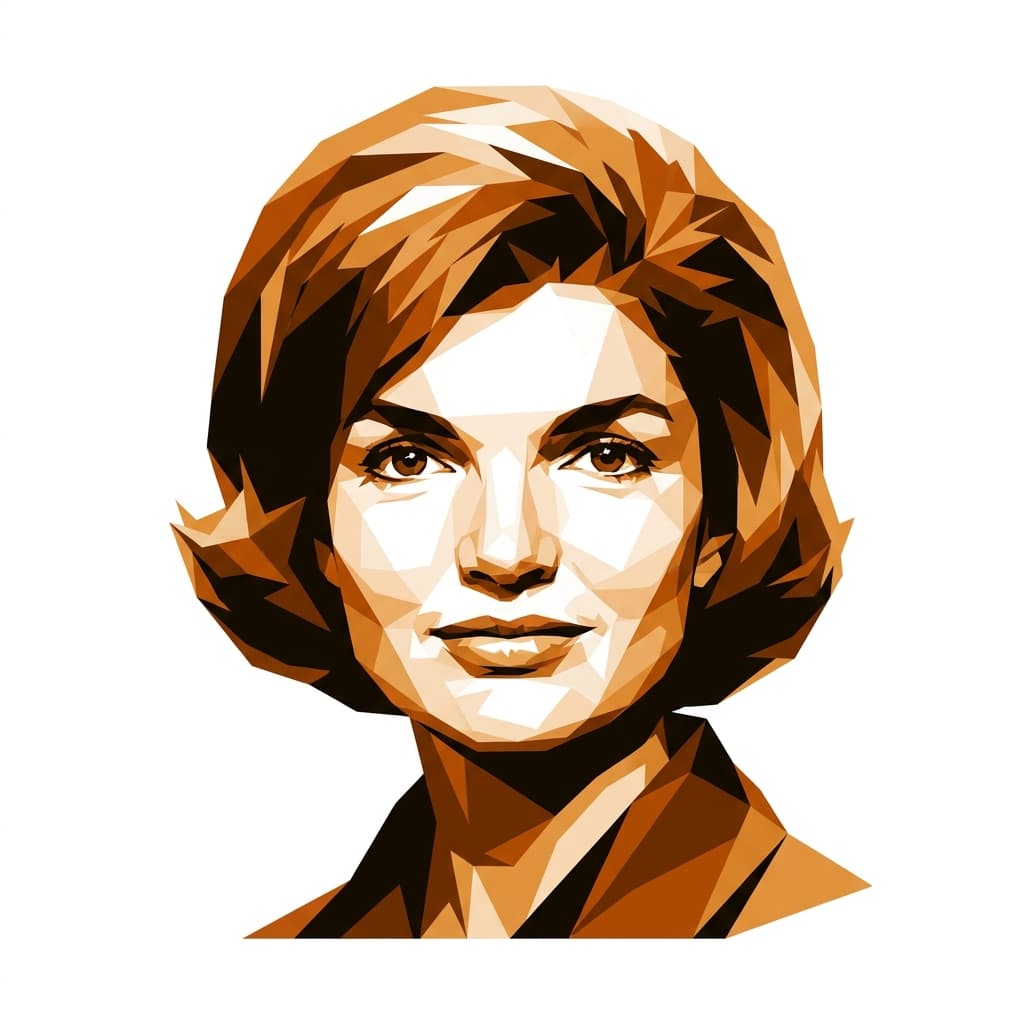
American singer-songwriter, Fleetwood Mac frontwoman, and solo artist whose mystical persona defined rock-era romance.
Design
- Q37.2
- h40.2
- R18.2
- g2.4
- i1.4
- S49.6
- T51.3
- U4.6
- V11.4
- W7.5
- X45.6
- Y48.4
- Z33.6
Personality
- Q20.6
- h34.6
- R54.1
- g2.1
- i1.1
- S12.6
- T39.1
- U59.4
- V11.5
- W7.5
- X12.3
- Y48.1
- Z33.6
Stevie Nicks is a Manifesting Generator — built to chase several creative lives at once, and her career has refused to sit still inside any one of them. She joined Fleetwood Mac with Lindsey Buckingham in 1974, became one of its three songwriters within a year, and then, almost as soon as the band became the biggest in the world, launched a parallel solo career with Bella Donna in 1981. She never picked. She never had to. The Mac fans wanted Stevie the witch; the solo fans wanted Stevie the confessional poet; she gave both, simultaneously, for forty years.
Her writing voice is unmistakable because she trusts the image before she trusts the explanation — Rhiannon, the white-winged dove, the gold dust woman, the edge of seventeen. These weren't concepts she worked out; they were lines that arrived in motel rooms and got scribbled into the journals she has kept obsessively since she was a teenager. "Dreams" was written on a velvet couch at the Record Plant in about ten minutes. She has always been the kind of writer who waits for the song to show up and then knows immediately what to do with it, which is why her catalog feels less composed than transcribed.
The Fleetwood Mac years were a long lesson in riding the wave before deciding anything. She wrote "Silver Springs" inside her breakup with Buckingham and then had to sing harmony with him on stage for the next fifty years; she stayed in the band through cocaine, lawsuits, firings and reunions, making choices that only made sense after the emotional weather cleared. The drama itself — her drama, the band's drama — became material. She has a gift for pulling truth out of a room by raising its temperature, and the Rumours sessions are essentially that gift recorded onto two-inch tape.
She is a 6/2 profile, the role model who needs to disappear to recharge, and her life has followed that shape with eerie precision. The messy first act — the cocaine years, the Klonopin years she has spoken about openly — gave way to a long middle period of retreat into her Phoenix house, her journals, her shawls, her dogs. Now in her seventies she has become exactly what that profile predicts: a keeper of stories who became wiser by surviving them, invited onto stages and into rooms specifically so younger artists can sit at her feet. Harry Styles inducted her into the Rock and Roll Hall of Fame as a solo artist — the first woman inducted twice — and called her his greatest inspiration.
Her stage presence still runs on raw vitality that refuses to dim with age; she tours in her late seventies, twirls in the same chiffon, sings "Landslide" like she's deciding what it means in real time. What people miss about her is that the mysticism is not a costume. It's creative authenticity that was never optional, worn so consistently for so long that it stopped being a persona and became a person. She built a chosen family of bandmates and friends who keep showing up for each other — Christine McVie until the end, Tom Petty until his — and that loyalty, more than the gold records, is what she points to when she talks about a life well lived.
Sources: biography · birth data

What do you and Stevie Nicks have in common?
Enter your birth details to find out