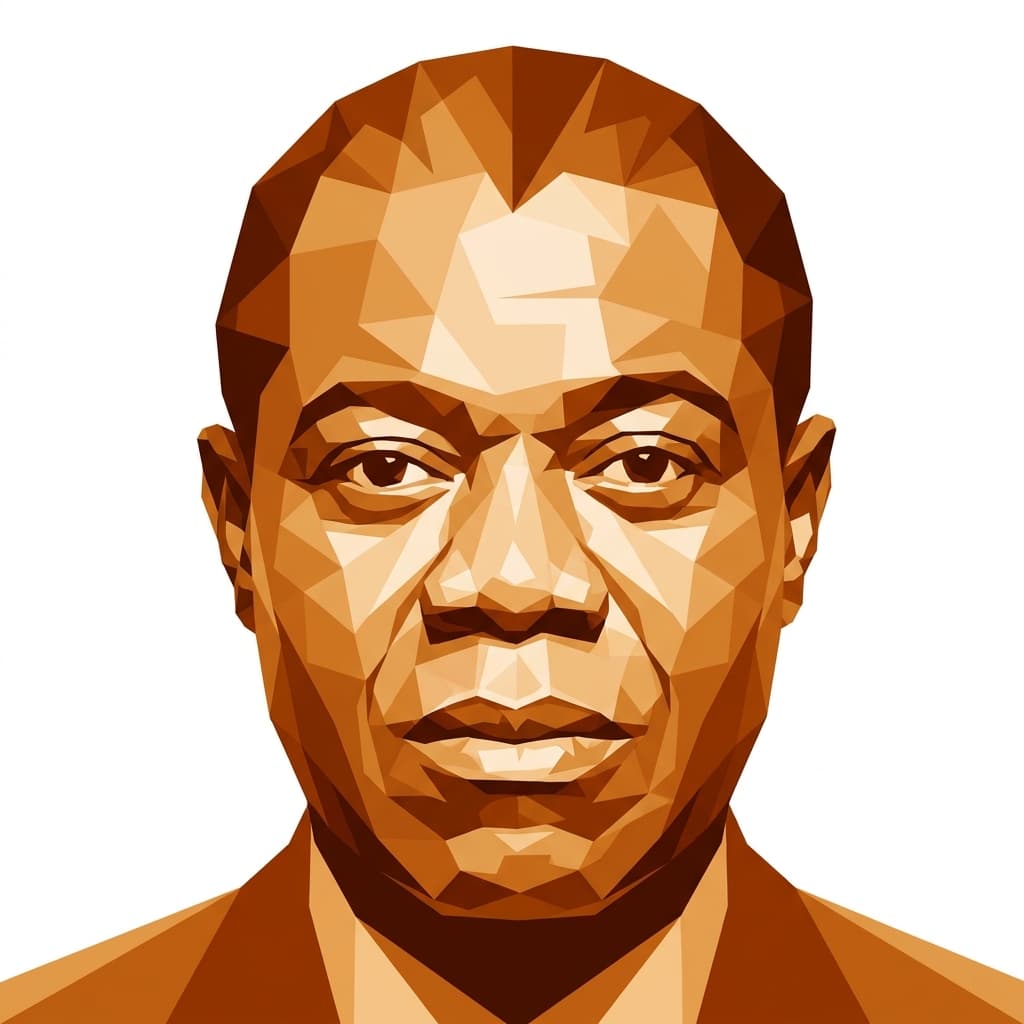
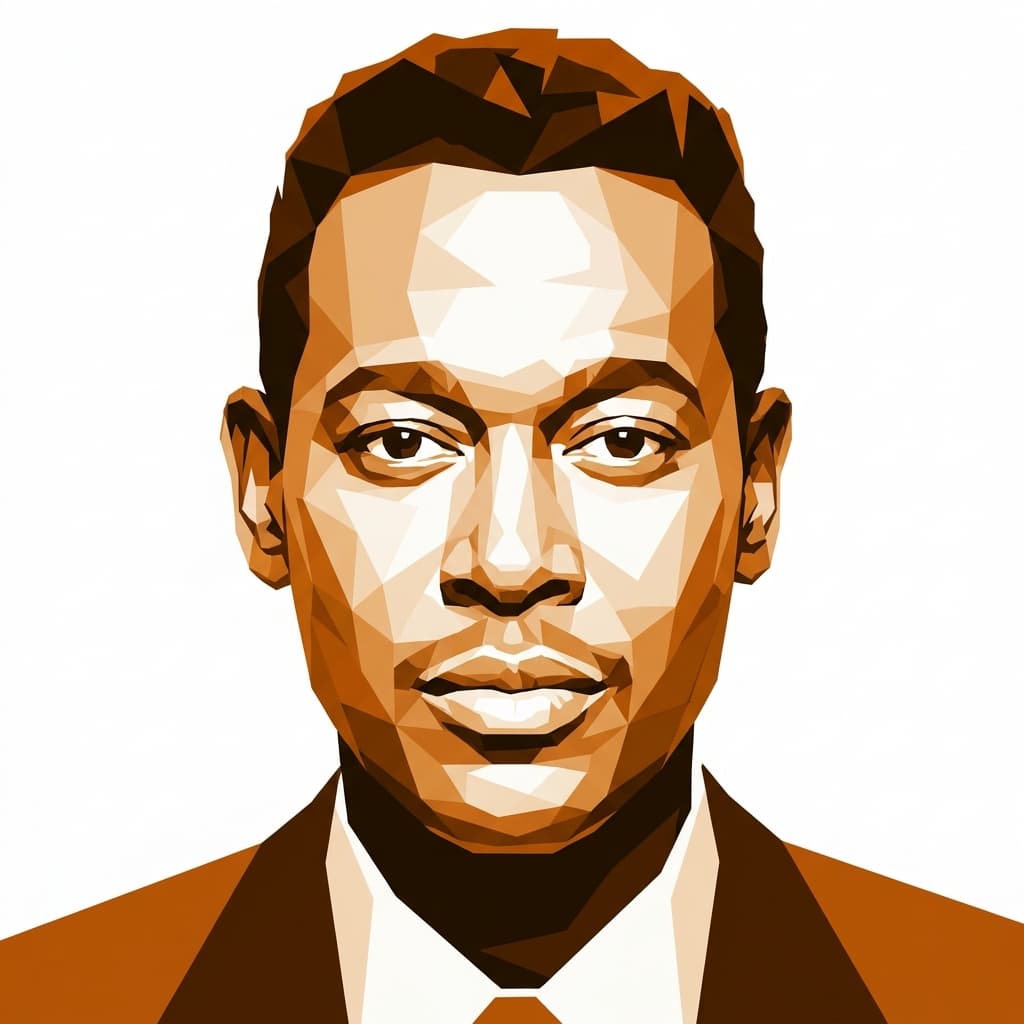
Rapper, filmmaker, and cultural force behind N.W.A., Friday, and a multi-decade solo career.
Design
- Q36.5
- h6.5
- R63.6
- g25.3
- i46.3
- S37.2
- T3.1
- U9.3
- V46.4
- W42.5
- X46.5
- Y14.5
- Z6.2
Personality
- Q12.3
- h11.3
- R52.2
- g36.4
- i6.4
- S20.5
- T24.2
- U34.6
- V6.5
- W27.4
- X46.2
- Y14.3
- Z47.6
O'Shea Jackson is a Manifesting Generator — wired for multiple careers running in parallel, and his life reads like a stack of them: rapper, screenwriter, film producer, sitcom lead, basketball league founder. He rarely picked one lane, and when critics told him to, he'd already started the next thing.
He wrote most of Straight Outta Compton while still a teenager, handing Eazy-E lyrics that would define a genre. When N.W.A.'s money got weird in 1989, he walked. No long negotiation, no sentimental farewell tour — just the kind of gut-level exit that doesn't need a memo. He flew to New York, cut AmeriKKKa's Most Wanted with the Bomb Squad, and returned with a solo record so pointed it functioned as a legal document. The 3/5 profile shows up all through this stretch — learning by doing, taking the hits publicly, then flipping the lessons into a blueprint others copied for the next thirty years.
His verses are the point. No Vaseline, the Rodney King-era records, the Death Certificate sequencing — Cube built entire tracks around naming a thing so precisely that the room can't unhear it, and his delivery carried the exact weight of a line landing at the exact right beat. He wasn't the fastest rapper of his generation or the most acrobatic. He was the one who brought order to the noise of an era other people were only reacting to, the one whose scowl on an album cover told you what the record was about before you pressed play.
Then he pivoted, which Manifesting Generators do. Boyz n the Hood put him on screen; Friday, which he co-wrote on a porch in South Central, put him behind the camera as a producer with real leverage. The Friday and Barbershop franchises were built on a stubborn love for neighborhood texture and the people in it — the corner, the shop, the block — and on the caretaker instinct to keep Black casts and Black crews working. He financed sequels when studios balked. He fought Warner Bros. for years over Last Friday. He kept the IP close.
The BIG3 basketball league is the most Cube move of his late career: he watched retired NBA vets sitting on couches, saw a resource nobody was using, and built a whole three-on-three professional circuit around them — turning something latent into something monetizable with the sustained focus of someone who actually reads the contracts. He co-founded it with Jeff Kwatinetz, took it on tour, kept it alive through a pandemic.
He's also become one of the harder public figures to place politically — meeting with the Trump campaign on a "Contract with Black America," refusing the COVID vaccine and losing a movie role over it, questioning things other celebrities won't touch even when the answers get him yelled at. Whatever you think of the positions, the pattern is consistent with everything else he's done: trust the read, take the hit, and finish what you started.
Sources: biography · birth data
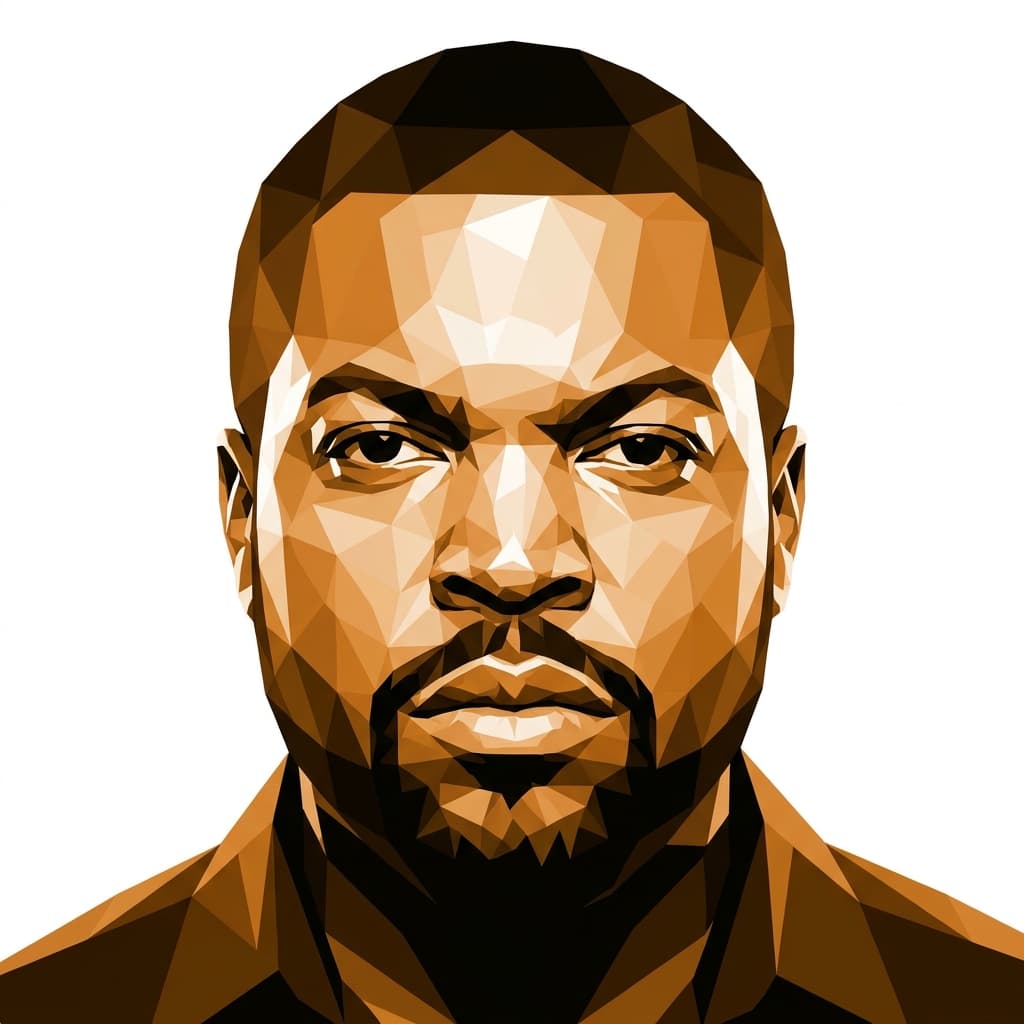
What do you and Ice Cube have in common?
Enter your birth details to find out