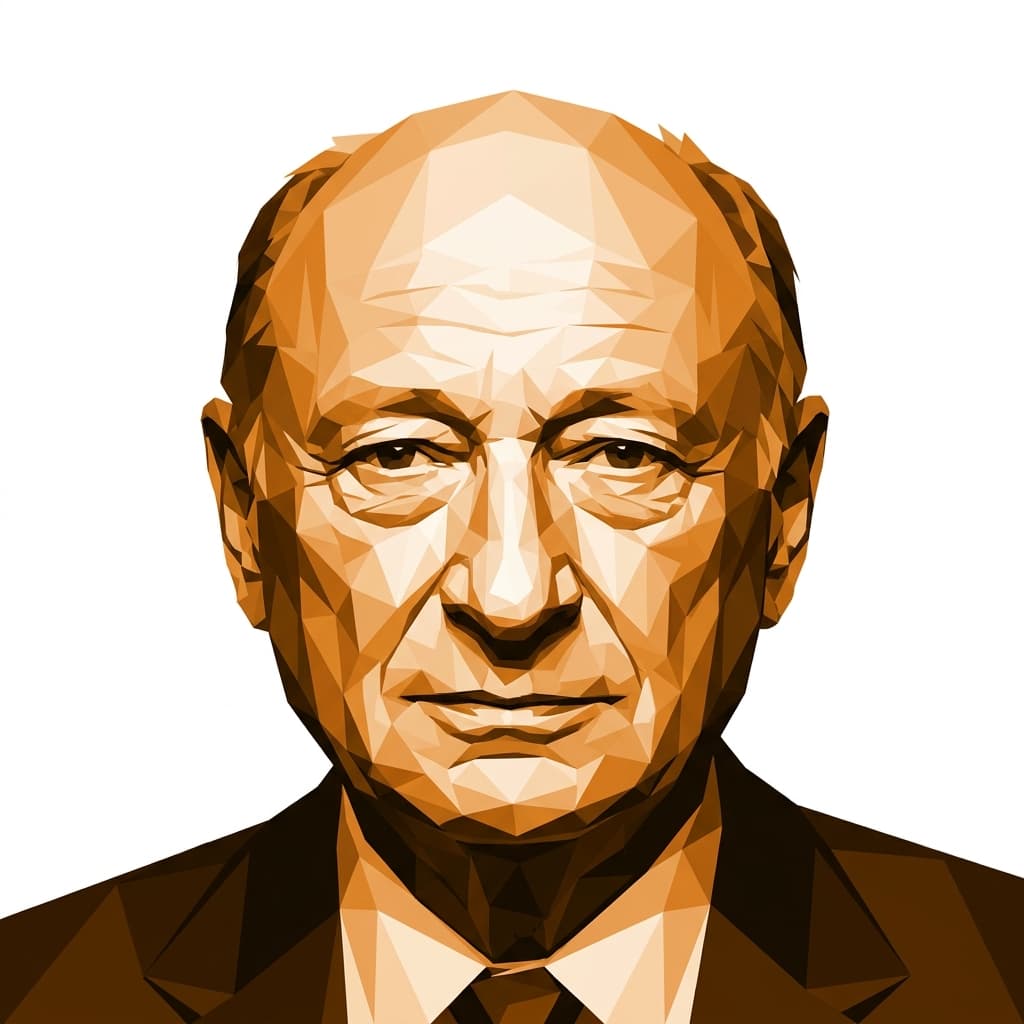
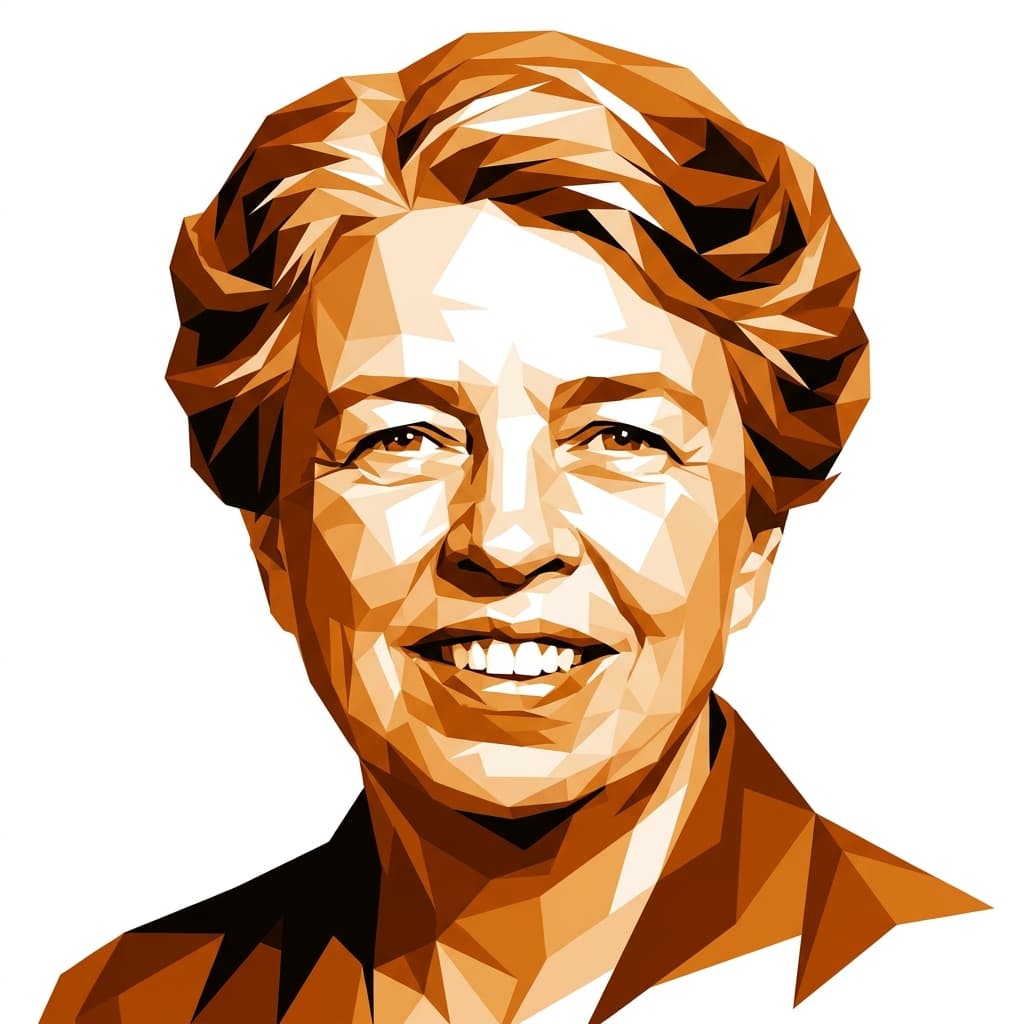
American soccer star, World Cup champion, and outspoken activist for equal pay and LGBTQ+ rights.
Design
- Q51.1
- h57.1
- R57.2
- g2.6
- i1.6
- S21.3
- T21.4
- U2.3
- V19.5
- W14.4
- X26.1
- Y10.6
- Z28.2
Personality
- Q39.5
- h38.5
- R30.2
- g2.4
- i1.4
- S33.2
- T8.6
- U53.3
- V13.3
- W43.4
- X5.4
- Y10.4
- Z50.6
Megan Rapinoe is a Manifesting Generator — a soccer player who was never just a soccer player, juggling activism, commentary, fashion, and union organizing without ever picking a lane. The arc of her career, from a small Northern California town to two World Cup titles and a Presidential Medal of Freedom, looks less like a straight line and more like a series of fast, decisive pivots toward whatever lit her up next.
Growing up in Redding with her twin sister Rachael, Rapinoe found soccer early and chased it hard. Her game has always been built on the kind of instant gut clarity that doesn't need to be talked through — a defender steps wrong, a teammate makes a run, and she's already played the ball before the thought finishes forming. The famous 2019 Olympic-qualifier-era cross to Abby Wambach against Canada in 2012, threaded under pressure with seconds left, is exactly that: waiting for the exact moment something opened up and then striking.
Off the field she operates as a practical problem solver who built deep expertise first, then stepped out to lead. In 2016, she took a knee during the national anthem in solidarity with Colin Kaepernick — the first prominent white athlete to do so — and absorbed the backlash without softening. She co-led the U.S. women's national team's equal pay lawsuit against U.S. Soccer, a fight that dragged on for years and ended in a $24 million settlement. That whole campaign required standing up for something that genuinely mattered, even when the federation, the public, and at times her own colleagues' patience were against her.
Her public voice carries the unmistakable charge of someone who provokes the truth out of a room. The 2019 World Cup pose — arms wide, chin up, after scoring against France — became iconic precisely because it refused to be modest. So did her "I'm not going to the f***ing White House" line, delivered with a tastemaker's instinct for what deserves attention and the willingness to make herself the lightning rod. She wore the pink hair, then the lavender, then the platinum, treating her own appearance as a place to stay original rather than blend in.
Rapinoe also has a quieter register that gets less press. She's spoken often about needing time away from the game and the noise — the retreats where she processes what she's lived through before turning it into a speech, a podcast, a book. Her 2020 memoir One Life is essentially that gate at work: stories absorbed over decades, distilled into lessons about identity, love, and political courage. Her relationship with WNBA star Sue Bird, conducted in full public view with unusual ease, reads as a woman who long ago decided to love exactly who she is and let the projections fall where they may.
Since retiring from professional play in 2023, she's moved on the way Manifesting Generators tend to — fast, toward whatever new beginning is calling next, with a fighter's intuition for which battles are still worth her time. The soccer chapter is closed. The rest is wide open.
Sources: biography · birth data

What do you and Megan Rapinoe have in common?
Enter your birth details to find out