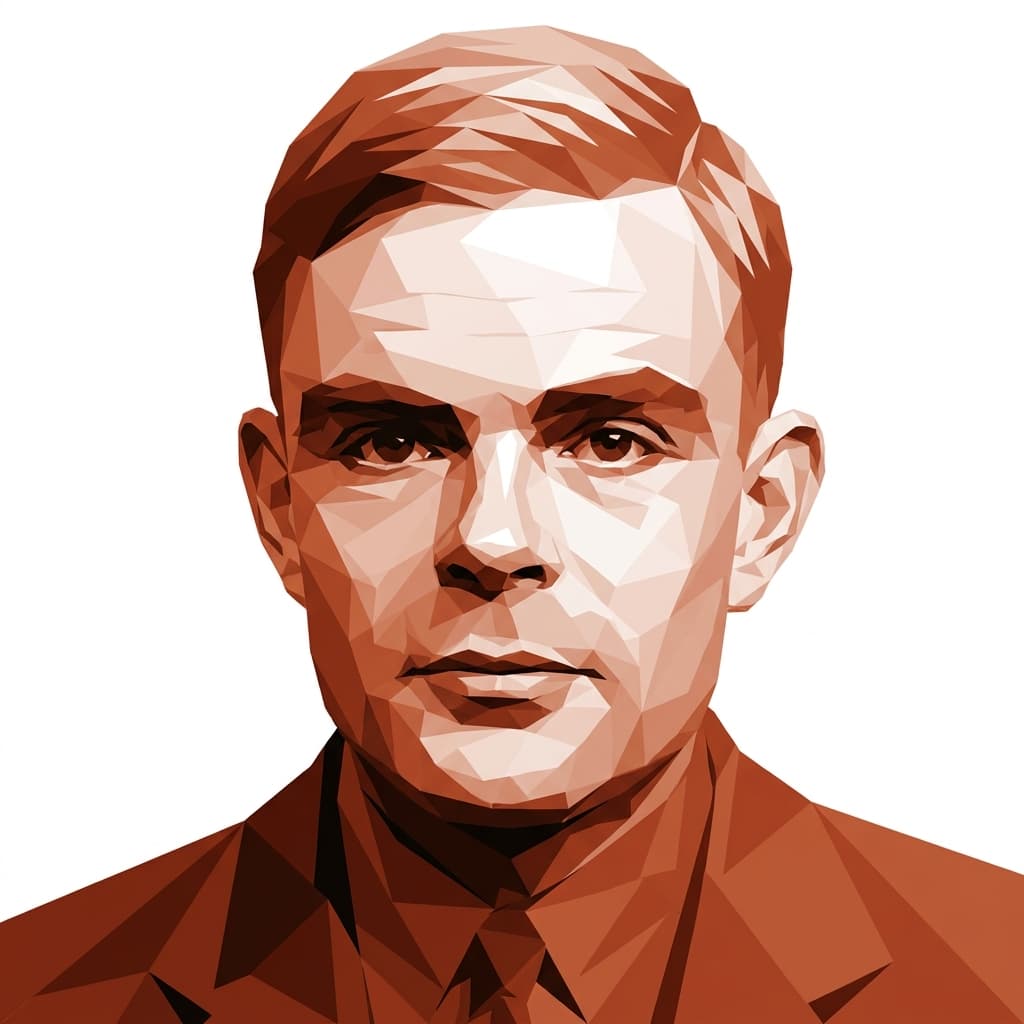
American sprinter, former 100m American record holder and three-time World Championship gold medalist.
Design
- Q2.6
- h1.6
- R9.3
- g39.6
- i38.6
- S16.5
- T17.3
- U46.3
- V28.2
- W57.2
- X34.4
- Y11.5
- Z32.5
Personality
- Q7.4
- h13.4
- R21.4
- g39.4
- i38.4
- S59.3
- T62.4
- U28.2
- V28.2
- W57.3
- X34.1
- Y11.2
- Z32.4
Tyson Gay is a Generator — built for the long, grinding, repetitive work of becoming world-class at one very specific thing. He grew up in Lexington, Kentucky, raised by a single mother alongside his sister Tiffany, who ran before he did. He followed her onto the track, and once his body figured out what it was built for, he more or less stopped looking elsewhere. Sprinting rewards the kind of person who can do the same drill ten thousand times and still find something to refine in it, and Gay turned out to be exactly that person.
At the University of Arkansas he began the slow accumulation of titles that would define his career, and by 2007 he was the fastest American alive. That year's World Championships in Osaka — where he won the 100m, the 200m, and anchored the 4x100m relay — remains one of the great individual meets by any American sprinter. His running had a particular signature: an almost unnervingly smooth drive phase, no wasted motion, the body of someone who had drilled every inch of a race until it felt like one continuous gesture. He trusted what his gut told him on the line more than any coaching cue in the moment.
Then came Usain Bolt. In September 2009 in Shanghai, Gay ran 9.69 seconds — still the American record — and lost. He would spend the rest of his prime chasing a man who had, by physics and timing, simply arrived in the same event at the same moment. He handled it with the quiet persistence of someone who keeps showing up for a fight worth having, rarely trash-talking, usually crediting Bolt, and continuing to train through hip surgery and hamstring tears that would have ended lesser careers. His 4/6 profile showed in how he carried it: warm with teammates and reporters he knew, more reserved with everyone else, and increasingly the elder statesman younger American sprinters looked to.
In 2013 he tested positive for an anabolic steroid and accepted a one-year ban, forfeiting his London 2012 relay silver. What was striking was the response — he cooperated fully with USADA, named his source, and spoke publicly in a way that was unusually plain for a doping case. He did not try to talk his way around what the facts said; he admitted he had trusted the wrong person and accepted the consequences. The reduced ban reflected that cooperation. He returned to competition and kept running, choosing where to spend his remaining energy with real care.
The hardest chapter came in 2016, when his 15-year-old daughter Trinity, herself a promising sprinter, was killed in a shooting in Lexington. Gay spoke about her with a father's unguarded grief, and the running community closed around him. He continued to compete into 2017 and then quietly stepped back, waiting for whatever would next pull him forward rather than forcing a comeback narrative. He has since worked with young athletes in Kentucky, passing on what the years actually taught him — about training, about patience, about surviving the parts no coach prepares you for.
Sources: biography · birth data
What do you and Tyson Gay have in common?
Enter your birth details to find out