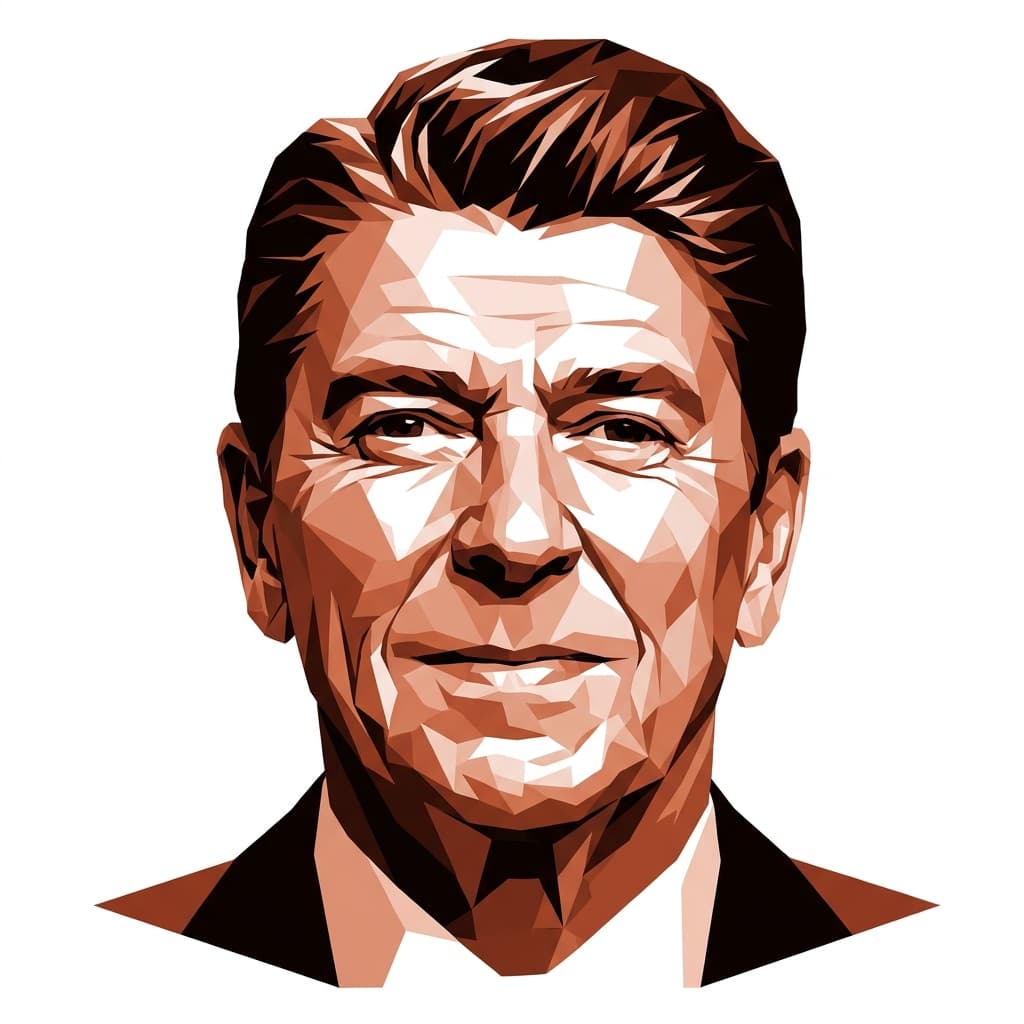
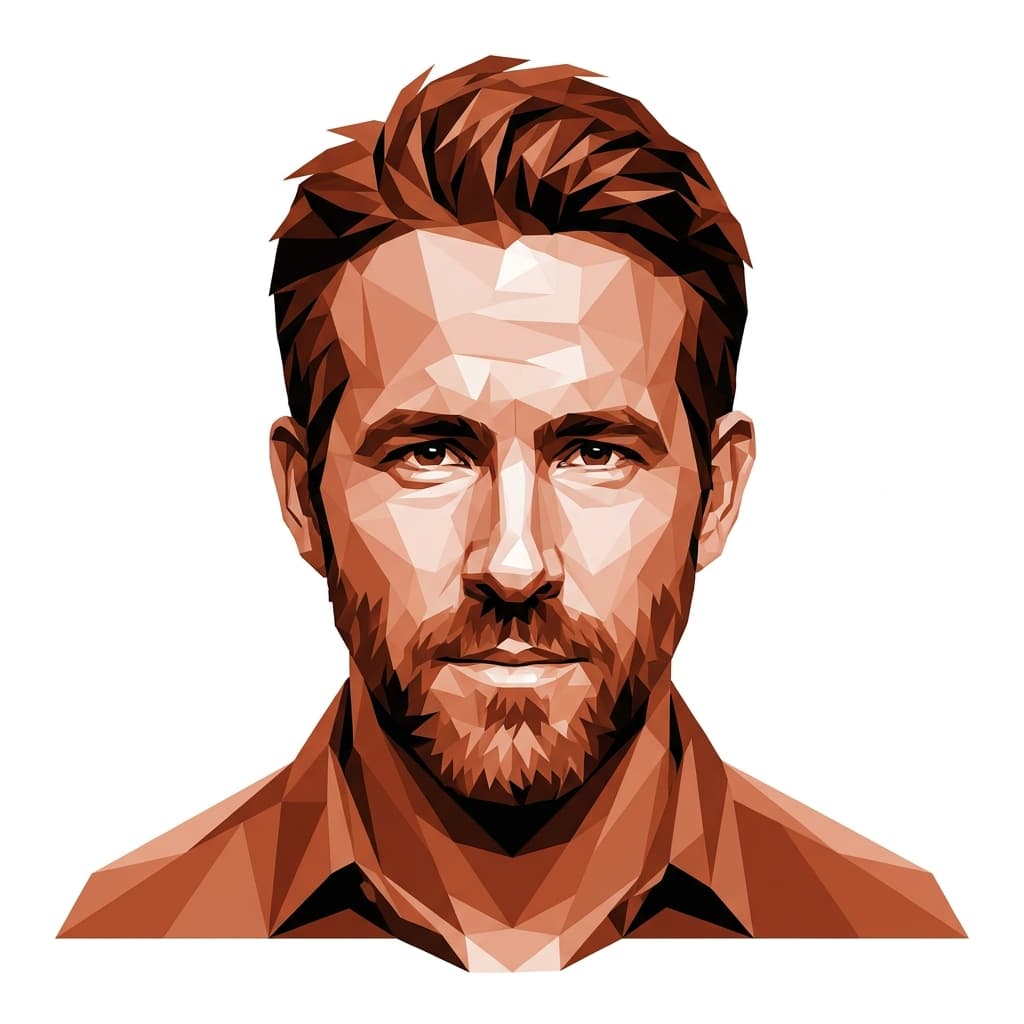
American actor known for Top Gun, The Doors, Batman Forever, Tombstone, and later spiritual seeking.
Design
- Q48.2
- h21.2
- R1.6
- g18.1
- i17.1
- S32.4
- T59.3
- U57.5
- V14.6
- W10.4
- X4.2
- Y28.5
- Z59.6
Personality
- Q58.6
- h52.6
- R41.4
- g6.6
- i36.6
- S11.2
- T14.4
- U26.4
- V26.2
- W58.6
- X4.2
- Y44.2
- Z40.1
Val Kilmer was a Generator — built for deep, sustained immersion in whatever lit him up, and constitutionally allergic to phoning anything in. From his Juilliard days (he was, at seventeen, the youngest actor admitted at the time) through Iceman, Doc Holliday, Jim Morrison, and Batman, he threw the whole engine at each role and left directors either awestruck or exhausted, sometimes both in the same week.
His 6/2 profile shows up cleanly across the arc: a wild, experimental first act (rock-star roles, tabloid marriages, on-set reputation), a long middle stretch of withdrawal into painting, one-man Mark Twain shows, and Christian Science study, and a final phase where the industry rediscovered him as an elder. He was famously private, disappearing to his New Mexico ranch for stretches, and friends often described him as someone who needed solitude to become himself again. What looked like difficulty was often just a wise guide protecting the well he drew from.
The "difficult" label came partly from his emotional authority colliding with a business that wants decisions now. Kilmer needed to feel a scene, sleep on it, rewrite it, then feel it again — and when a director pushed against that wave he could go cold or combustible. Joel Schumacher called him psychotic; John Frankenheimer swore he'd never work with him again. But Michael Mann and Oliver Stone, who gave him room, got two of the most committed performances of the 90s. His method wasn't ego so much as waiting for the gut yes before he'd commit the whole engine.
The Jim Morrison performance is the clearest window into his gifts. He learned fifty Doors songs, wore Morrison's clothes for a year, and studied footage until Doors members reportedly couldn't distinguish his vocals from Jim's. That was Gate 1's need to disappear into an original act of creation meeting Gate 14's capacity for long, obsessive, joyful work. He didn't imitate Morrison; he built him from the inside. The same pattern showed up in Tombstone, where a dying, sweating Doc Holliday became — via the risk-taker's instinct for what's worth the fight — the film's beating heart.
Off-camera he was a genuine oddball: a poet with several published collections, a painter, a Christian Scientist who initially resisted treatment for the throat cancer diagnosed in 2014, a devotee of Mark Twain who spent years touring a solo show as Twain. He kept falling in love with his own peculiar path even when Hollywood didn't know what to do with him. The 2021 documentary Val, narrated by his son Jack because Val's tracheostomy had taken his voice, showed a man who'd made peace with the messy, beautiful arc of his own experimentation.
His return in Top Gun: Maverick — barely able to speak, saying goodbye to Maverick with an AI-reconstructed voice — was received as exactly what it was: a role model letting himself be fully seen at the end of the road. He died in April 2025. The obituaries that had once called him difficult mostly used the word singular.
Sources: biography · birth data

What do you and Val Kilmer have in common?
Enter your birth details to find out